Here Come the Judds

Doctors gave James Milton Judd six months to live, and what did he do? The 24-year-old Kentuckian moved to Kansas. After a few months in Wellington, he moved to Belle Plaine where he managed a flour mill. Judd had already outlived doctors’ expectations when he and L.B. Richardson headed to Stevens County in December 1885 to settle on some claims. Their plans were interrupted by a heavy snowstorm. The train was held up at Lakin, but there were no sleeping rooms available for the two men. When the duo inquired at the Commercial Hotel, the landlady had nothing to offer them but the floor of the hotel office to sleep on. A full-blown blizzard ensued, and the men’s finances were in dire shape by the time the snowstorm was over. They decided they had to embark on some kind of business. With a loan from some friends back east, the men negotiated the purchase of the smallest business house in Lakin and opened a confectionary. Eventually the two made enough money to repay their loans, and Richardson returned back east dissolving their business in 1889. Judd continued in the confectionary business on south Main and offered ice cream, groceries, school books, stationery, cigars, ice and more until 1906. Then his new store building went up at 111 N. Main where he sold shoes, clothing, hats, gloves, magazines and more.

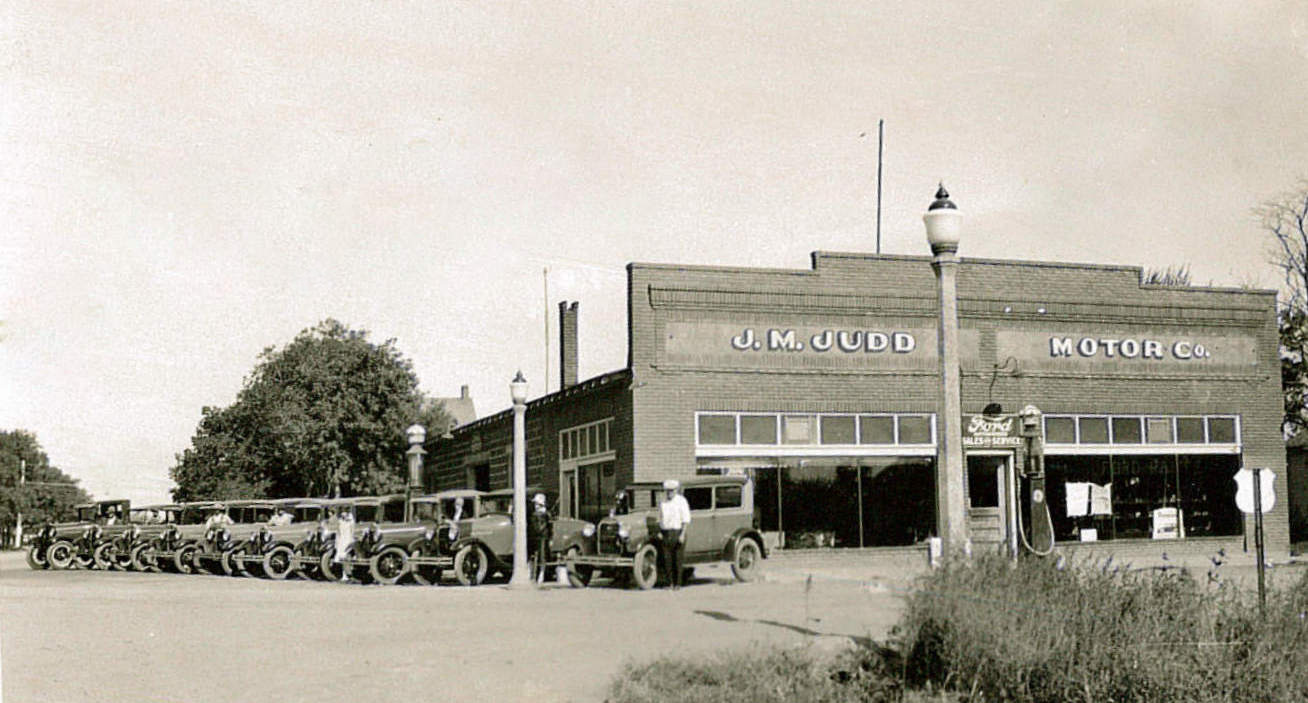
Judd was one of the busiest men in Lakin from the time he arrived here. He managed the Postal Telegraph and Cable Company from 1890 to 1913, was elected probate judge in 1896, and then was elected county treasurer in 1899. Because he was an expert accountant, Judd was offered the cashier position at the Lakin State Bank in 1908, a title he held for over 31 years. In 1915, he closed his shoe store, and that same year he went into business selling automobiles and farm equipment. J. M. Judd Motor Company, located on the corner of Buffalo and Waterman, was also known as the Ford Garage and was the predecessor to Lakin Motor Company. Judd also served as the mayor of Lakin, was on the Lakin City Council and school board, and was very active in many organizations. He was the Sunday school superintendent at the Lakin Presbyterian Church, and in 1937, he was elected president of Group Nine of the Kansas Bankers Association. The Nov. 11, 1937 Kearny County Advocate praised Judd, “All recognize in him the true gentleman … he looks the part in his tall, distinguished bearing and he acts it in his quiet, almost shy, kindness and respect for others.”

Judd married Isabella Craver in 1892. Born in West Virginia, “Belle” moved to Garden City in 1886 then to Lakin in 1888. She was a charter member of the Presbyterian Church in Garden but later transferred her membership to the Lakin church. Isabella always had a deep interest and took an active part in church work and the missionary society. She was also involved with the Woman’s Christian Temperance Union, Eastern Star and Royal Neighbors. She passed in 1927.

J.M. and Isabella had two children. Son Clarence was born in 1895 but died at the age of one year and 25 days. Although born healthy, the boy became severely ill when he was cutting teeth which led to deadly complications.

Soon after little Clarence’s death, Isabella became pregnant with a daughter. Edythe Lillian Judd was born in 1897 and graduated with Lakin’s Class of 1915. She attended business college in Colorado Springs and was married there in 1927 to Ralph Stees. Stees, a veteran of World War I, had been employed by Fred Harvey of Harvey House fame both before and after the war. Ralph and Edythe made their home in Lakin, both gaining employment with the Lakin State Bank. When her father passed away, Edythe acquired J.M. Judd Motor Co. and ran the business until 1947. Like her parents, Edythe was a member of the Lakin Presbyterian Church and was also involved with Eastern Star, PEO, and the Mus-Art Club. Ralph sold real estate, served as Lakin’s mayor from 1931 until 1935, was on City Council from 1937 until 1943, and belonged to the Masonic Lodge and Order of Eastern Star. He passed in 1970 and Edythe in 1973. They had no children.

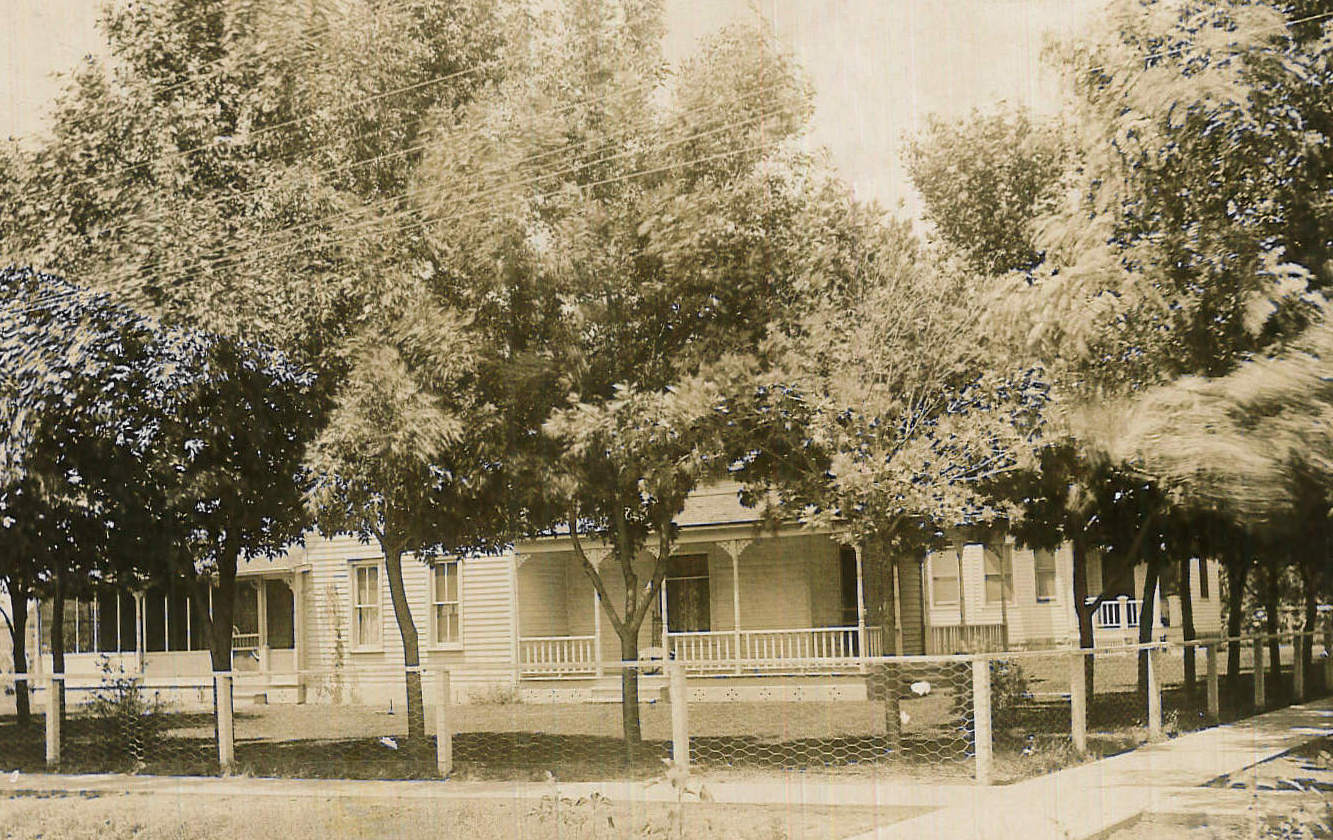
Living in Kansas must have been written in the stars for James Judd as he was born on the same day that Kansas was admitted to the Union, January 29, 1861. He lived to be 78 years old, 54 years more than doctors predicted. His and Isabella’s family home still stands on the northwest corner of Buffalo and Lincoln Streets and was once described as one of the finest residences and nicest kept within the city. According to the April 9, 1908 Advocate, J.M. Judd was the first in Lakin to install a cement sidewalk in front of his residence. Although very poor when he landed in Lakin, Judd’s work ethic and business sense led him to become one of the most prominent citizens and businessmen in town.
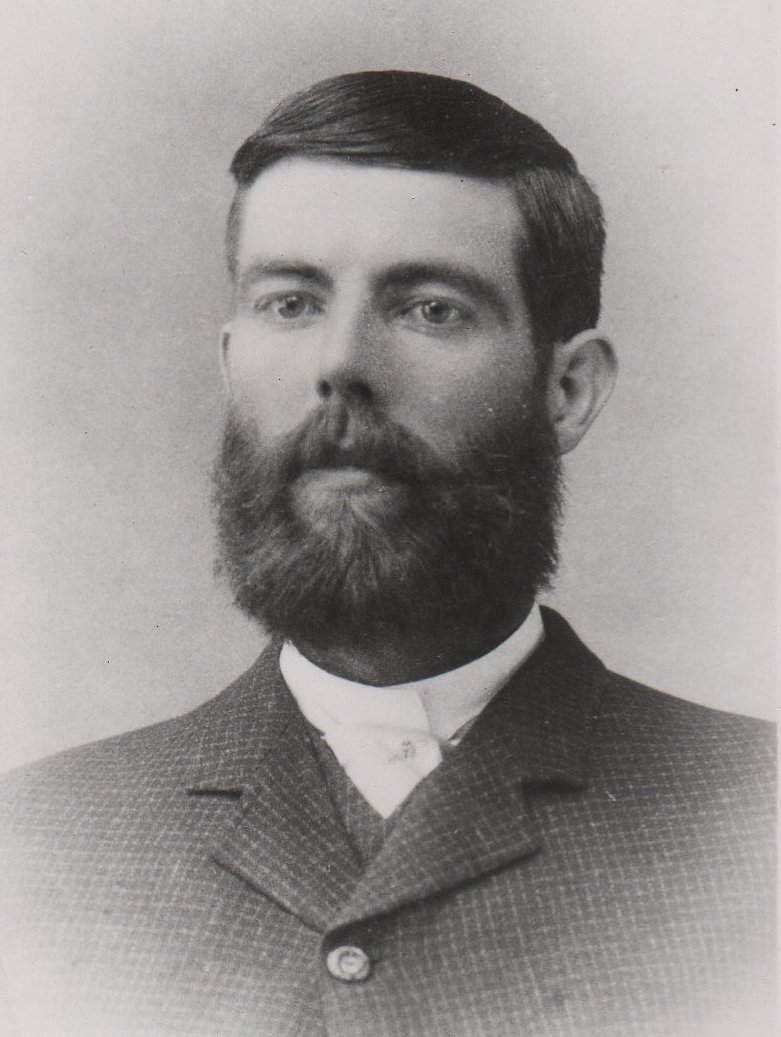
James Milton Judd, highly esteemed citizen and prominent businessman in early day Lakin.
The Judd Family home on the corner of Buffalo and Lincoln was considered one of the prettiest residences in Lakin.
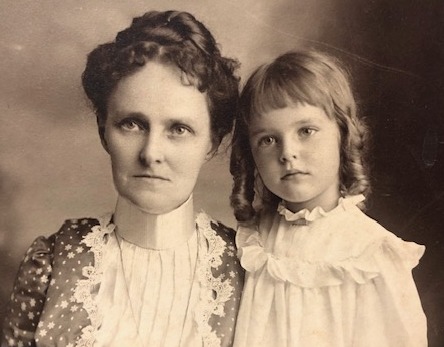
Isabella Judd and daughter, Edythe.
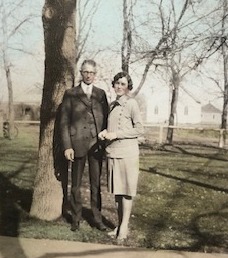
Ralph and Edythe Judd Stees stand on the south lawn outside the Judd home, The former Catholic Church is in the background of the picture.
J.M. Judd began selling automobiles in 1915. With 10,000 motor cars sold in Kansas from July 1 to Dec. 11, 1914, his timing was perfect. When Judd died in 1939, his daughter, Edythe, acquired the business. She sold it in 1947 to Elton Beymer, Chiles Campbell and Wilfrid Logan, and the name was changed to Lakin Motor Company.


SOURCES: Diggin’ Up Bones by Betty Barnes; archives of The Advocate and Lakin Independent; History of Kearny County Vol. 1, and Museum archives.
History of fall homecoming at Lakin High School

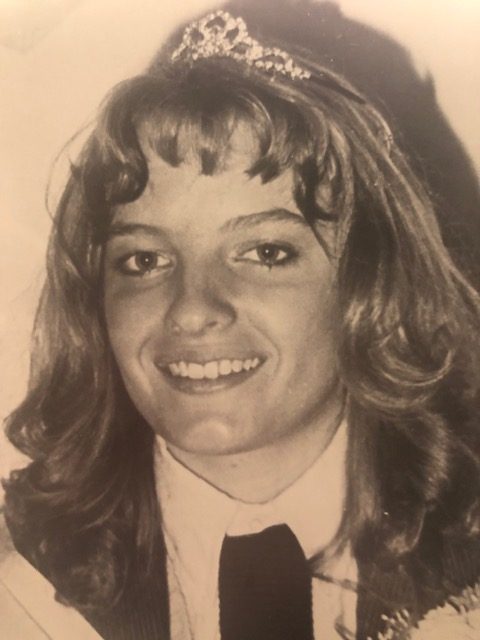
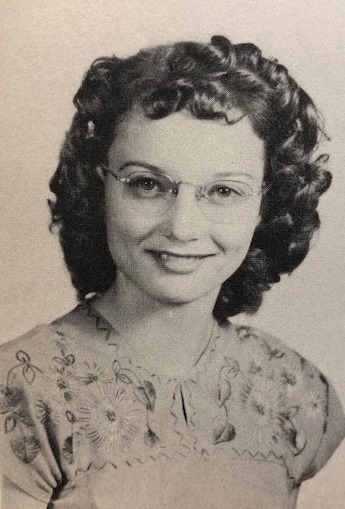
Tomorrow evening a tradition that began 75 years ago will continue when Lakin High School crowns a queen at the homecoming football game. The first coronation took place in November 1948 when senior Arlene Williams received her crown from Ed Wright, the captain of Lakin’s football team. The coronation took place during half-time, and the band, pep club and a royal car formed the procession. Other contestants vying for the title included Barbara Davis, junior; Helen Cochell, sophomore; and Myrna Robrahn, freshman. The girls were selected at an assembly earlier in the week and were voted on throughout the week. Each vote cost one penny, and according to the Nov. 12, 1948 Lakin Independent, ““stuffing the ballot box” was quite in order.”
Just like the game of football, homecoming has changed over the years. In 1949, business managers were also chosen by each class to aid in the election campaigns. That  year, sophomore Sylvia Oakley received the title, and her business manager was her future husband, Eugene Rieger. Beginning in 1954, only senior girls could be elected queen. That year the senior class nominated four girls, and the entire school voted on them. The young lady with the most votes was crowned queen, and the runner-up became part of the homecoming court as senior attendant. The other classes still selected a girl to represent their class as an attendant on the homecoming court. Only two senior girls were selected as candidates the following year, a practice that continued until the 1982-1983 school year when seniors began nominating three queen candidates.
In 1992, no football homecoming queen was crowned although candidates and attendants had been chosen. Lakin High School sponsored a public bonfire the night before the football game. A snake dance ensued which, according to school officials, was not a school-sponsored activity. Things got out of hand that evening. According to the Sheriff’s report, there were several reports of fireworks being thrown from vehicles as well as property damage. A fire hydrant was turned on, a trash dumpster was moved out into the street, and a mattress was pulled onto Main Street with the intention of setting it on fire. As a disciplinary action, administration cancelled Friday’s homecoming festivities and all weekend sporting activities. The following year, homecoming began being referred to as Fall Homecoming rather than football homecoming.
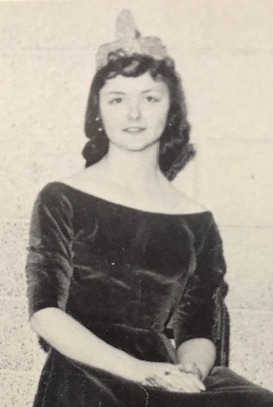
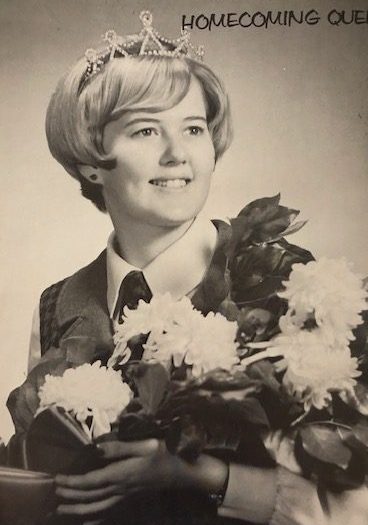
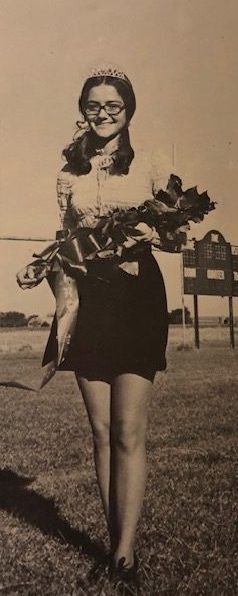
From 1948 to 1998, the following were all honored as football/fall homecoming queens at Lakin High School: Arlene Williams, Sylvia Oakley, Helen Cochell, Deloris Hubbard, Mary Hoss, Christine Houghtaling, Kay Craig, Lois McCue, Glenda Hubbard, Leta McCue, Dixie Stallard, Vivian Oakley, Arlene Glaspy, Pat Schulz, Sherril Fletcher, Carol Cadenhead, Sheryl Bostrom, Patsy Weldon, Vivian Fletcher, Linda Waechter, Meredith Hoppas, Cherri Gunter, Margaret Williams, Karen Jenks, Robin Henderson, Sonya Moore, Jane Shaw, Kimberly Hagemann, Tammie Cole, Rhonda Edgington, Karla Smith, Valerie Williams, Janet Waechter, Gillian White, Nora Tallant, Sheri Stockton, Mary Woodrow, Wendy Hayzlett, Nicki Estes, Katie Fletcher, Carrie Young, Dana Lutz, Steph Wilken, Summer Vann, Cammi Eveleigh, Jenny Wright, Charity Kennedy, Alisha Ansel, Molly Bachman, and Jennifer Hall.
The tradition of electing a homecoming king began in the fall of 1999. The first homecoming king was Justin Howard, and the queen was Amanda Ansel. Other kings and queens since that time have been: Nick Hamblen and Lacey Allaman; Bo Richardson and Megan Jennings; Adres De la Vega and Ashley Rexroat; Pancho Magallanes and Michelle Ridgeway; Keena Crone and Amanda Williams; T.J. Meyer and Justine Sullivan; Billy Rooney and Caitlin Olson; Reed McAtee and Callie Berlier; Zac Anthony and Tiana Perea; Jonathan Walls and Tayler Frederiksen; Dalton Davis and Keyton McAtee; Shane Davidson and Mariah Hill; Kevin Dasenbrock and Shirea Woodrow; Brent Rooney and Kara Simmons; Pancho Klassen and Jhoryn Hernandez; Ben Athony and Kelsey Jury; Michael Aller and Kayla Calkins; Hunter Kirby and Alyse Pollart; Juan Banuelos and Jypsey Tammerine; William Gilleland and Meagan Ritsema; Tanner Hattabaugh and Tiana Gonzalez; Omar Gonzalez and Isabell Ortiz; and Dravin Chavira and Sara Wright.
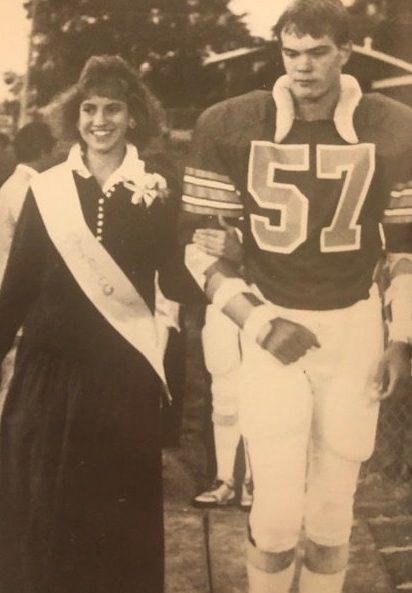
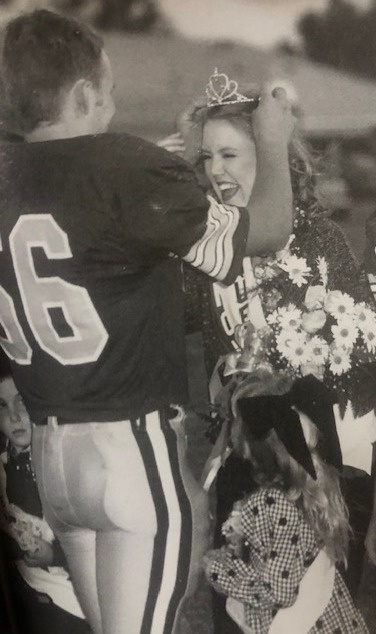
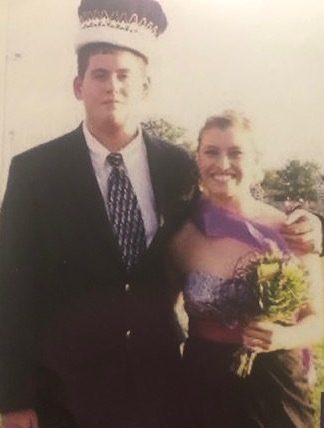
For nostalgia’s sake, here are a few pictures from LHS’s past royalty and homecomings. There are more on our Facebook page, www.facebook.com/kearnycountymuseum.
Arlene Williams, Lakin’s first football homecoming queen, 1948.
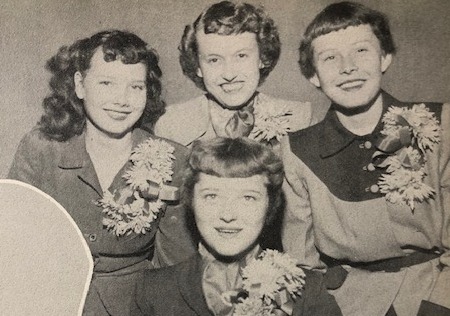
1950 Queen Helen Cochell, Senior, is front and center. Behind her L-R are candidates: Ruth Moore, Freshman; Delores Goderis, Junior; June Anderson, Sophomore.
1952 Football Homecoming Queen Mary Hoss.
1958 Homecoming Queen Dixie Stallard.
Vivian Fletcher, 1966’s queen.
1968 Football Homecoming Queen Meredith Hoppas.
1971 Football Homecoming Queen Karen Jenks.
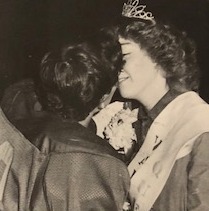
1979 Queen Valerie Williams receives the royal kiss from Troy Hammons.
Mary Woodrow, 1984’s queen.
Chance Williams escorts the 1987 Queen, Katie Fletcher.
Molly Bachman receives her crown in 1997 from Justin Mings.
2009 Fall Homecoming Royalty, Jonathan Walls and Tayler Frederiksen.
2018 Fall Homecoming Queen and King Jypsey Tammerine and Juan Banuelos.
SOURCES: Lakin Independent archives and Lakin High School annuals from 1949 through 2021

More sides to former educator than her students knew

Many of Cora Holt’s former students remember her as a toe-the-line teacher, but there was more to the educator than meets the eye. Born Cora Edelene Rarden, she was a descendant of two of the earliest families in Kearny County.  Her maternal great-grandfather, Joseph Dillon, was the editor of The Lakin Herald, and her grandmother, Maria Dillon Browne, earned a reputation as one of the best compositors in the state while typesetting for the paper. The Dillon family moved to Kearny County in 1879. Cora’s maternal grandfather, D. H. Browne, came to Lakin in 1880 and served many years as county clerk including during the time of the county seat wars.

D. H. and Maria Browne’s daughter Helen married James Harry Rardon in 1907. Known affectionately as Doc, Rardon had arrived in Lakin a year earlier to set up a dental office, and in 1909, he received his pharmacy certificate from the State of Kansas and purchased the drugstore here from Dr. G.C. Richards. Doc and Helen had three children: a son who died in infancy in 1908, daughter Jean born in 1909, and Cora, the baby of the family who was given the name of her paternal grandmother. News of Cora’s birth came via the Sept. 19, 1913 Advocate, “A little daughter arrived at the home of Dr. and Mrs. Rardon, Friday last, and the doctor is “wearing a smile that won’t come off.”

Doc Rardon was well-educated, well-rounded, and well-liked. He had a prowess for writing poetry, particularly love poems for his wife who he referred to as his Little Browne Hen. The wittiness and sweetness in his poetry leads one to assume that Cora grew up in a very loving and affectionate family. He sold the drugstore in 1910 and then ran drugstores elsewhere in Kansas and Missouri and was also a traveling salesman for pharmaceuticals. By 1920, the family was back living on their ranch west of Lakin while Doc continued with his salesman position.

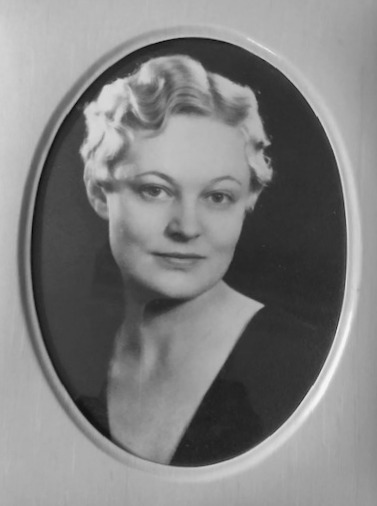
L-R: Helen Browne Rardon, Jean Rardon, J. H. Rardon and Cora Rardon

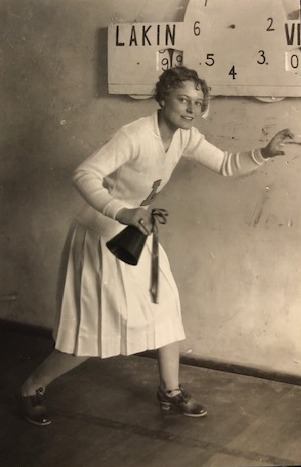
Meanwhile, Cora grew to be both beautiful and bright. As a student at Lakin High School, she served three years on Student Council, was in charge of art in the 1931 Prairie Breeze annual, played violin in the orchestra, and participated in debate, drama, vocal, basketball and tennis.  Cora was treasurer of the Girl Reserves, the predecessor to Y-Teens, and during her senior year, she was the lone female of five cheerleaders in the Kakaphony Club, the high school’s official pep club.

While Cora was very much a traditionalist, she was also a trailblazer. At a time when most women entered the teaching profession, she instead attended Kansas University where she earned her pharmacology degree in 1935. Cora returned to Lakin and began working as a registered pharmacist in Roy Menn’s drugstore, the same drugstore that her father had previously owned in the building that houses Duncan’s Lockers. The Rardons purchased Menn’s in June of 1936, and in 1939, they bought the building at 111 N. Main (now Shorty’s II) and moved their stock there.  After Doc Rardon’s death in 1942, Cora and her mother continued to operate the pharmacy until March 1945 when they sold the business to Floyd Barnes of Ulysses.
On a Sunday afternoon in January 1945, Cora donned her mother’s wedding dress and married Edwin Holt, a well-liked prominent rancher. She gained two step-sons in the process, and in 1946, gave birth to her and Ed’s only child together, a son they named Jewell Harry after their fathers.

Catastrophe struck the young family on September 16, 1953 when Ed went to the Tate Ranch 10 miles southwest of Lakin to check cattle. When he did not return at the usual time, Cora became worried. Her neighbors, John and Elene Henderson, drove her to the ranch where they found Edwin’s body in the concrete stock tank. He had started climbing a 40-foot windmill tower to make repairs, and part of the wooden platform gave way. Ed fell backward, and according to the Hamilton County coroner, was apparently killed instantly when he struck the bottom of the tank.

Cora became a single parent and bread winner for her and her small son. She took a teaching job at Holcomb then taught at Deerfield Grade School for two years. She began her teaching career at Lakin in the fall of 1962 and taught until the end of the 1974-1975 school year. Cora served as president of the Parent-Teacher Association, was on the Kearny County Library’s board of directors when the library was built in the 1970s, taught first aid, and helped with Cub Scouts and the Red Cross. A member of the Order of the Eastern Star, Delta Kappa Gamma and the United Presbyterian Church, she also contributed stories to Vol. II of the History of Kearny County.

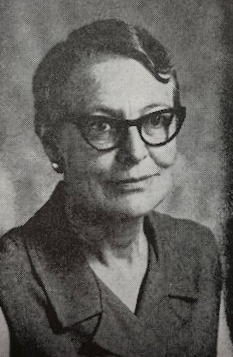
Cora Edelene Rardon Holt passed away in September of 1980, seven days shy of her 67th birthday. Her life was an example of perseverance and selflessness. While her students only knew Cora in her later years, the accompanying pictures reveal a very vibrant and attractive young woman who was nicknamed “Codie” by her classmates and admired for her “peppy” disposition.

SOURCES: 1931 Prairie Breeze; 1972-1973 Lakin Grade School annual; History of Kearny County Vols. I & II; Diggin’ Up Bones by Betty Barnes; archives of The Advocate, Lakin Independent, Chase Register, Kinsley Mercury and Lyons Republican; Museum archives; and photographs and archives received from the Jewell Holt Estate.

Lakin Grade School a fixture of the community since 1949

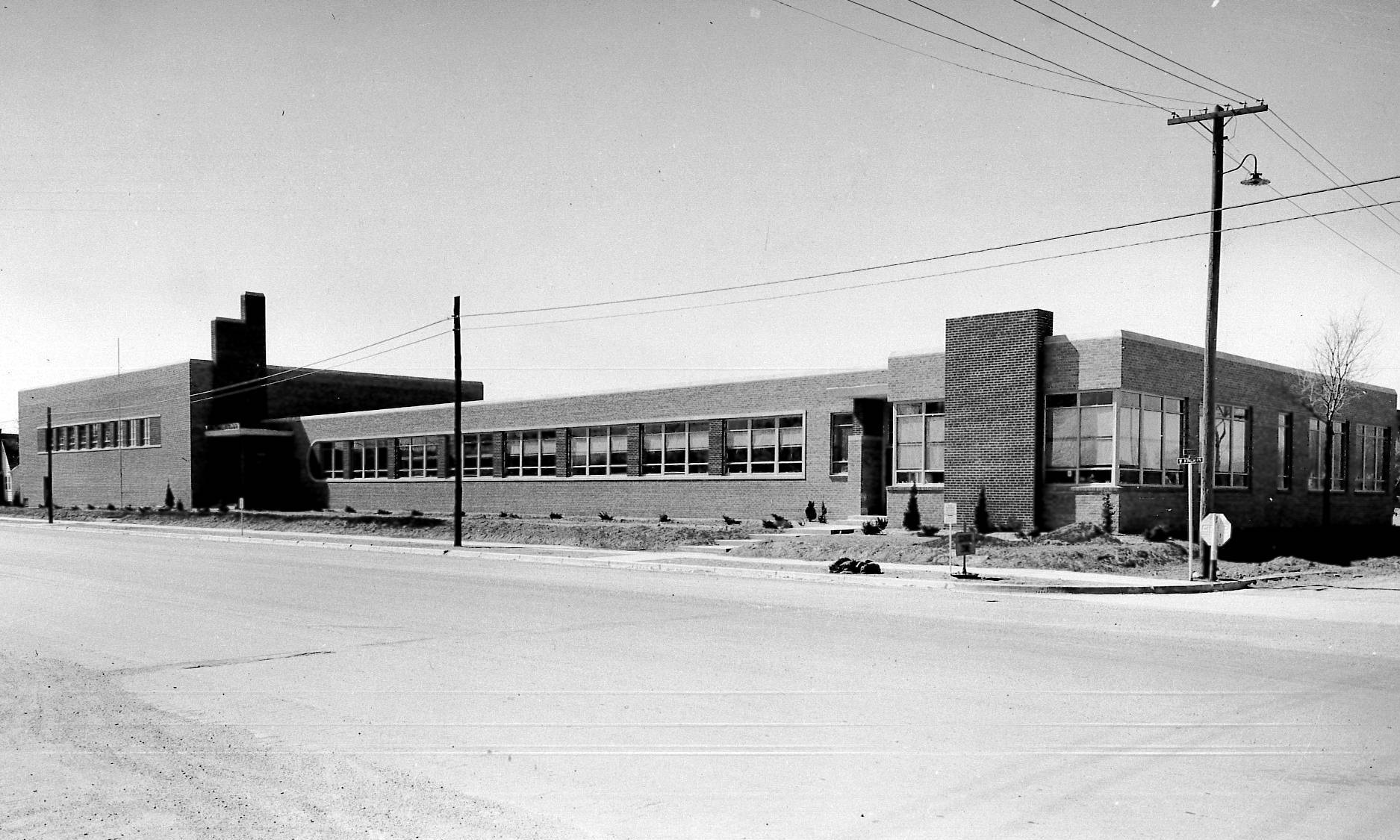
With an average enrollment of 300 students in the primary through eighth grades and a steadily increasing population, Lakin’s 1920-1921 school building had become crowded and inadequate by the spring of 1948.  Voters passed a bond election that May by a vote of 154-35 to build a new grade school. The $200,000 that had been approved was insufficient to build the structure as was first planned so voters went back to the polls in the fall and approved an additional $25,000 for the project.

Work began almost immediately, but the school was still not finished at the start of the 1949-1950 school year. Some classes had to meet in the gymnasium of the 1920-1921 building until the new grade school was ready to be occupied. Meanwhile, enrollment continued to climb. The September 9, 1949 Independent reported that enrollment hit a new high of 360 pupils at the start of that school year, a 25% increase. In the following week’s edition, enrollment had gone up to 385 in the grade school. In that issue also came the news that kindergarten classes were slated to begin October 3 in the new building. Grade School Principal James Finley announced that the building would also be ready at that time to house the first grade, and that other classes would be moved in as quickly as the building was finished. Material shortages had held up completion of the building, but the contractors were going ahead as quickly as possible.

All grades up to and including fifth had moved into the new grade school by mid-November. The 287×70 foot modern plant had nine classrooms, a gymnasium, school offices, wardrobes and restrooms, and the kindergarten room was designed with a large fireplace. A 34’ stage was at one end of the gymnasium and 80’ of rollaway type bleachers were installed on each side of the gym floor which has been the center of many of the school’s programs and athletic events over the years. The November 18, 1949 Independent also reported that work was progressing on the playgrounds which were to include a softball diamond, small football field, marble area, two outdoor basketball courts, four horseshoe pits and playground equipment. A joint dedication ceremony for the new building and the Veterans Memorial Building was held May 8 with an all-day program featuring bands, a parade, free barbecue, speakers and a dance.

Voters went back to the polls in the spring of 1963 and passed a bond issue in the amount of $439,000 to finance an addition to the building. The building addition consisted of ten classrooms, rest rooms, boys and girls shower rooms, boiler room, kitchen, a multi-purpose room that served as both cafeteria and physical education/practice gym, a health room, teacher’s work room, secretary’s office, principal’s office, conference room, laundry room and storage room with remodeling to the existing building as well. The total project cost was $482,425.62, but monies in a special building fund were also used to towards the addition. The design and plan of the building reflected modern functional school standards, all integrated within a single-story unit with classrooms for grades kindergarten through 6, other facilities for grades 7 and 8, and a cafeteria to accommodate grades 1 through 12. An intercom system was incorporated to give the office contact with each class. An open house for the completed facilities was held November 15, 1964.

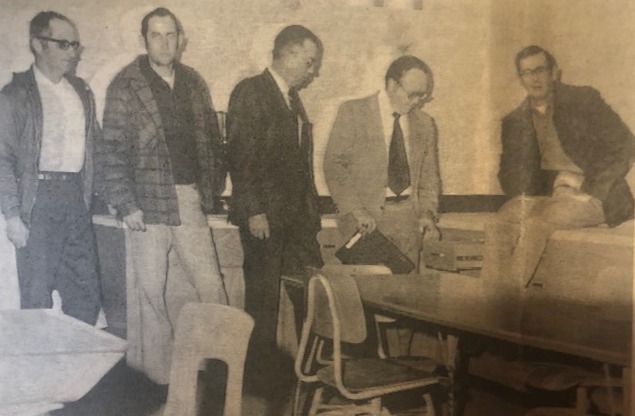
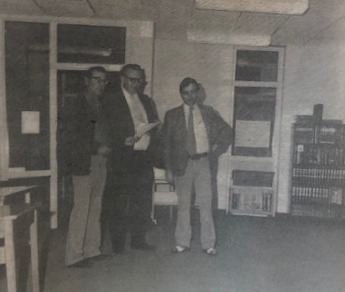
USD 215 board member Jack Campbell, LHS principal Daryl Olson, and LGS principal Lester Mouse look over the new library facilities after the 1972 addition.
USD 215 board members and architect H.D. Woods, Jr. complete the final inspection following the 1972 addition.              

The need for yet another addition to the grade school was realized in the spring of 1971 after the ceiling fell in the 1920-1921 school which subsequently led to the structure being razed.  While the addition was being constructed, kindergarten classes were held in the Girl Scout house, and provisions for other classes were made by placing some of the special areas in the gym, etc. Completed in November of ’72, the addition provided six classrooms for seventh and eighth grades, an art room, and library that was built in part of the open court area of the older part of the building. The kindergarten rooms and special education areas in the existing building were also remodeled with special education, speech therapy and counseling located in the north wing. First through third grades, fourth grade, fifth and sixth grades, as well as the seventh and eighth grades had their own wings with separate corridors for each section. With the new addition, the grade school became one of the finest in the area. Speed in the project was possible because there was enough money for the project in the district’s special building fund which eliminated the need for a bond election.


The seventh and eighth grades were moved out of the grade school when the building now known as the Academic Building was completed in 1986, and fifth and sixth graders were relocated to the current middle school at the start of the 2000-2001 school term. Since then, Lakin Grade School has served students in preschool and grades K through fourth.

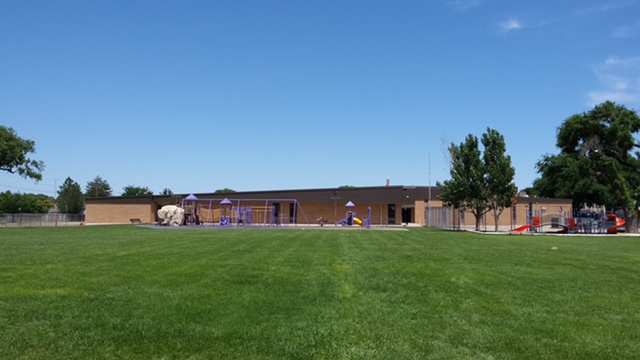
In 2016, a new roof was put on Lakin Grade School, and the kitchen was remodeled. The purple and gold playground equipment seen here was erected in 2006 and was replaced this year with new, safer equipment for Lakin’s youngest students.

SOURCES: Lakin Independent archives; Museum archives; and information provided by the late Vernon Dietz, former superintendent of schools.