
Author: Museum Staff
Dear friends,
Several notable museums across the United States have closed permanently or faced major funding-related closures since 2024 due to severe financial pressures, budget crises, and rising operational costs. Just recently the announcement came that the Sternberg Museum at Hays will be closing at the end of the year unless supporters are able to raise enough money to keep the doors open. This is a fate that the Kearny County Historical Society is working hard to avoid, but just last year I warned of possible budget cuts. Now, I must announce that our fears have come true. The KCHS will not be receiving an appropriation from the county for the 2027 fiscal year. This means the museum will be operating solely on our reserve funds, donations, and (maybe with a little luck) some grant money. We can cover our costs for 2027; however, beyond that is uncertain. We are not the only county entity facing a budget cut, and when asked what will happen to the museum if all our reserves are spent, we were told by commissioners that they would like to see the museum remain open but can make no promises in regards to funding.
As we try to navigate this new reality, the historical society is looking for ways to cut costs and raise money. While it is too soon to know exactly what steps we will take, we do know that some services may no longer be free including our Annual Meeting and Dinner.
We will also be having fundraisers. On Tuesday, October 20th, Night at the Museum returns for the fourth time, and we are making it even bigger and better this year! This event will be a family-friendly fundraiser for the Museum, and it is being made possible through these partners: Lakin Recreation Commission, Kearny County Sheriff’s Dept., Golden Plains Credit Union, Kearny County Bank, Lakin Fire Dept., LHS Forensics team, Roots & Branches Genealogy, Lakin Community Empowerment Group, Bloom and Brush, and community volunteers and donors. We are so grateful for their willingness to help us out! We are, however, still looking for someone who would be willing to let us borrow five or six small hay bales to use as outdoor seating/décor. Preferably, the donor would be willing to drop them off the day of the event and pick them up the next day.
Check out the ad on this website and mark your calendar! Even if you can’t participate in this fundraiser, we do want you to know that we sincerely appreciate all the support we have received. I assure you that the Kearny County Historical Society’s main focus is to keep the Kearny County Museum open for future generations and continue caring for the artifacts that have been entrusted to us.
Sincerely,
Julie Grubbs McCombs, Director
Kearny County Museum
Slinging mud
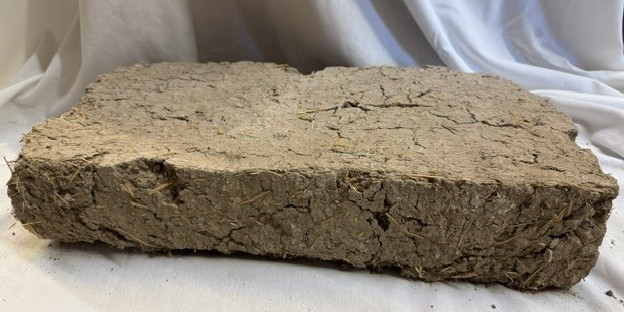
One of the oldest building techniques known to man is adobe construction where raw materials like soil, water, clay, and small rocks are molded into blocks. Finely chopped-up straw or other fiber such as pine needles or cow dung is added to these raw earth materials which helps the adobe dry more uniformly and prevents blocks from curling or cracking. Then the blocks are stacked to build a structure in much the same way as bricks are.
Adobe was one of the construction techniques used by pioneers on the plains of Kansas where timber was hard to come by. Over the years, the rudimentary technique was improved upon, and by the time that Harry Armstrong was building homes of adobe blocks, the finished products were far more stylish than the mud huts that originally dotted the Kansas prairie.
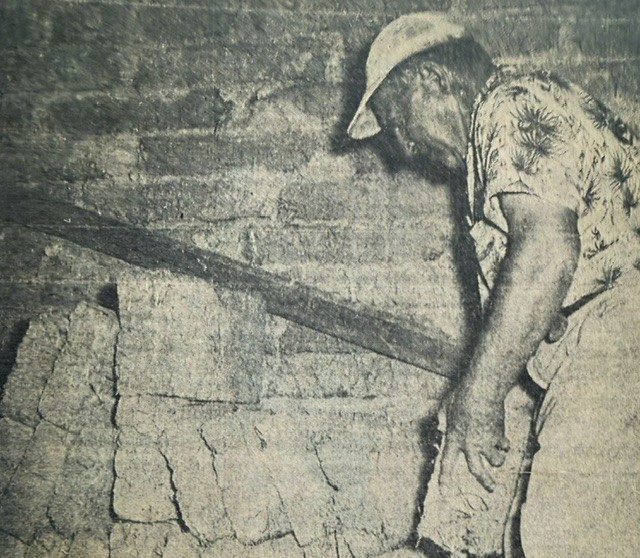
In 1934, Armstrong began work on a well-known Highway 50 roadhouse in Lakin. The Tumbleweed was constructed with 4-inch thick, 10×14 inch adobe bricks that were first stirred together in a mixing machine. The conglomeration of mud and straw was placed into molds on the ground and required roughly six weeks to dry.
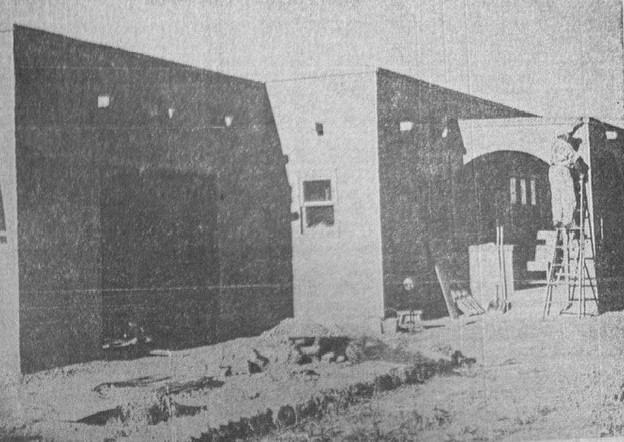
Armstrong started his first adobe house in 1937 and by 1955, he was hard at work on his third adobe home, a five-room structure with a garage and attached carport. The house had a touch of New Mexico and Texas in it as well as a hint of Navajo. Dubbed “Spanish Ranch” by Harry, the house required approximately 3,000 adobe bricks, all mixed and molded by Armstrong and his part-time help. Each brick was 10 inches by 20 inches, and the soil for the bricks was taken from the ground beneath the structure. Even the partitions of the individual rooms were constructed of mud bricks placed on end and laid with a mixture of sand, gyp and water.
Armstrong was a firm believer in the natural insulation of adobe homes both in winter and summer. Building with adobe provides exceptional natural energy efficiency with walls absorbing heat from the sun during the day and slowly releasing it inward at night which keeps interiors cooler when it is hot and warmer when it is cold. This natural temperature regulation reduces or eliminates the need for expensive mechanical heating and cooling systems. In addition, because adobe bricks are constructed of simple natural mixtures of earth and organic fibers, they require little to no energy-intensive manufacturing. These materials are typically locally sourced which cuts down on transportation and material costs. Armstrong estimated that the cost of his 1955 project was $1,500 plus labor.
We don’t have an official count of all the homes that Harry built in this neck of woods, but if you have an original Armstrong or know of one in town, we would love to hear from you.
Since Armstrong’s family home was on one of the last homesteads of the county about 17 miles northwest of Lakin, there’s a good chance that he helped construct the Columbia Grange Hall which sat 10 miles north of town. The Grange Hall was built in the 1930s by volunteers and made from adobe blocks. When the structure was dismantled in 1997, some of the blocks were brought to the Museum and reconstructed by Norman Simshauser and Doc Maerz into a one-room hut in our machinery building. The adobe hut is a great example of architectural genius from the days when man used what he had to make a suitable home for his family.
SOURCES: Architectural Digest, Diggin’ Up Bones, The Garden City Telegram and museum archives.

Shaws shared unique hobby
Rocks are often given a bad rap. No one wants to be between a rock and a hard place, and phrases like “hitting rock bottom” and “as smart as a box of rocks” reflect such negativity. Still, there are some people who actually think that rocks rock. They have pet rocks, rock gardens, and rock facades on their homes and fireplaces.
To say that Don and Joan Shaw loved rocks would not be hyperbole. They were well known rockhounds and started a gem and mineral business in their home five miles west of Lakin in 1979. Their business was known as “Shaws’ From the Land of Oz.”
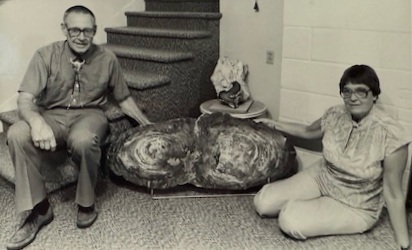
For years, the couple’s home had been open by appointment to individuals, groups and school children who were interested in viewing their large collection of petrified woods, minerals, fossils and Native American items. With the opening of their business, the Shaws offered items for sale including jewelry made from natural materials and decorative items made from geodes, natural minerals, fossils and petrified wood.
Joan’s interest in rock collecting was piqued when daughter Cindy began picking up stones from the back of their property and bringing them to the house to show off. Joan began filling the basement of their house with rocks, and in 1960, she and Don became charter members of the Southwest Kansas Gem and Mineral Society. Joan wrote that they “had not the faintest inkling their newly chosen hobby would grow into a private collection.” The Shaws soon found themselves making jewelry. Don became an accomplished silversmith while Joan cut and polished the stones and designed their pieces. They won many trophies for their work.
In 1967, a polished agate that Joan submitted to the American Federation of Mineralogical Societies was used in a brooch presented to Lady Bird Johnson. The brooch contained one stone from each of the 50 states. Joan had fashioned her stone from a small piece of “rough” material Cindy found in the canyon behind their home.
Very early in their participation in the SWKGMS, the Shaws began a collection of fossil woods from many areas in the Western U.S. The collection broadened in later years to include specimens from world-wide locations. With such a broad selection of materials, Joan thought it wise to learn something of pale botany and structure of early day plants. Using textbooks and a binocular microscope, she learned to make a cursory identification of many of the specimens. Knowledge also brought about the collection of plant parts other than the hardened trunks and stems, and the family soon had collections of leaves, cones, and seeds. Many of these were collected personally in the locations where they fossilized.
In order to display their collection of fossil plants, the Shaws constructed a four-tier pyramid with the bottom measuring twelve feet square and with subsequent tiers tapering to the top. This enormous display was shown at several shows in Western Kansas and Oklahoma. At the Rocky Mountain Federation Show in Colorado Springs in June 1978, it received one of the 25 special ribbons awarded by the Japanese International Rock Appreciation Club for best exhibits at the show.
Both Don and Joan held various offices in the SWKGMS. The organization disbanded in 1985, but during the years the club was active, it sponsored the 4-H Club geology project. The Shaws guided 4-H groups to areas where they could collect specimens such as sharks’ teeth, ammonites, and fossil clams. Many collectors sought the Shaws’ help in identifying and labeling their specimens. For several years, Joan traveled to county fairs to judge geology exhibits using the rules she helped establish in the early years of the state 4-H geology project. They were based on those used in the Gem and Mineral Society.
Many cases of rocks, minerals and fossils were assembled by the Shaw family and given to area schools. Science teachers who attended rock swaps were surprised to receive boxes of identified specimens from the Shaw collection to use in their classrooms. These activities, along with the groups and individuals who viewed the collections in the Shaw home, resulted in hundreds of thank-you notes. A count of names in five guest books kept through the years of the hobby after the middle of 1963 showed that 2,549 students, scouts, 4-H members and adult organizations signed in. In addition, 1,764 individuals viewed their collections. Visitors from 15 foreign countries enjoyed the hobby in the Shaw’s home.
The Shaw children were involved in the hobby too. Cindy was the perpetual rock collector. In adult life, she spent part of ten years doing underwater photography in the Bay Islands, Honduras where she became an expert on the corals, soft-bodied animals, fish, and larger oceanic creatures. This led to writing a book, “Diving Bay Islands.”
Shawn found her first Indian point at an early age and soon claimed all those collected by the family. Later as the Native American collections came to include pottery and weavings, her interest graduated to include them. Alison was drawn to modern-day corals and sea-shells. As a world traveler, Terry collected treasures from many areas of the globe.
The two youngest, Jane and Lex, displayed cases at the yearly SWKGMS shows with Jane specializing in miniature minerals and Lex collecting fossil fauna. Lex also served as club photographer for several years. Both later graduated with degrees in geology from Kansas State University.
After the winter of 2006-2007, Don and Joan moved to Texas where they were closer to family. Joan’s passion traveled with her, and she soon had a new house to fill with rocks. Visitors were entranced by her collection. Joan passed away March 24, 2014, at Georgetown, Texas. Don died a month later on April 24. They had reached their 70th wedding anniversary that January.
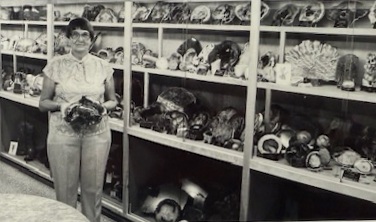
SOURCES: Lakin Independent, History of Kearny County Vol. II, and information/pictures provided by the late Joan Shaw.
Mayhem & Murder
On a Saturday night in August of 1892, four masked men held up a passenger train near Augusta, Kansas. As the train crossed a bridge one mile east of the Augusta depot, the engineer was startled by the sight of a masked man climbing down over the coal in the tender of the engine. The man shoved a revolver in the engineer’s face and commanded him to stop the train. A revolver was also aimed at the train’s fireman.
The engineer brought the train to a standstill, and accomplices in the rear uncoupled the Wells Fargo express car. Then the engineer was forced to pull ahead about a mile with the car and stop. While two of the robbers watched the crew of the locomotive, the others went to the express car door, demanded admittance and commenced shooting through the sides of the car where two more employees were barricading the door. The crewmen had no choice but to admit the masked men to the car where the safe was opened and ransacked. The robbers then made their escape into the surrounding woods.
Earlier in the week, the sheriff of Cowley County had been informed by a would-be fifth member of the gang that such a scheme was afoot. While the sheriff did not discover exactly when the robbery was to take place, he had a posse in waiting. As soon as he caught wind of the hold-up, he knew right where to put his hands on the robbers. He went to Douglass with several deputies where they surrounded the robbers’ homes and arrested Fred Livingston, A.A. Bailey, Rollin Moffat and Ezra Carter without a fight. Indisputable evidence of the men’s guilt in the form of masks and the money was found. The robbers were transported to the Winfield jail, and all of the stolen money except a few dollars was reportedly recovered. None of the men had ever held up a train before, but one paper reported that they had done their work like pros with the only mistake being that they captured the westbound Frisco instead of the eastbound which would have had a much larger amount of money onboard.
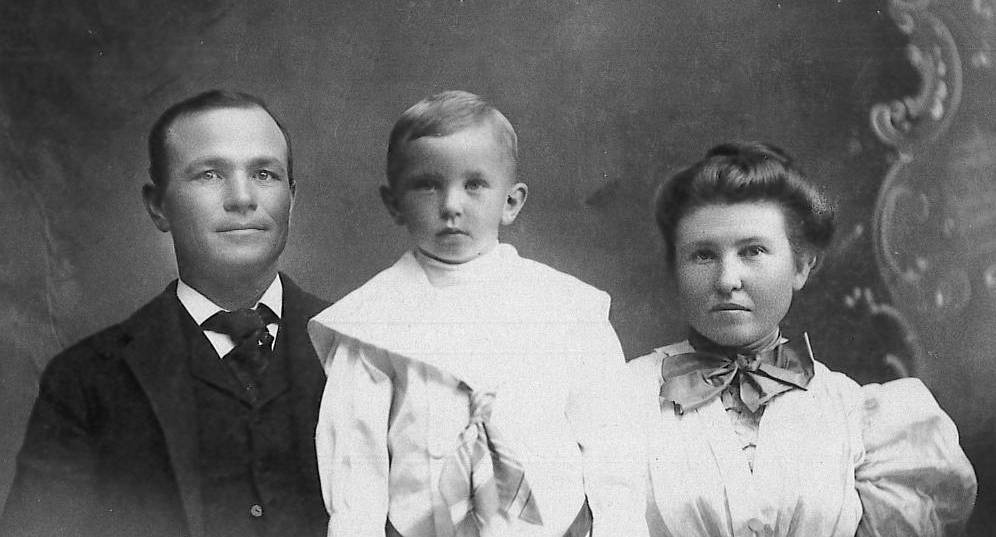
Now the names of Livingston, Bailey and Moffat probably bare no meaning to those who reside in Kearny County, but Ezra Carter just might ring a familiar bell. His father, John H. Carter, was the first man charged with keeping the peace in our area having been appointed undersheriff of Kearny Township in 1879 when what is now Kearny County was part of Ford County. What would possess the son of a lawman to get on the wrong side of the law?
The prosecuting officer entered into an agreement with the attorney for the defendants to prosecute only one of the men for train robbery. If there was a conviction, then the others were to plead guilty to larceny. If there was no conviction, then the others were to be set free. Ringleader Moffatt turned state’s evidence upon a promise that he would not be prosecuted, but Bailey, Livingston and Carter drew straws to see which would stand trial. As luck would have it, Ezra drew the long straw.
The trial, considered one of the hardest fought cases ever tried in Butler County court, lasted a week with the jury convicting Ezra to 14 years in the penitentiary while Bailey and Livingston were each given five. In 1895, the latter two were pardoned, but Carter’s request for a pardon was denied with the board of pardons claiming the case was a sort of “tails I win and heads you lose” scenario. Carter plead that he was guilty of no more serious a crime than the others and felt discriminated against. Then, in 1898, Kansas Governor Leedy commuted Carter’s sentence after Ezra produced affidavits to show that the other two men had robbed the train and that he only took a minor part in the crime.
Carter made his way back to Kearny County, moved in with his father and began living the life of a reborn man. He was soon serving as director of the Lakin band and was elected county commissioner for District #1 in 1905. He married Grace McConnon, the daughter of another local lawman, in April of 1901, and the two welcomed sons in 1903 and 1908. But Ezra couldn’t completely escape his criminal past.
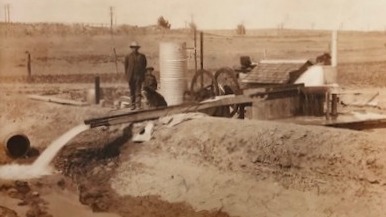
When seeking re-election in the county commissioner race, Ezra approached a neighboring farmer in the Hartland area by the name of George W. Clark to solicit Clark’s support. Clark told Ezra that “there were just as good men who had no penitentiary record.” The feud between the two men continued to brew and came to a head in December of 1910 when Clark hired a man to sink a well on his farm. That man employed Ezra Carter, but Clark ordered Ezra off his place with the warning that he would kill him if he returned. Ezra came back to the well with six others to work. Clark rode from his house up to where the men were working. When about 75 yards from them, Clark, without saying a word, turned and rode back to the house about 400 yards away. Witnesses reported that Carter said Clark was probably going to his house to get his gun and shoot him. That is indeed what happened. Clark returned to the men, and ordered Carter to leave. Ezra jumped behind another man for protection and reportedly said, “I’ll go” and “Don’t shoot.” But when Ezra stuck his head out, a deadly shot struck his skull, and Clark rode away without saying another word. He was captured later that evening.
Clark’s case was the first murder trial in Kearny County. Both he and Ezra had many partisan friends, and after the jury had been out for more than 24 hours, the verdict was returned. Clark was found not guilty by reason of insanity and sentenced to the wing for the criminally insane in the state penitentiary at Lansing. Clark was the first person to be sent to the asylum, but the Topeka State Journal reported that prison officials said Clark’s mind was normal from the time he was received there. In 1914, Clark escaped while clearing brush on an island in the Missouri river. He was located in Heavener, Oklahoma but refused to be returned to Kansas. Since Clark was not convicted of murder, he could not be classed as a fugitive from justice and could only be arrested while within the state of Kansas. Nine years after his escape, Clark died near his home in Heavener from uranic poisoning. Ironically, the Heavener Ledger reported that Clark, like Ezra Carter, had also been living the life of a reborn man, was considered upright in his business dealings, and was popular among all who knew him.
SOURCES: Archives of the Kearny County Advocate, Junction City Weekly, The Evening Kansan, Rock Island Daily Argus, Harrisburg Telegraph, Kansas City Journal, Topeka Capital-Journal, Topeka State Journal, Heavener Ledger, and Leavenworth Times with special thanks to Charlotte Carter Isaacs.
When a picture is worth a thousand words
From the June 12, 1908 Lakin Investigator
A Marvelous Demonstration.
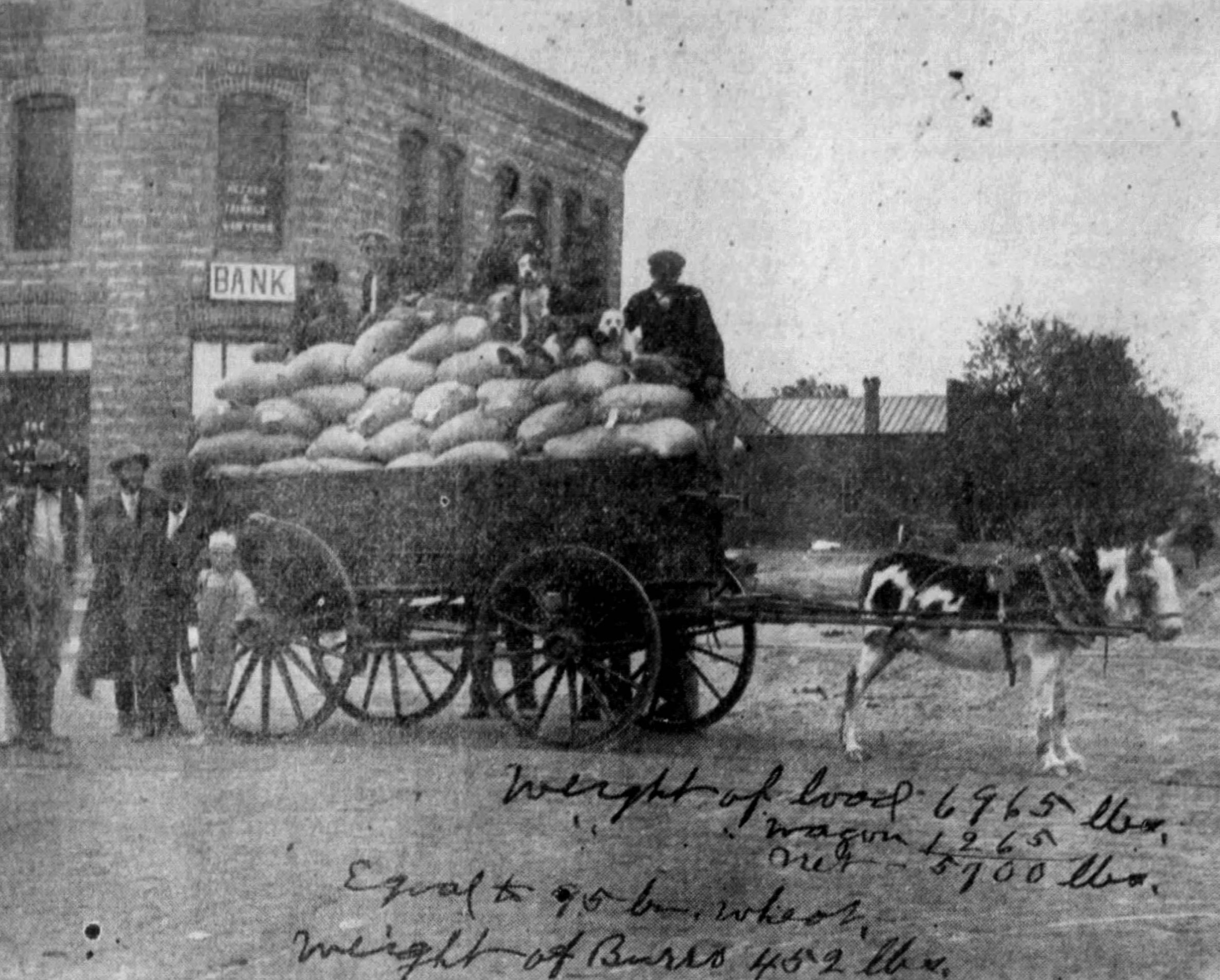
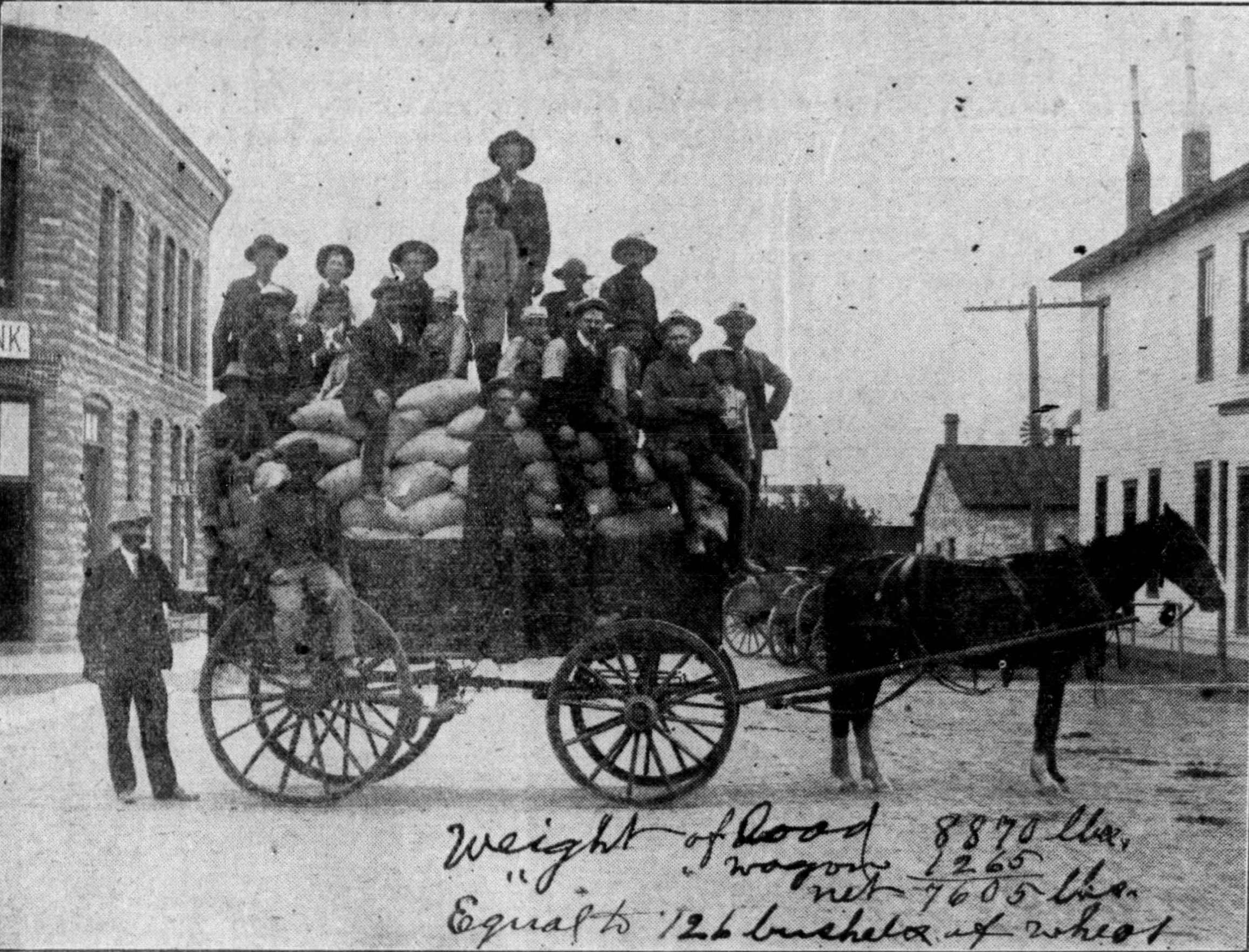
We, the undersigned, witnessed a marvelous demonstration on our streets on May 23rd, 1908. A.S. Nelson & Son, assisted by H.S. Darr, exhibited a Spiral Bearing Wagon that was fitted with shafts. The wagon was loaded with 5,000 pounds of chop and driven on to the streets and six boys and two dogs put on top the load.
Making a load of 5,700 pounds, besides the weight of the wagon. To this heavy load a burrow owned by Mr. Wilkinson was hitched to the wagon and this little animal drew this load (equal to 95 bushels of wheat) besides the weight of the wagon, down the streets between the banks where a picture was taken. Weight of the burrow was only 452 pounds. Then a small horse belonging to D.O. McColm, a farmer who lives near by, was hitched to the wagon and more than twenty men and boys climbed onto the load, and were driven onto the scales, and the load weighed 8,870 pounds, and after deducting the weight of the wagon, it left a net load of 7,605 pounds, heavier than 126 bushels of wheat. A picture of this load was also taken.
And when we take into consideration that this bearing runs without lubrication, it seems the more marvelous, but the inventor seems to have combined a perfect rolling action without static friction, and its saving to the “wheel world” is almost beyond comprehension.
E.O. McDowell, county treasurer; F.L. Pierce, county clerk; C.E. Warthen, register of deeds; E.S. Snow, coal dealer, weighed the burrow; R.Sewell, clerk, weighed wagon load; Dr. S.W. Downing, H.G. Stocking, George Eyeman, J.L. Hilyard, M.A. Mosher, J.M. Judd, cashier; C.B. Campbell, assistant cashier; G.W. Thornbrough, photographer; T.N. Thorpe, H.S. Darr, grain and seed; C.F. Bastion, Mrs. H.S. Darr, J.E. Shinkle, L.G. Eyman, L.P Kimball, justice of the peace.
The above testimonial in connection with various other evidence we have, should convince any one of the great merits of this extremely valuable invention.
Remember that “One truly good investment is worth a life time of hard labor.”
Now, while you have the opportunity is the time to secure some of this valuable stock. You can buy on the installment plan if desired. See A.S. Nelson & Son, or call on H.S. Darr, local representative, Lakin, Kansas.
Since the demonstration referred to above, I have talked with quite a number of people who are acquainted with Mr. Nelson, and have had numerous letters from stockholders in this company, and they all speak with entire confidence of the merits of the invention and the integrity of the officers, and predict that within two years this company will pay its stockholders more than 100 per cent in dividends annually. The saving in power, when applied to the street cars of one large city along (New York) will amount to over $20,000,000 annually, and this company should receive half of this saving, which would make over two hundred per cent on the entire capital stock. I will take your orders for any amount of stock you want, from $10 to $10,000, on the same terms as Mr. Nelson or the secretary of the company at Hannibal, Mo.
H.S. DARR
Wagons leveraging the Timken Tapered Roller Bearing or a variant of a self-oiling, continuous-angle assembly (often referred to by farmers as a “spiral” pattern due to how the rollers wrapped the axle cone) were heavily marketed for their mechanical advantage. Merchants and grocery firms across the Midwest frequently upgraded their heavy-duty delivery wagons to these new bearing axles because it drastically reduced the physical strain on the horses pulling heavy loads of cargo or groceries through muddy roads. According to the May 29, 1908 Advocate, sugar beet growers were greatly interested in the wagons. “for it would mean 50 per cent or more in the delivery of their beets to the railroad or sugar mill. These wagons are never oiled. The bearing having spiral grooves running its entire length, turns on steel rollers and its cost is but little more than the ordinary bearing.”
25 years after 9-11
This September 11 marks 25 years since the Twin Towers of the World Trade Center were struck by hijacked commercial airplanes in the worst terrorist attack on U.S. soil. Nearly 2,800 lives were lost in the WTC attack. According to 911memorial.org, 100 million Americans are too young to remember the day that changed New York City and our nation forever, but former Lakinite Joel Neff, son of Martin and Donna Neff, has not forgotten.
Joel and his wife, Tenille, were living in Larchmont, NY at the time. They had moved there so that Tenille could attend graduate school, and 9-11 took place on the very day she was to begin classes. Joel was working in Manhattan at A.I. Friedman, a long-standing independent art supply and graphic materials department. He traveled to work on the Metro North, and as he boarded the train bound for Grand Central Station that morning, news of a plane hitting the WTC began circulating on the train. Joel and other passengers assumed that a small private plane had probably hit the buildings because that had happened before.
Joel’s 30-minute ride into the city went smoothly, but upon arriving at Grand Central, news was spreading that two large planes had hit the WTC. Thinking that all was under control, Joel boarded the subway for the rest of his journey to work. The subway stopped somewhere between 20th and 14th Street at about 9:45 AM, not at a scheduled stop. It was pretty intense underground with no light or air conditioning and only speculation of what might really be happening above. Joel made it to 14th Street around 11 a.m. and entered onto the street above to a chaotic scene. Only then did he begin to comprehend the magnitude of the devastation. His work place was 10 blocks from the WTC, and the building had been evacuated. Joel used his cell phone to let his wife know he was okay and began his long walk back to Grand Central Station where he was able to catch the last train leaving the city for that day.
“I walked back to Grand Central and caught the last train back home, the whole time in a daze of visual reality fighting the unreality in my head.”
Joel wasn’t able to go back to his job in Union Square until the following week. “Although we were open, for the next month we really didn’t have any sales but we stayed open so people would have a place to just go and be.” The area around Ground Zero was blocked off with National Guard units stationed at barricades with NYPD.
Although Joel didn’t personally know anyone who lost their life in the attack, most of his co-workers lost someone they knew that day. Still, Joel couldn’t help but be impacted by the tragedy. “The weeks following were really just a daze, where nothing felt real. I never experienced any sense of fear in those days, but a profound sense of sadness and connectivity with the greater community. It also seems that very shortly after, the memorials began popping up with anti-war and a real sentiment for peaceful resolution.”
“Even though I had just been living in NYC for three months when the towers were attacked, the thought of leaving never really crossed my mind, even though several people from back home made the statement, “when are you going to move back?” To me, there was nothing more amazing than seeing the people of NYC pull together and deal with this traumatic event in a very real and meaningful way. Feeling somewhat of an outsider at that moment I was never treated that way by the people I knew or met at that time. I know there is the stereotype of the mean, cold New Yorker that is often portrayed on TV, but I did not find that to be even remotely true having gone through such a tragic event with my fellow New Yorkers.”
The Neffs remained in NYC for 13 years but moved back to the Midwest after having their first child. Their Missouri home is a far cry from the skyscrapers, subway, and hustle and bustle of New York City life, but memories of the terrorist attack still linger.
“Looking back, as with most tragedies, seeing the whole country unite as a community where we were all just Americans, no matter your politics, race or ethnicity, rallying to support one another as we all struggled to make sense of this senseless tragedy was an amazing thing.”
Neff added, “Unfortunately, the following war and politics since then seem to have used the attacks as a catalyst to begin to divide the country over the last 25 years. I guess thinking back to that time, I wish that sense of togetherness that we had as a country was more prevalent in today’s society and that we could have used that moment to foster in 25 years of country and worldwide unity helping to bring greater stability through the world instead of the insecurity that seems to be so prevalent in today’s society.” That’s a sentiment we can all relate to.
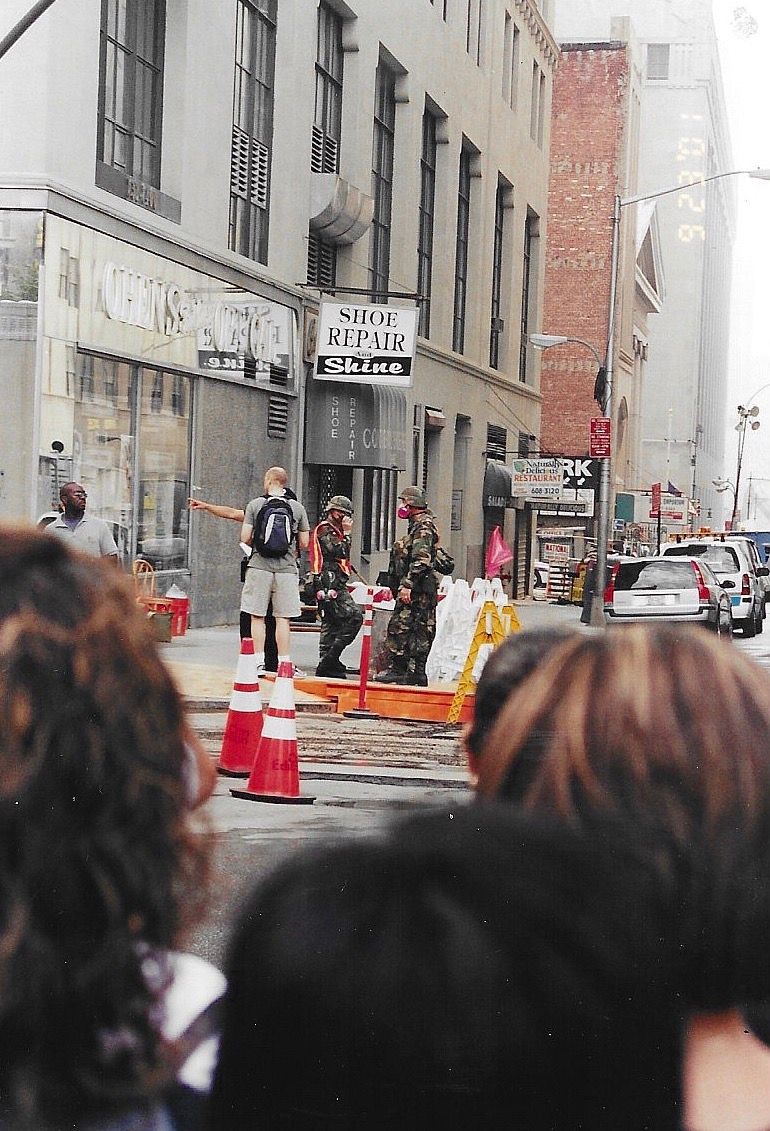
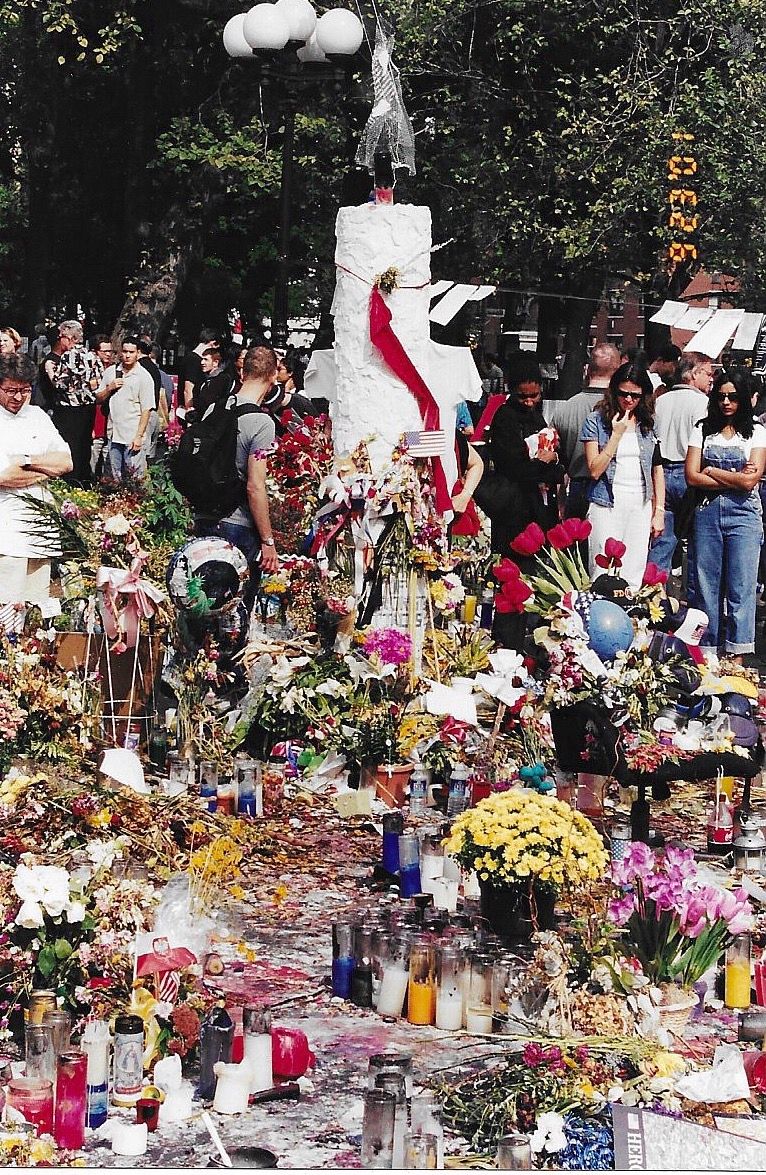
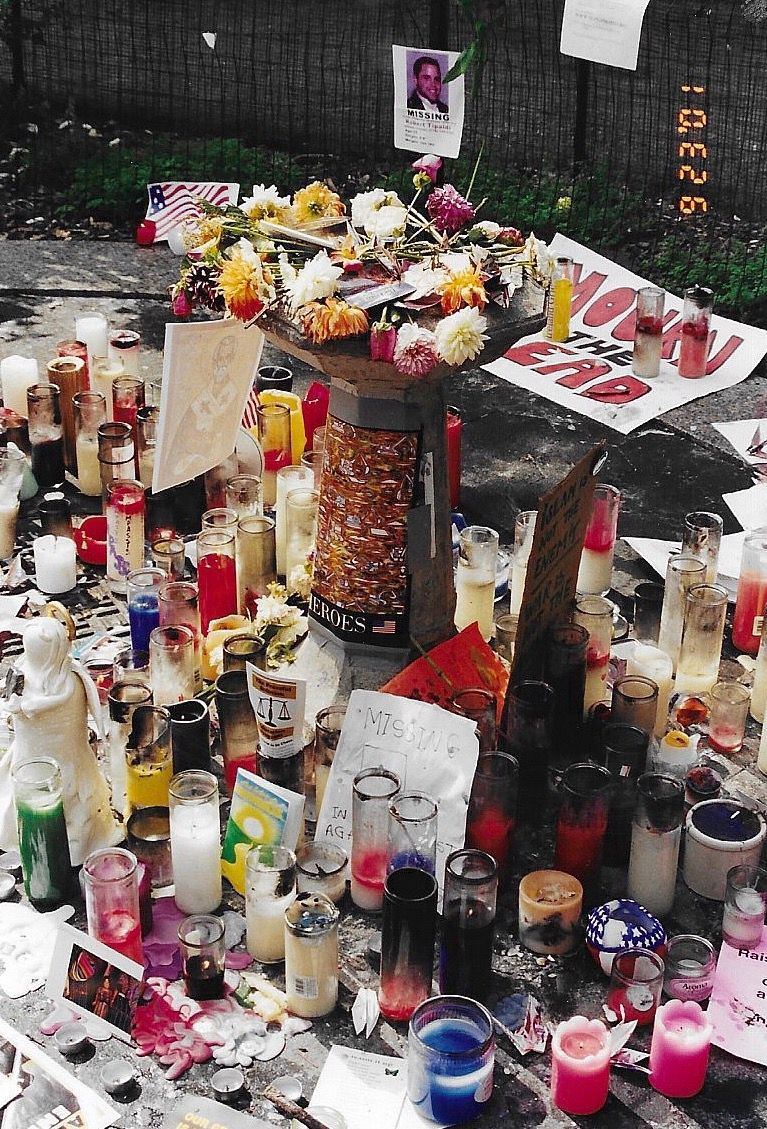
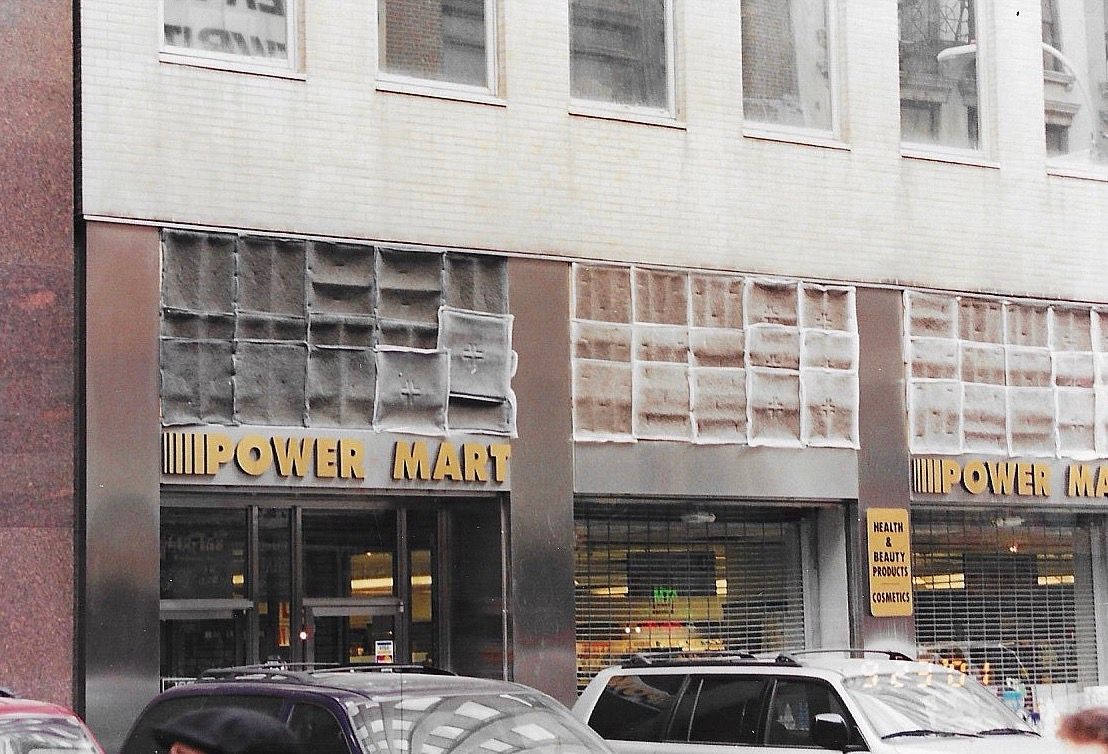
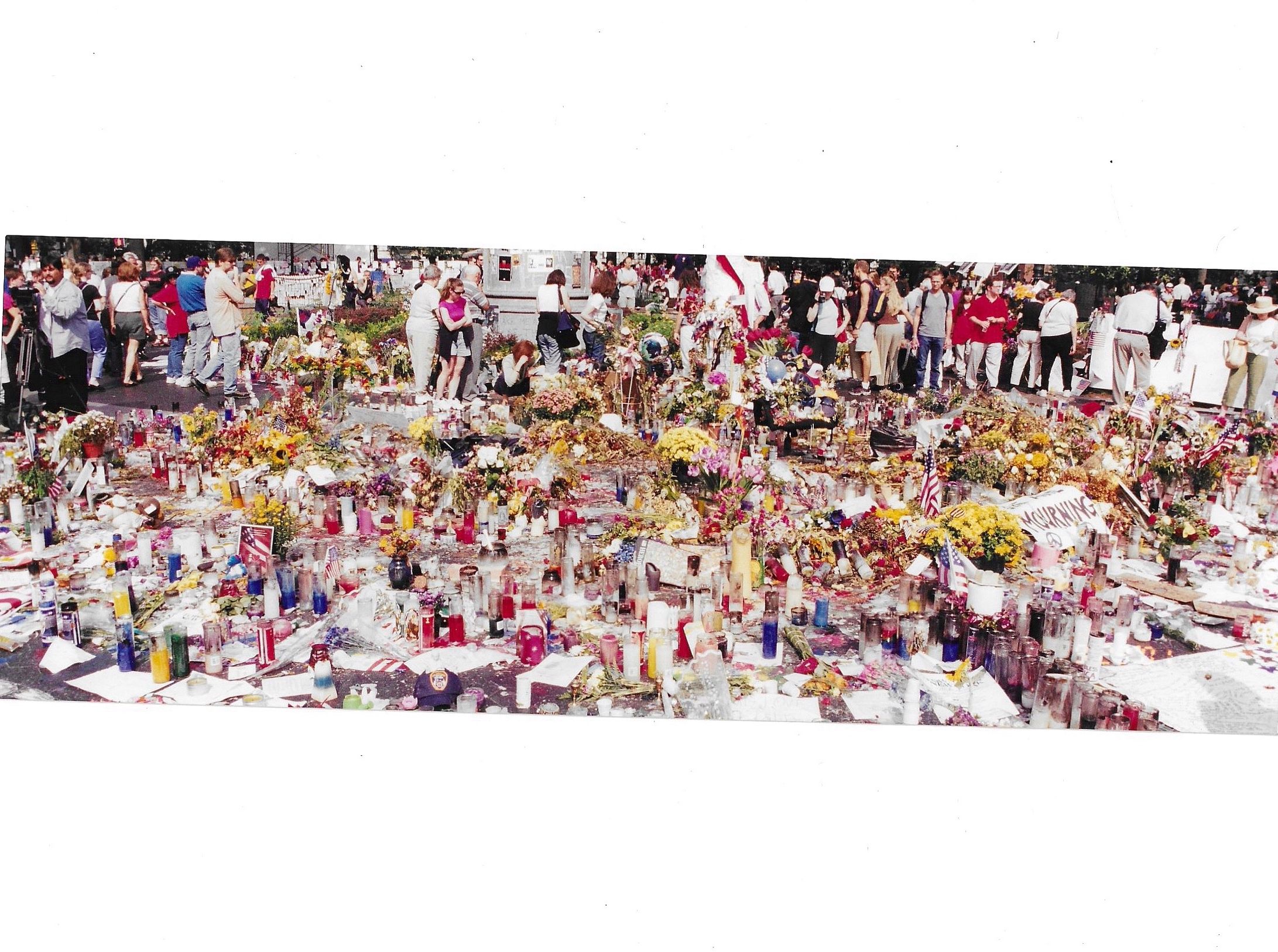
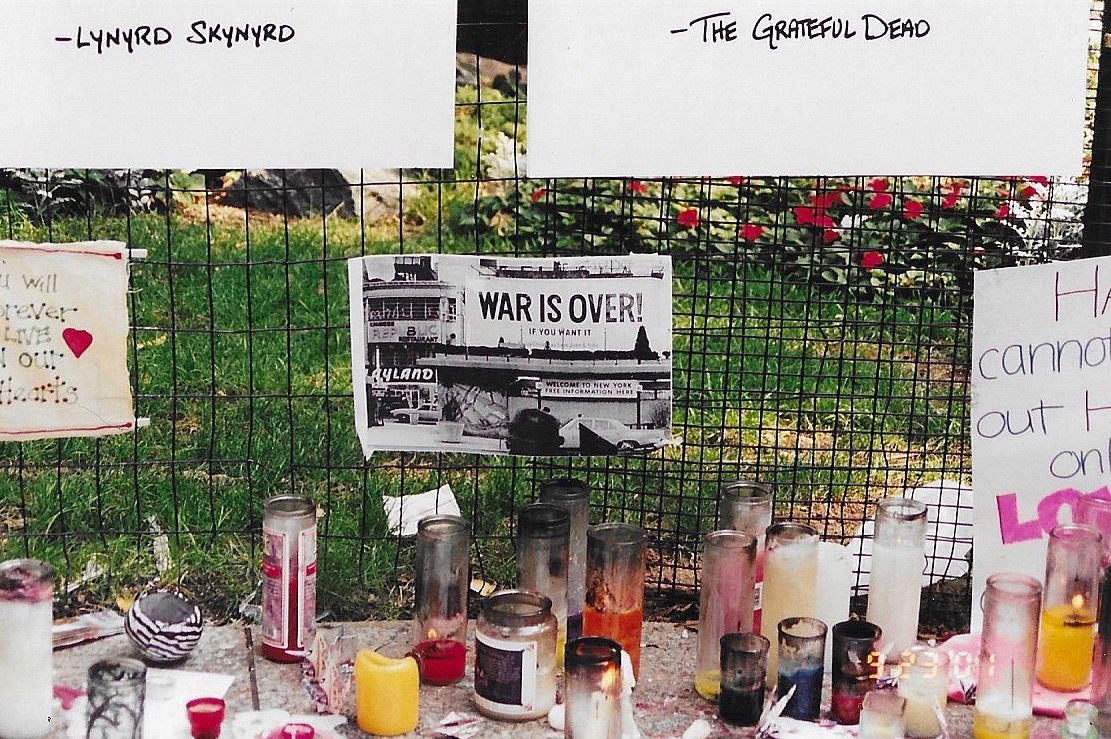
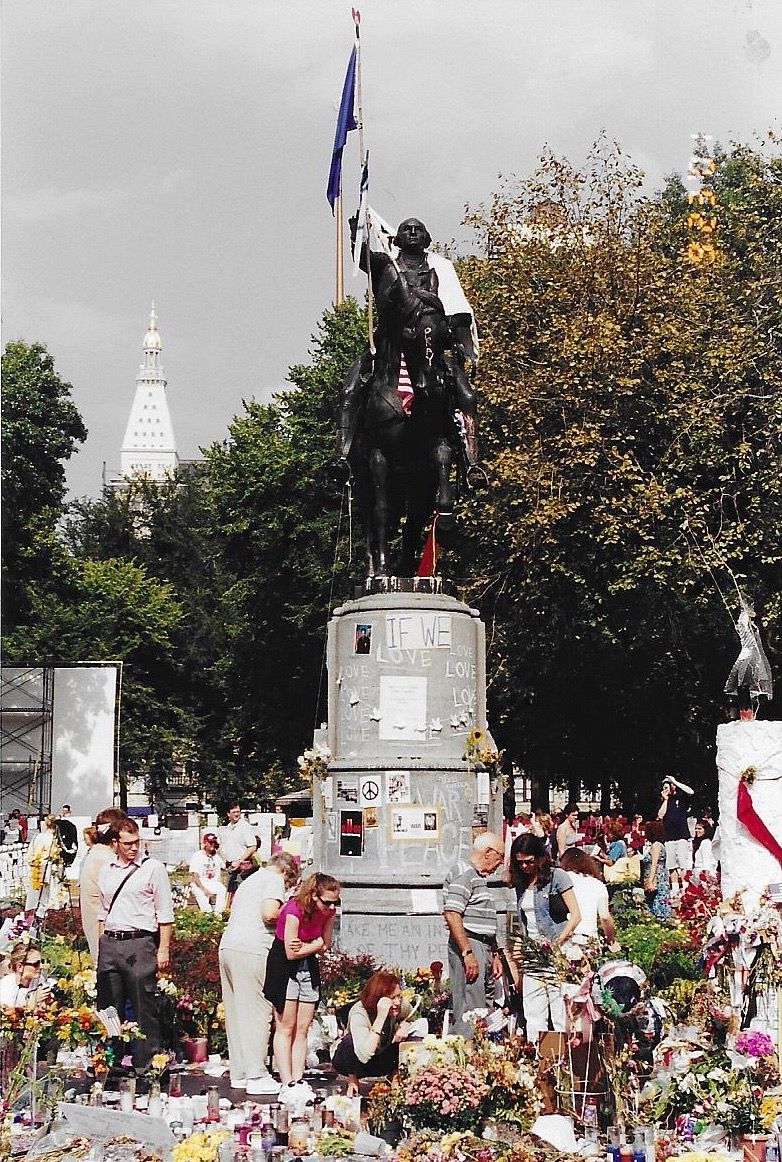

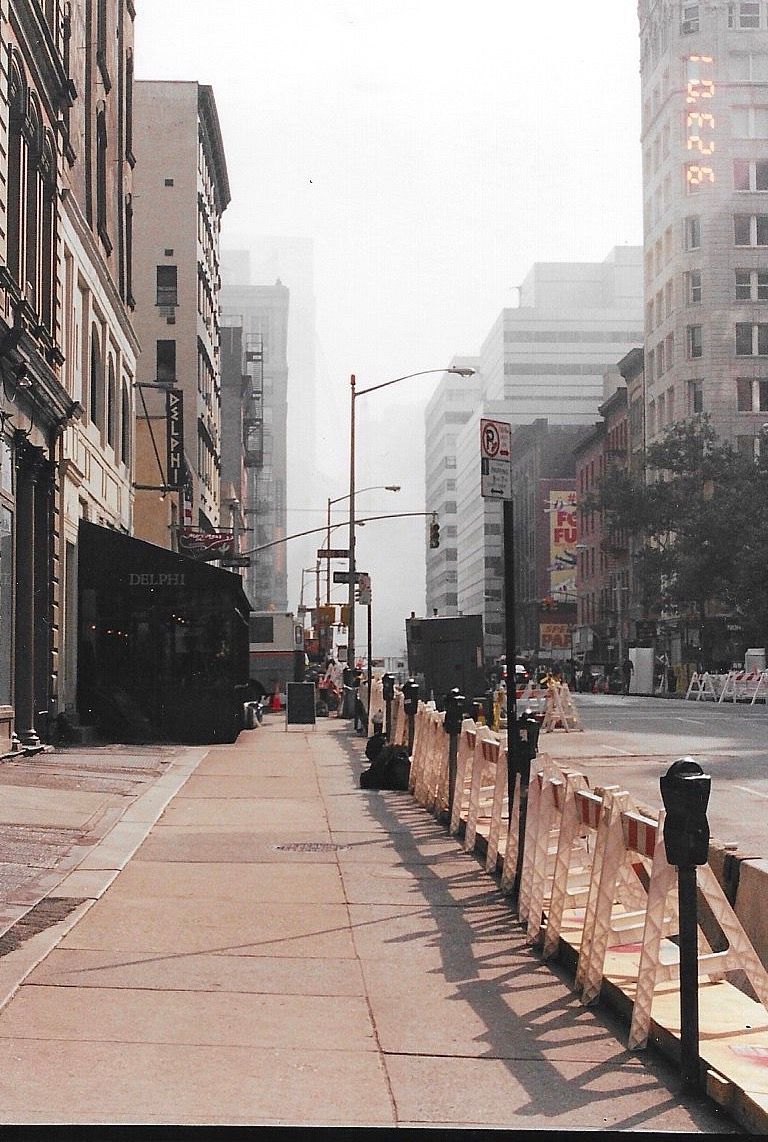
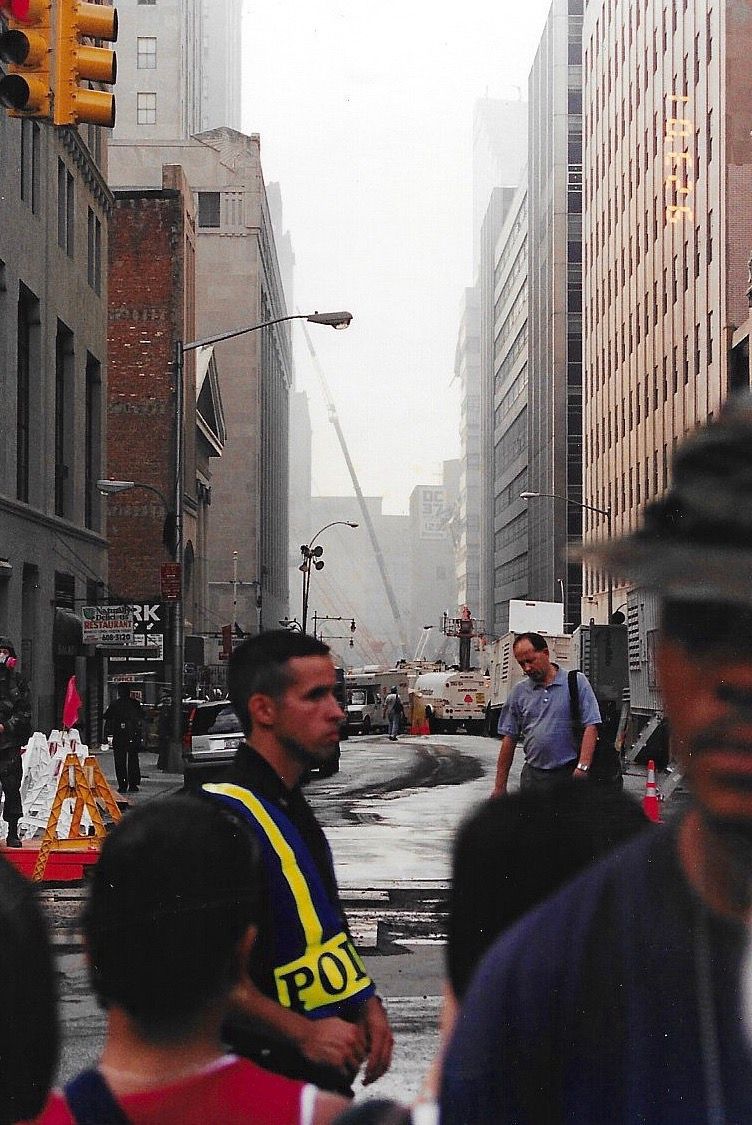
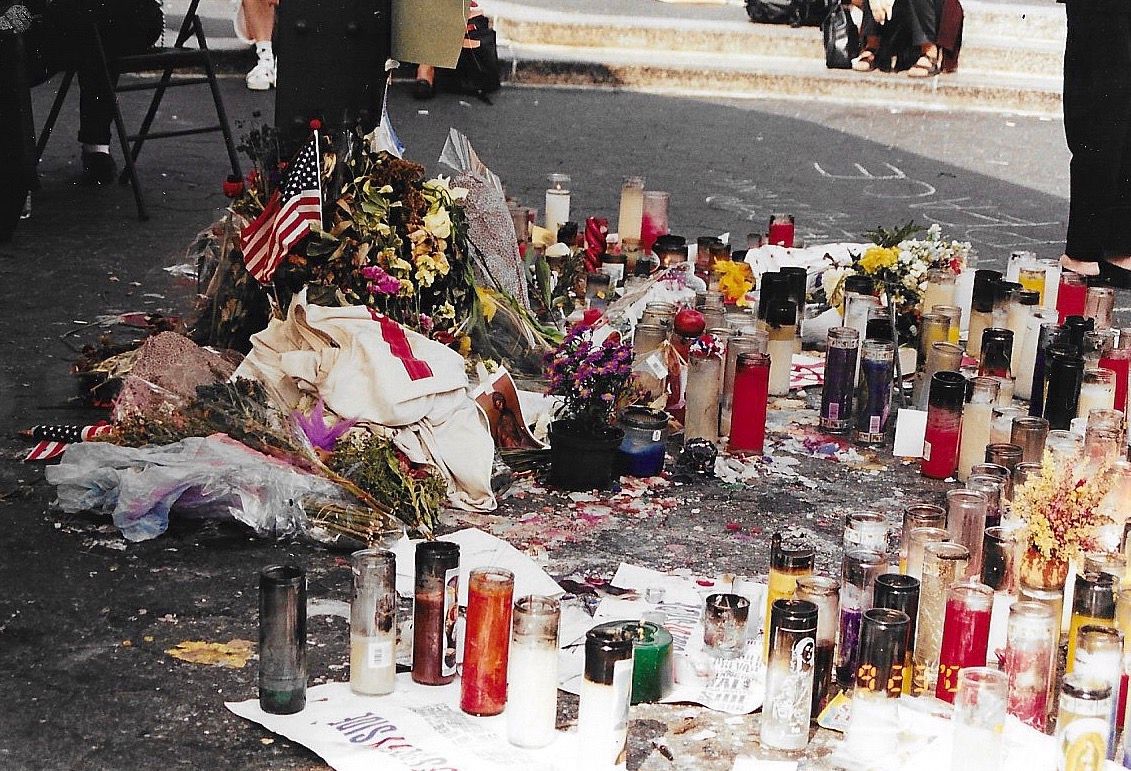
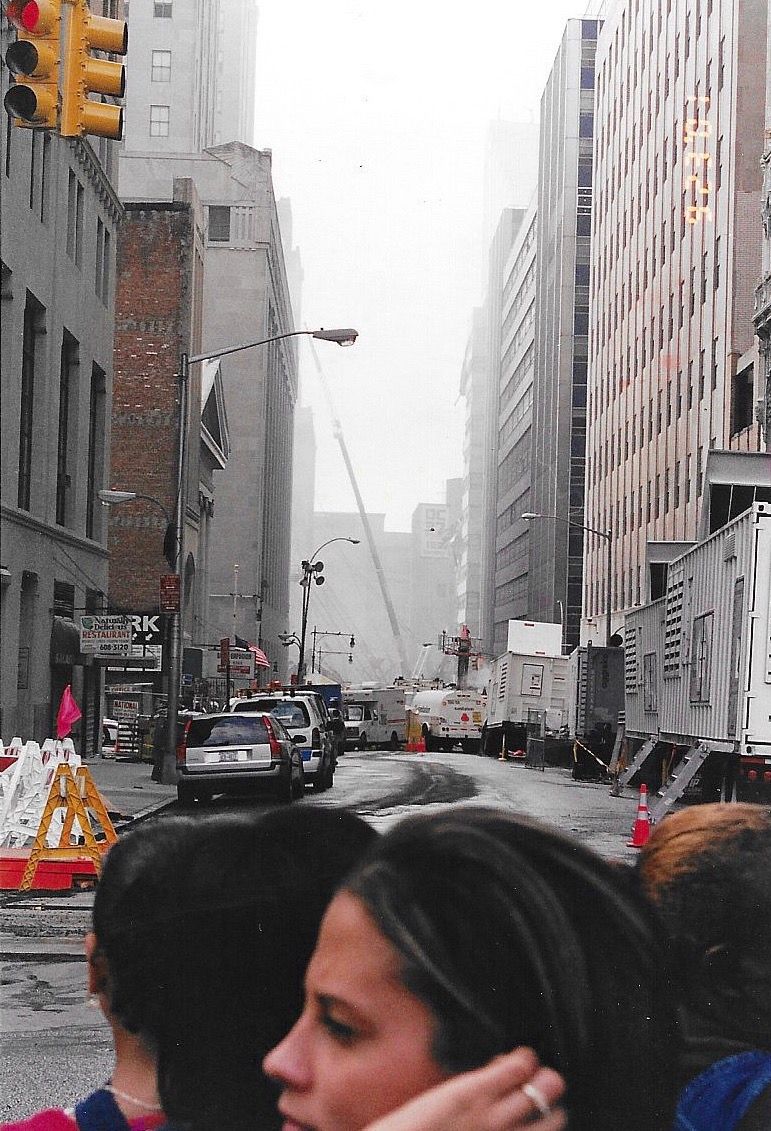

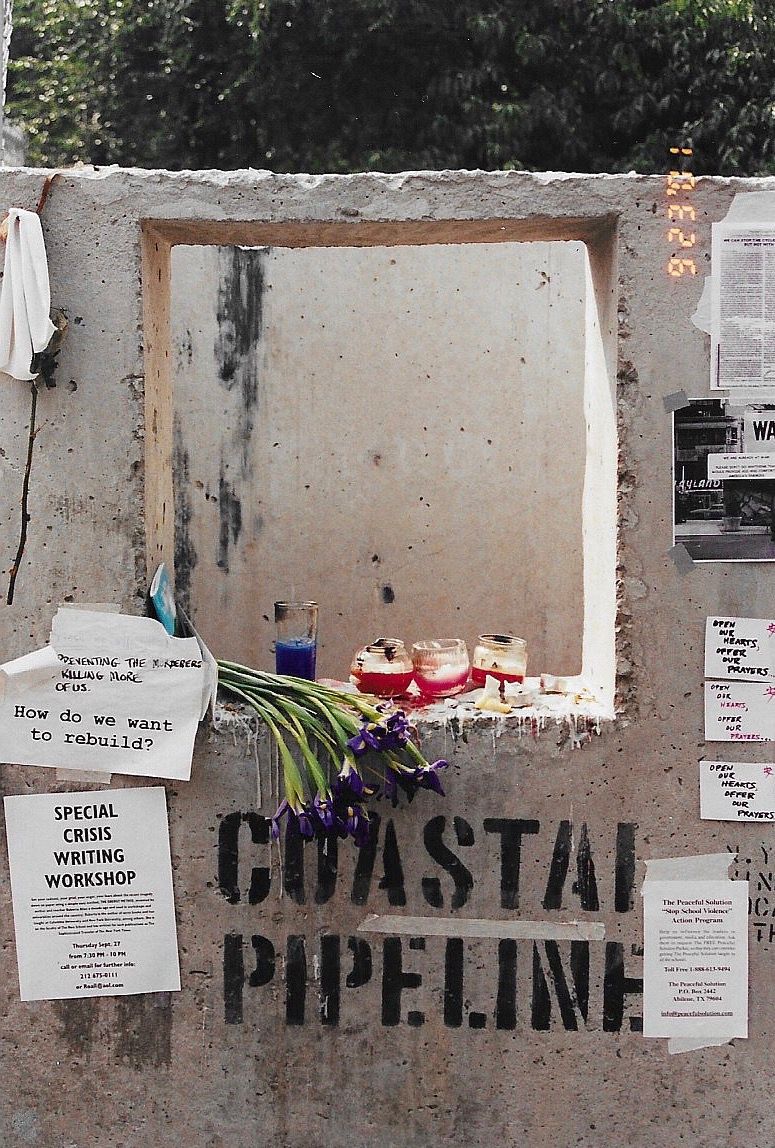
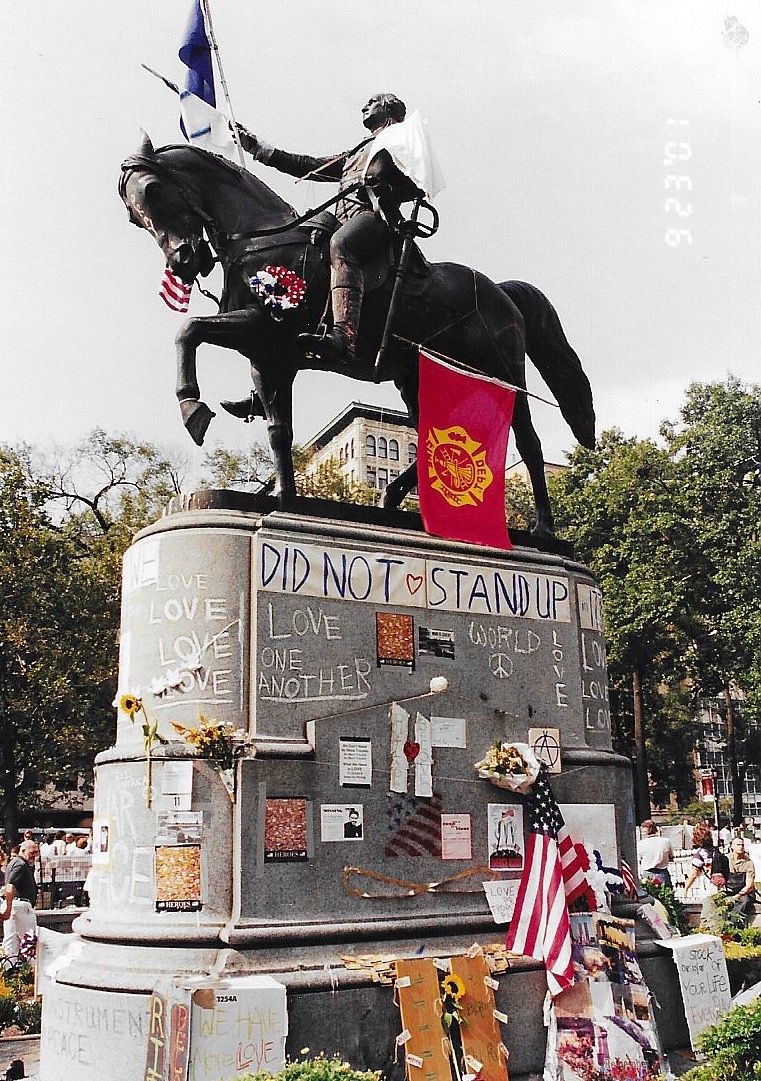



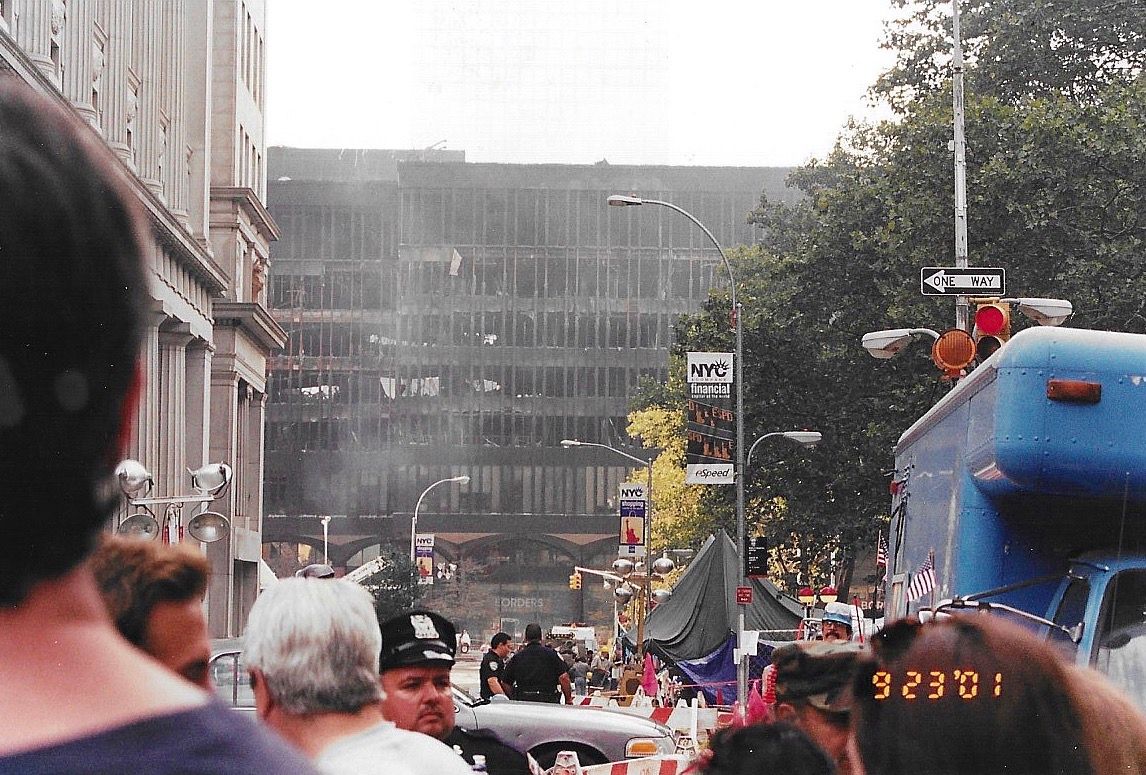
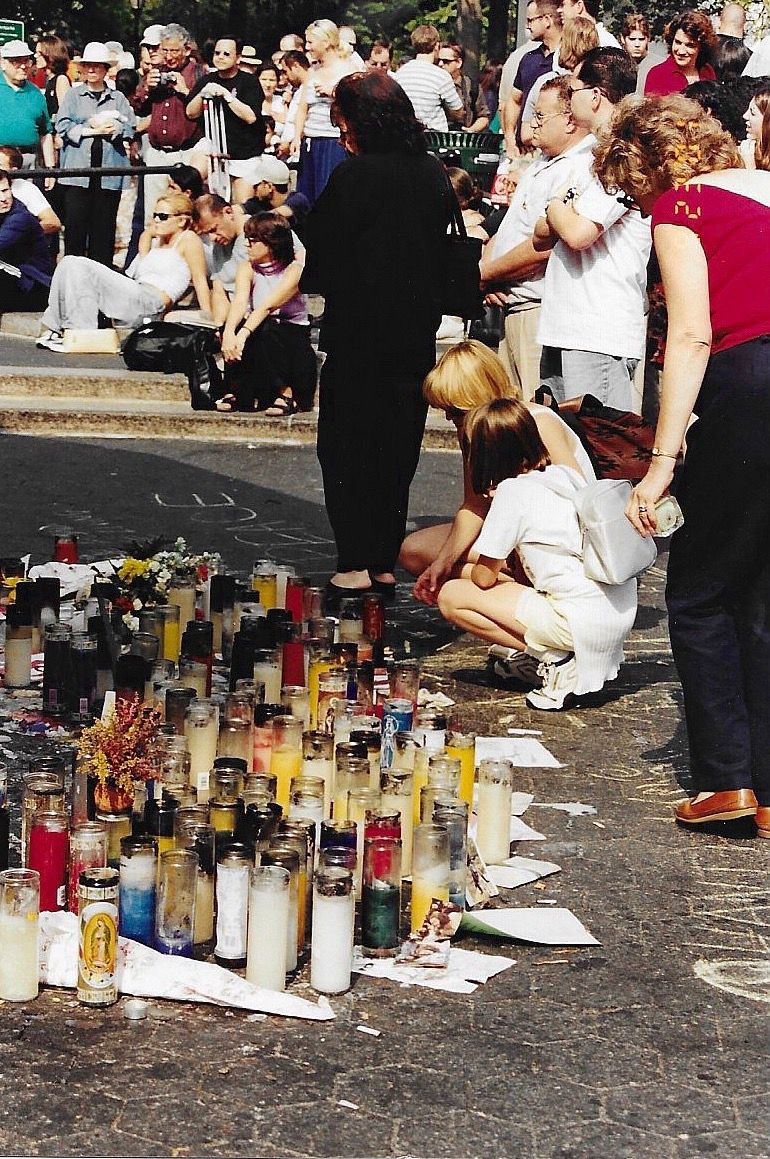
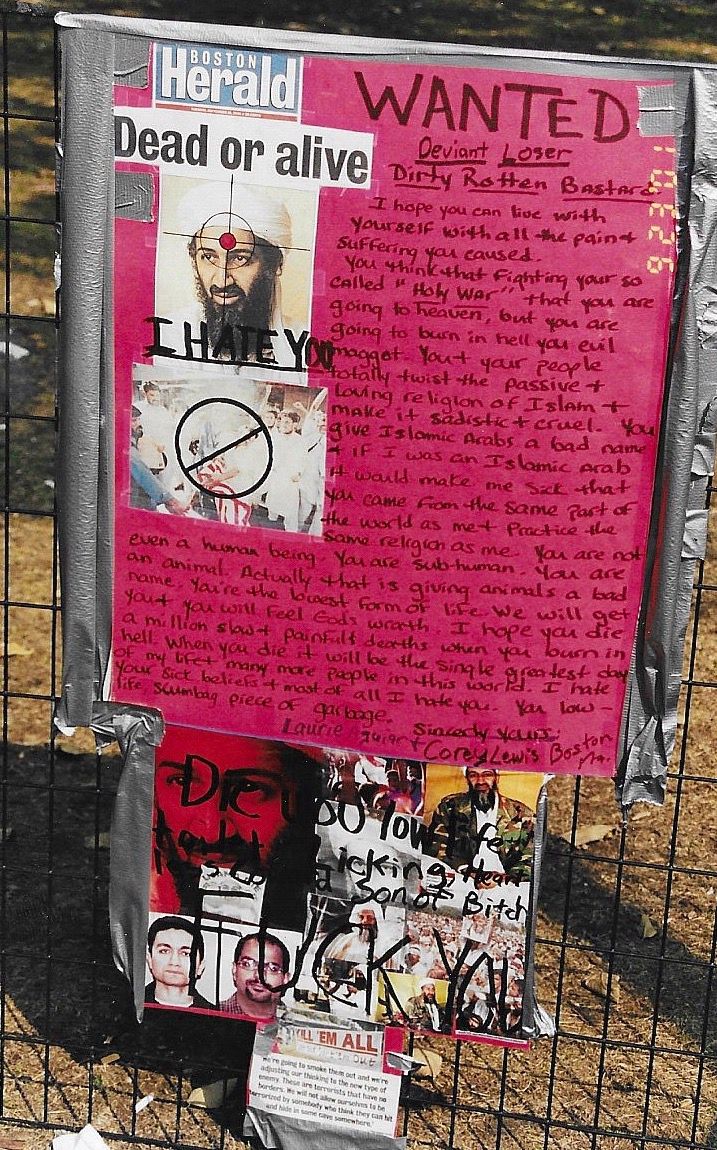
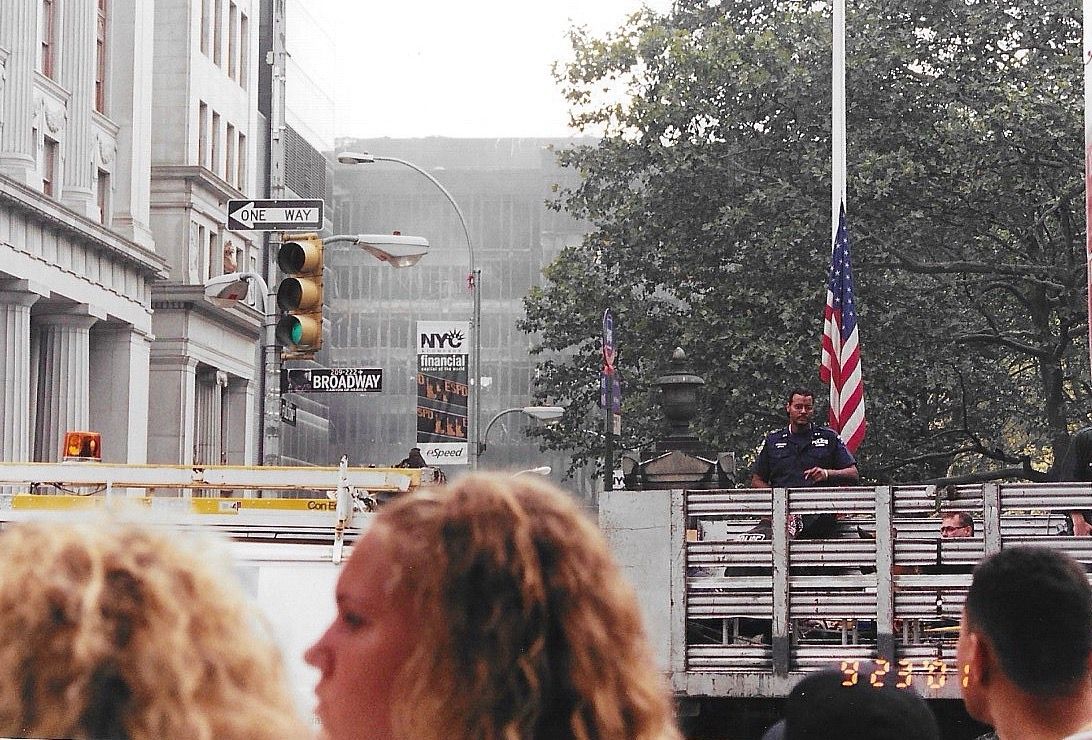
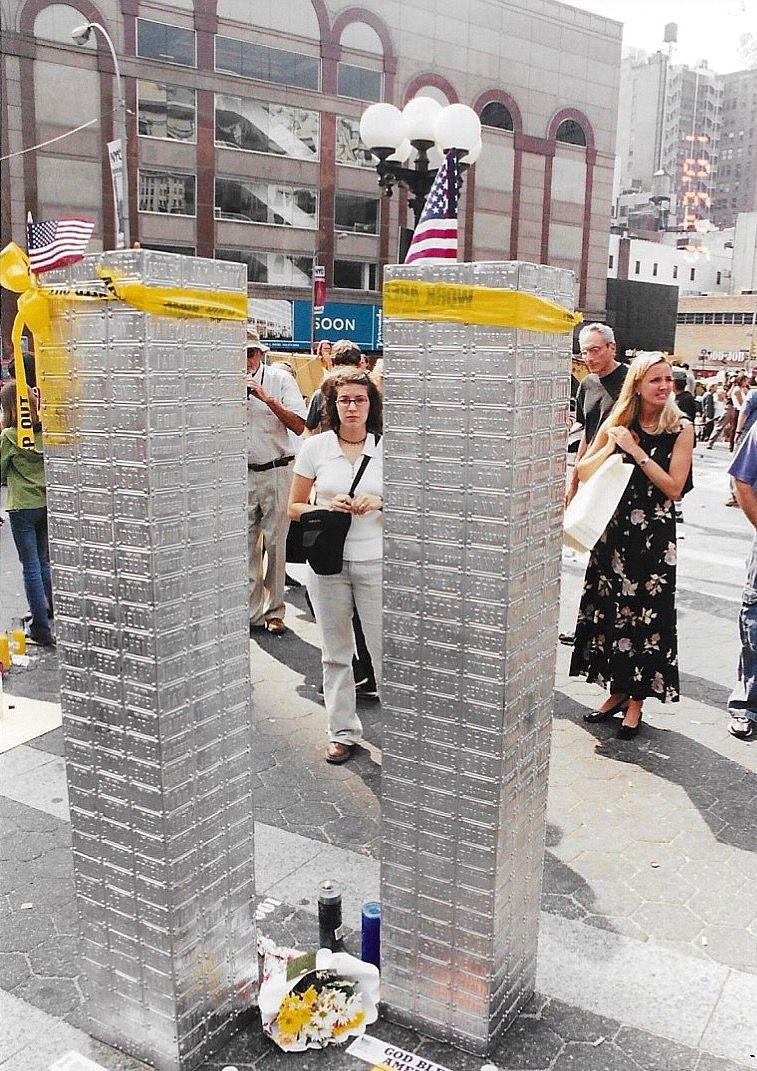
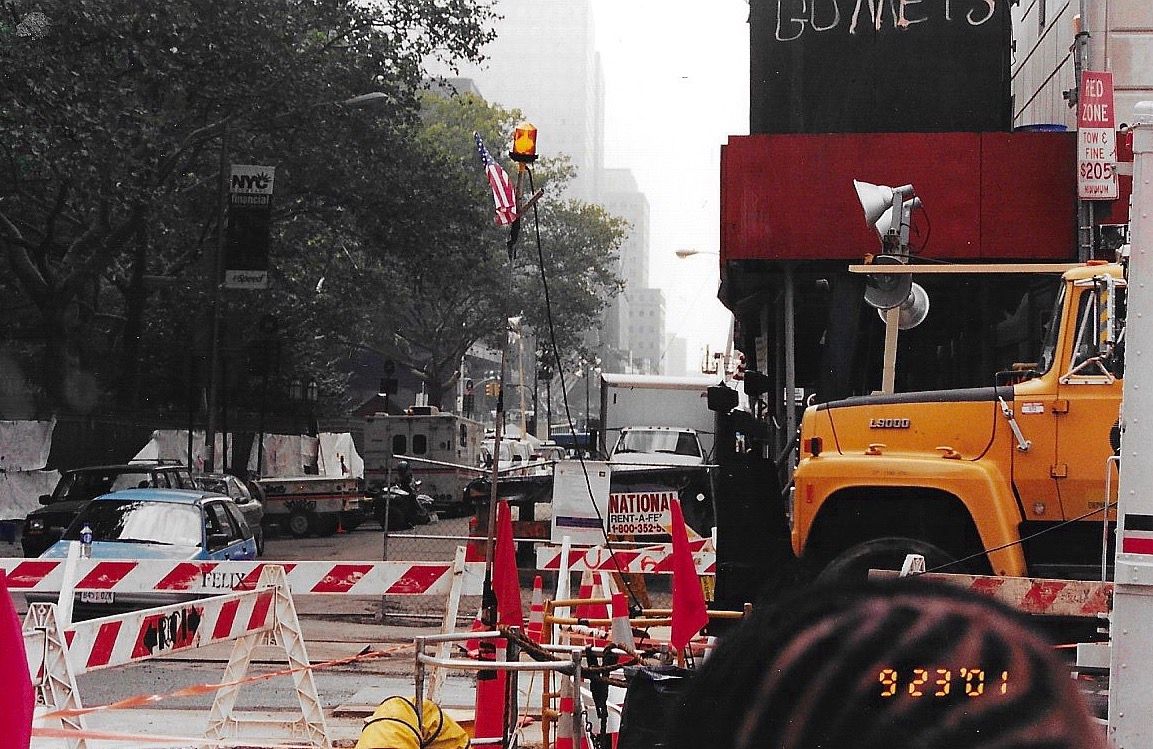

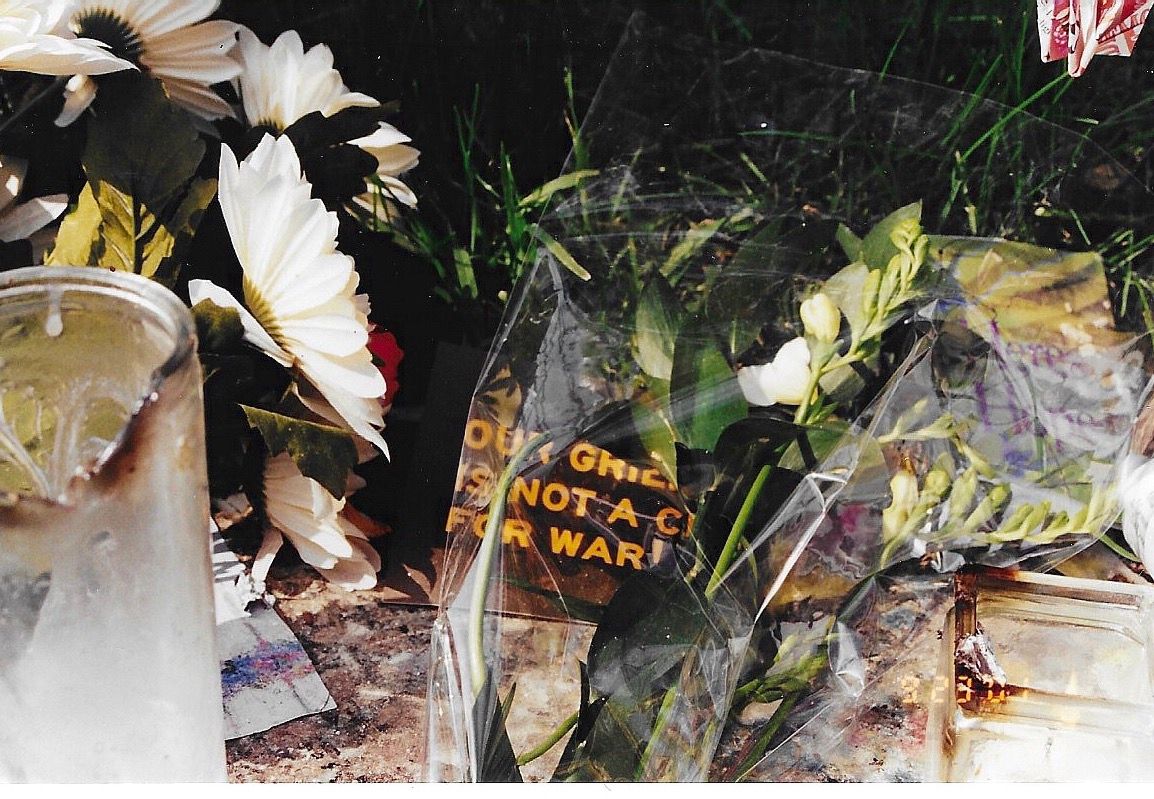
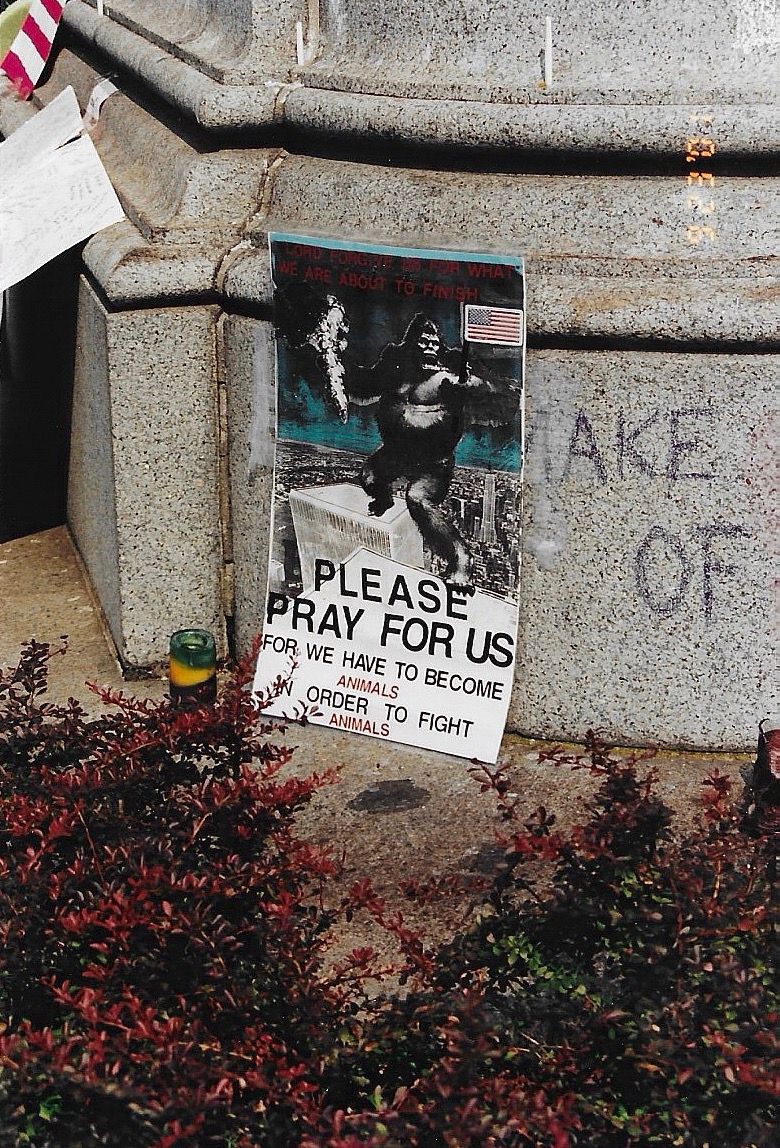
Special thanks to Joel Neff and his mother, Donna Neff. The accompanying pictures were taken by Joel 12 days after the WTC attack.
Joseph & Josephine Zubeck’s Quest for the American Dream
During the first decade of the 1900s, tens of thousands of Czech and Slovak immigrants came to the United States in search of the American dream. They hailed from the Czech lands of Bohemia, Moravia and Slovakia which were all part of the Austro-Hungarian Empire before 1918 and World War I. From 1900 to 1910, official U.S. immigration records did not list “Czechoslovakia.” Instead, these immigrants were categorized by their language or broader empire of origin and were often listed under Austria or Hungary. Many had been encouraged by fellow immigrants who sent glowing letters home about American jobs and land availability. Hoping to escape poverty, religious discrimination, the military draft and political and cultural repression, they arrived on American soil ready to roll up their sleeves and get to work.
Josephine Horcik was born in Prague, the daughter of a railroad worker. She had learned about the glowing prospects in the U.S. from rich Americans passing through her European country. At the tender age of 17, she sailed to America and landed at Baltimore where she was to meet a family who had paid her passage and for whom she was to work as a maid. Josephine spoke both Bohemian and German but not English. She was not able to communicate and became bewildered and lost in the city. A friendly German police officer guided her to an American family who hired her to do household work. The year was 1905.
Two years earlier, Joseph Zoubkova had immigrated to America aboard the Koenig Albert to the port of New York. Joe, as he was familiarly known, was a native of Moravia. He Americanized his surname to Zubeck, and according to the 1910 census, he did speak English.
As fate would have it, the two met at a party of Bohemian immigrants and were soon married. Son Frank was born in Michigan. Thomas was born in Pennsylvania, and Joe Jr. in Ohio. Another son died soon after birth. In 1911, the Zubeck family came to Southwest Kansas, answering the call of the U.S. Sugar and Land Company (later Garden City Company) for people to work in the sugar beet industry. Both Joe and Josephine had worked similar fields in their home country. Joe was hired and placed in charge of maintaining irrigation pumps in addition to farming.
When they arrived at the Deerfield train depot, they were greeted by the sugar company’s people who took them first to eat and then to the house near Deerfield where the family would live. Josephine was amazed that not only was the house furnished but even the beds were made up with sheets and blankets. Sons Jimmy, John and Bob were added to the fold, but another son and two daughters died in infancy. In 1912, Joe applied for his naturalized citizenship.
Joe excelled at farming. In June of 1926, the Garden City Telegram gave the following report on his beet crop, “A PROGRESSIVE FARMER: Finney County residents who have taken a trip up the valley along the trail have remarked frequently about a field of beets on the hill just beyond Deerfield. These beets are fully a month in advance and most beet fields, are a good stand, well cultivated, and in fine condition – the kind that makes the big yield when the digger digs.” According to the article, factory people said that Joe did that kind of farming with all his crops. He also grew alfalfa, wheat and sorghum and raised cattle too.
Joe’s successful farming was also mentioned In Conquest of Southwest Kansas. He reportedly had 10 acres of beets that averaged 18 tons an acre and 10 that averaged 15 tons per acre in 1930, exceeding the overall average in the area of 12 tons per acre. Then came the Great Depression. According to granddaughter Pam Zubeck Cunningham, the family went to Ohio to work and had been there less than a year when they returned to gather the rest of their possessions in 1937. They never made it back to Ohio. Instead, Joseph met an untimely demise that October when he was killed almost instantly in a head-on collision on HWY 50 east of Deerfield. He was only 52.
Josephine and her sons stayed and continued to work the farm. The rains returned, and in a 1944 letter written in her native tongue to a Chicago Bohemian newspaper called, “Hlasatel,” Josephine wrote about their abundant crops. “Yields were good: barley yield was from 25 to 60 bushels and wheat from 30 to 50 bushels so that there will be plenty of bread.” But she also talked about hunger. “Here is how my son writes to me from Italy: “Mommy, you have already seen enough, but you have not yet seen so many hungry people like here. As soon as we sit down somewhere, we have children around us, they beg for food, we give them what we have, including potatoe peelings, what we throw away from the kitchen. The children eat everything. May the wheat or flower be shipped to them.” John was serving during World War II and was injured twice in battle as an infantry soldier but was treated in field hospitals and remained in the service. He received the Purple Heart with one bronze oak leaf cluster, bronze arrowhead, the Good Conduct Medal and American Defense Service Ribbon. After his tour of duty, John returned to Deerfield and worked for Harley Rector and the Santa Fe Motor Co. before moving to Garden City where he was a welder for East Side Iron.
In addition to farming, Frank worked for Santa Fe Motors as a mechanic. Jimmy was a lifetime farmer and also a Lynx corn seed dealer. Joe, Jr. farmed and was a carpenter. Thomas never married but lived with his mother until her death. He and Bob farmed together, and Bob also raised hogs and cattle on a small farm a half mile south of Deerfield. That operation was moved to their farm north of Deerfield in 1965 when the great flood came roaring down the Arkansas River and covered the valley with flood waters. Bob later worked for Central Power Inc. and a John Deere dealership in Garden City.
Although Josephine Zubeck never became a US citizen, she did teach herself English. She was shy and reserved and kept mostly to home where she cooked with vegetables grown from her garden and baked fresh bread. The simple pleasures brought her joy, and she relished long walks in the country, referring to the trees and skies as her church. She died in 1963 a few months before her 77th birthday.
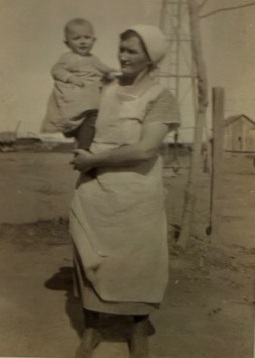
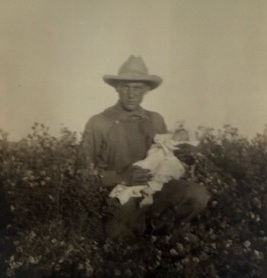
SOURCES: Diggin’ Up Bones by Betty Barnes; Harvest of Memories by Pam Zubeck Cunningham; Czech Immigration to America by Magda Jurčíková; Conquest of Southwest Kansas by Leola Howard Blanchard; museum archives; newspapers.com; Ancestry.com, and steveszabados.com. Special thanks to Pam Cunningham and Ann Zubeck Brink.
Horace Stocking, man of many talents
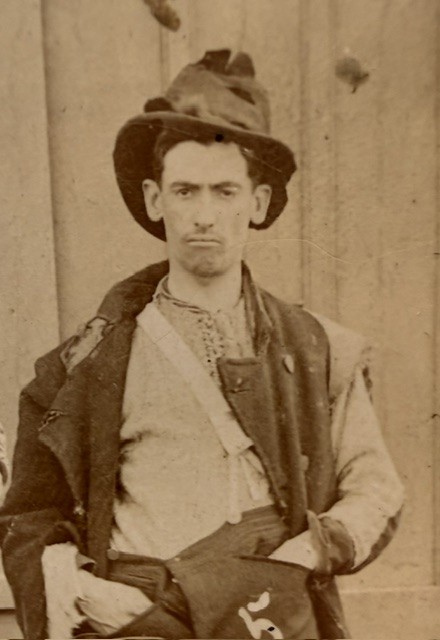
During the first decade of the 1900’s, Lakin experienced a building boom. Among the contractors/carpenters at this time was Horace Grant Stocking, Jr. Stocking was a man of many talents: performer, one-room school teacher, barber, Modern Woodmen of America deputy, county surveyor, appraiser, store keeper, representative for the Aetna Building and Loan Association, election judge, and highly active Presbyterian Church member.
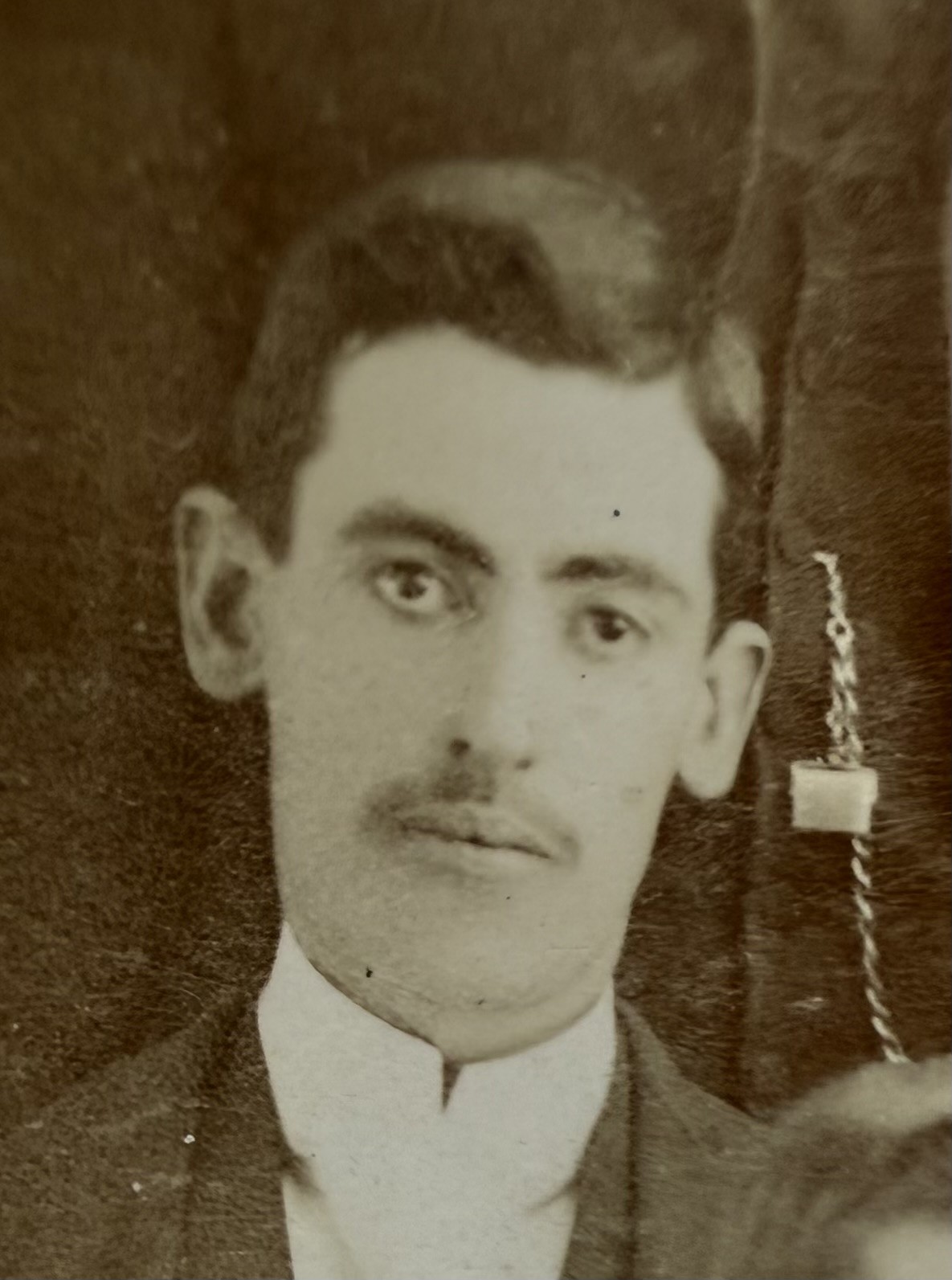
Born in 1872 in Indiana, he came to Kearny County in 1887 with his parents, Horace Grant, Sr. and Melvina Lovelace Stocking. He first taught in the rural schools, but in 1892, after spending the summer at Anthony, Kansas learning the barber trade, he returned to Lakin and opened up his own barber shop on Main Street. The following year, he married Sarah Edna Long, daughter of Benjamin and Lou Long. The couple had four sons: William, Clyde, Max, and Glen who was the youngest and died just a few months shy of his second birthday.
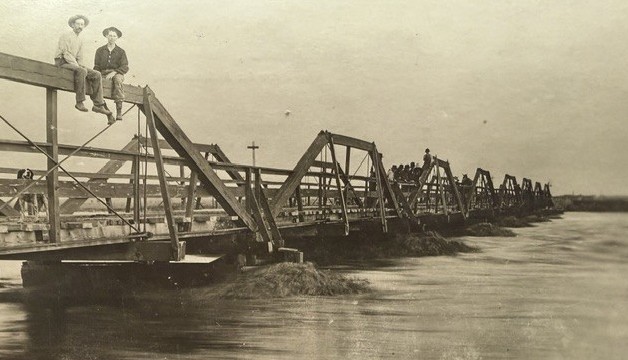
By the early 1900s, Stocking had partnered with his nephew, Will Bailey. The duo did carpentry work, painted, papered and performed general repairs. In 1905, they purchased a cement stone and brick-making machine. Stocking bought out Bailey’s share of the business in 1907. Horace and his crew not only built the city jail but several houses in town and even did some work in Deerfield. He was responsible for a good portion of the sidewalk work in Lakin not just for residences but for Main Street, along Waterman Avenue, and at the school.
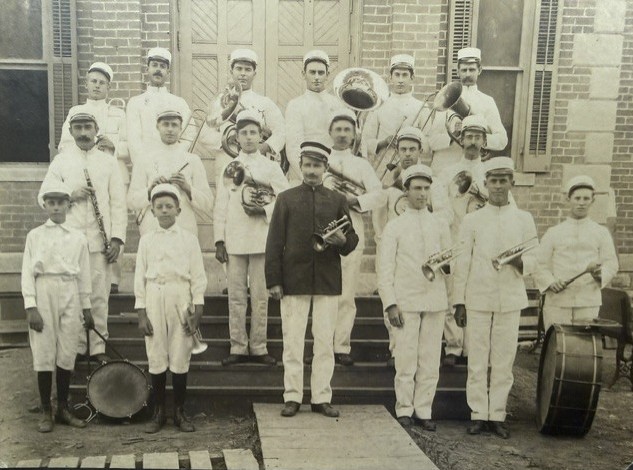
The early settlers had to depend upon their own talents for much of their entertainment and recreation, and Horace had a great deal of musical talent both as a vocalist and as an instrumentalist. He played the mellophone and cornet, performed in vocal groups, and served as music director at church. He was also known to act in local productions. He and his sister, Alice, even did a stint touring with the Ellis Dramatic Company. In 1900, The Lakin Investigator reported that Stocking had returned from a tour where he gave “elocutionary entertainments in several towns west of here with flattering results. Mr. Stocking has given a great deal of attention to his art and deserves success.”
Stocking identified with every movement to make Lakin a better city to live in. He was an active church and Sunday school worker, member of the Knights and Ladies of Security, and also served as president of the Board of Education. According to The Independent, Horace did much to make our schools successful, and his untiring effort in that line was much appreciated by the community.
In December of 1915, the Stocking family moved to Texas. Horace had been ill for nearly a year and was hoping that the Gulf breezes would improve his health. Their time in Texas was short-lived. The following year, they returned to Kansas and settled at Winfield, but Horace frequented Lakin often. He died in 1942 in Florida at the home of his son William.
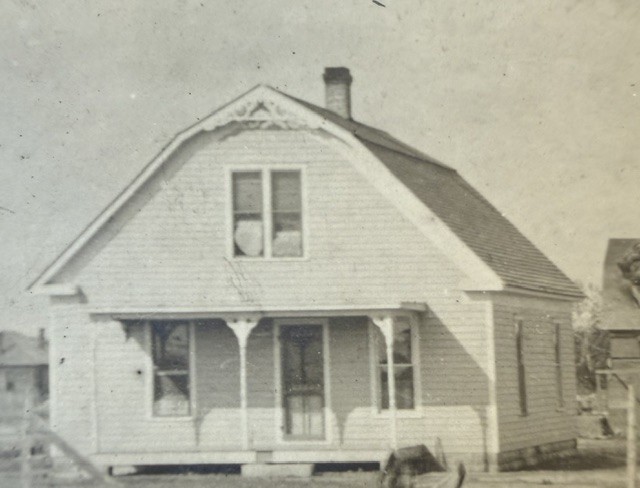
While he may not have lived in Lakin as long as some of the old settlers, Horace Stocking did leave his mark on this community, and some of his handiwork remains. For example, he was the contractor on the building where Golden Plains Credit Union is located. One of the residences he built, located on the southeast corner of Lincoln and Garfield, is currently on the market. Many know this house as the Speer home, and just across the alley to the east is the home that Stocking built for his family.
SOURCES: History of Kearny County Vol. I & II; Diggin’ Up Bones by Betty Barnes; Museum archives; and archives of The Lakin Investigator, The Advocate, The Lakin Independent, and Miami News