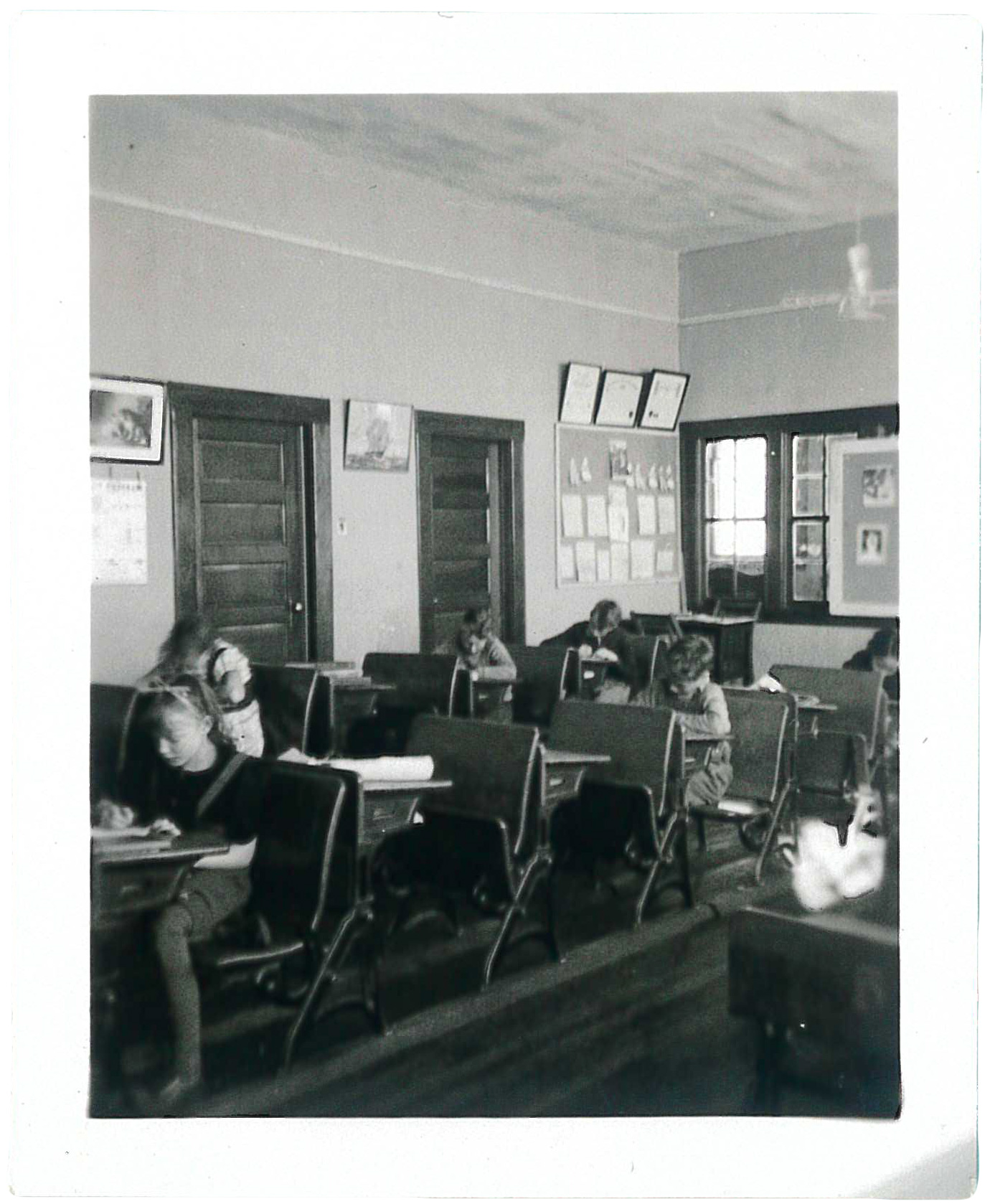
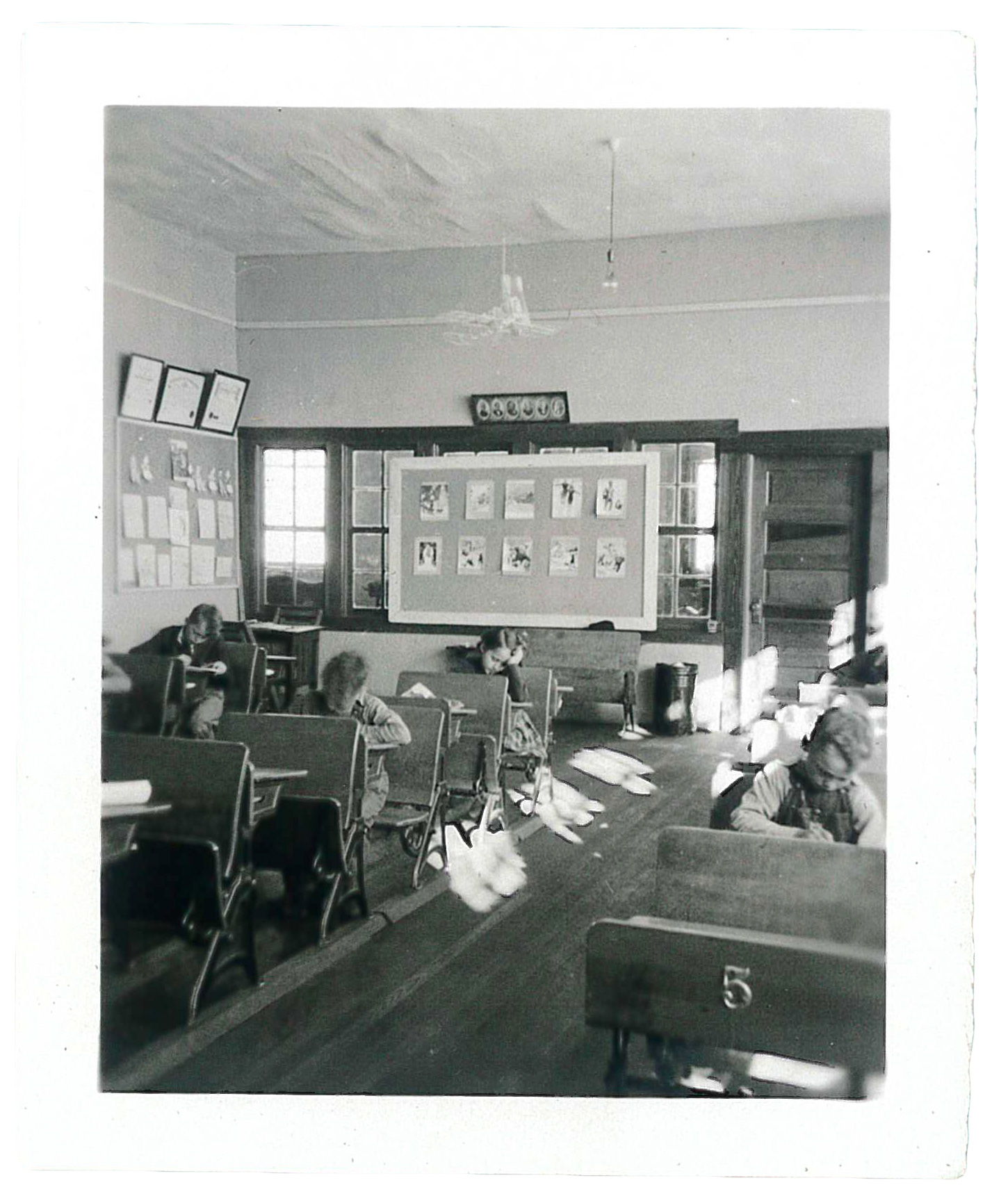
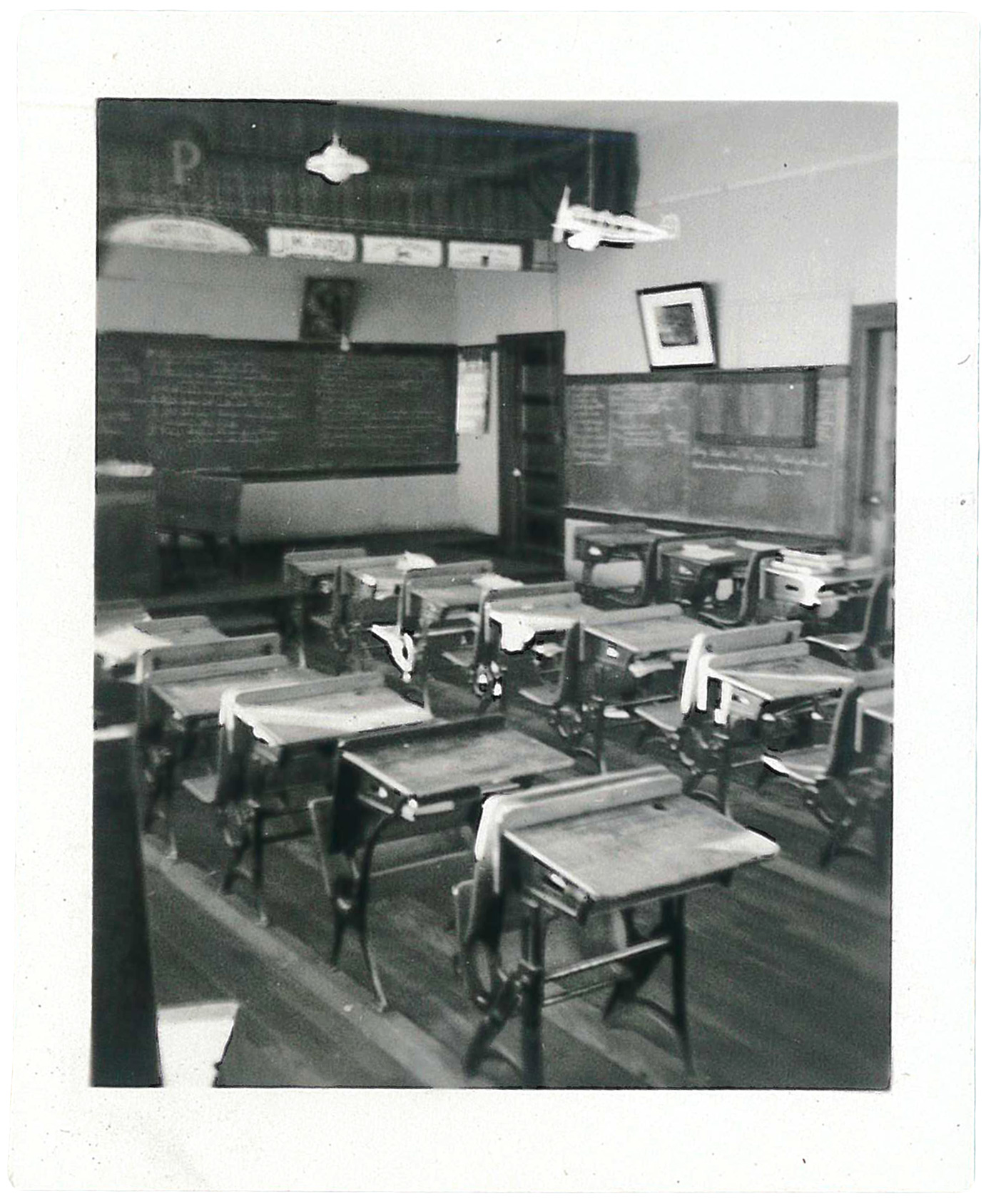
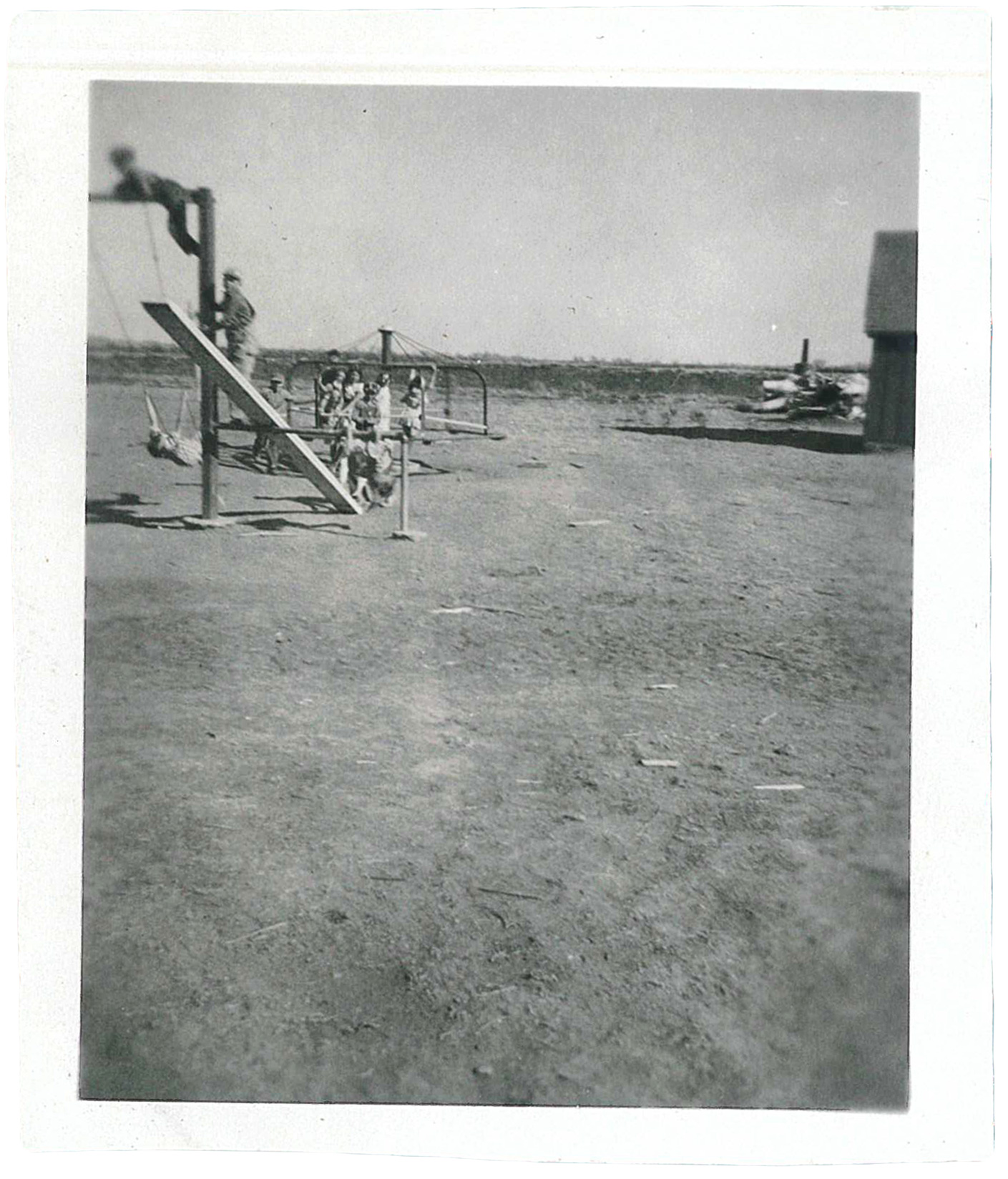
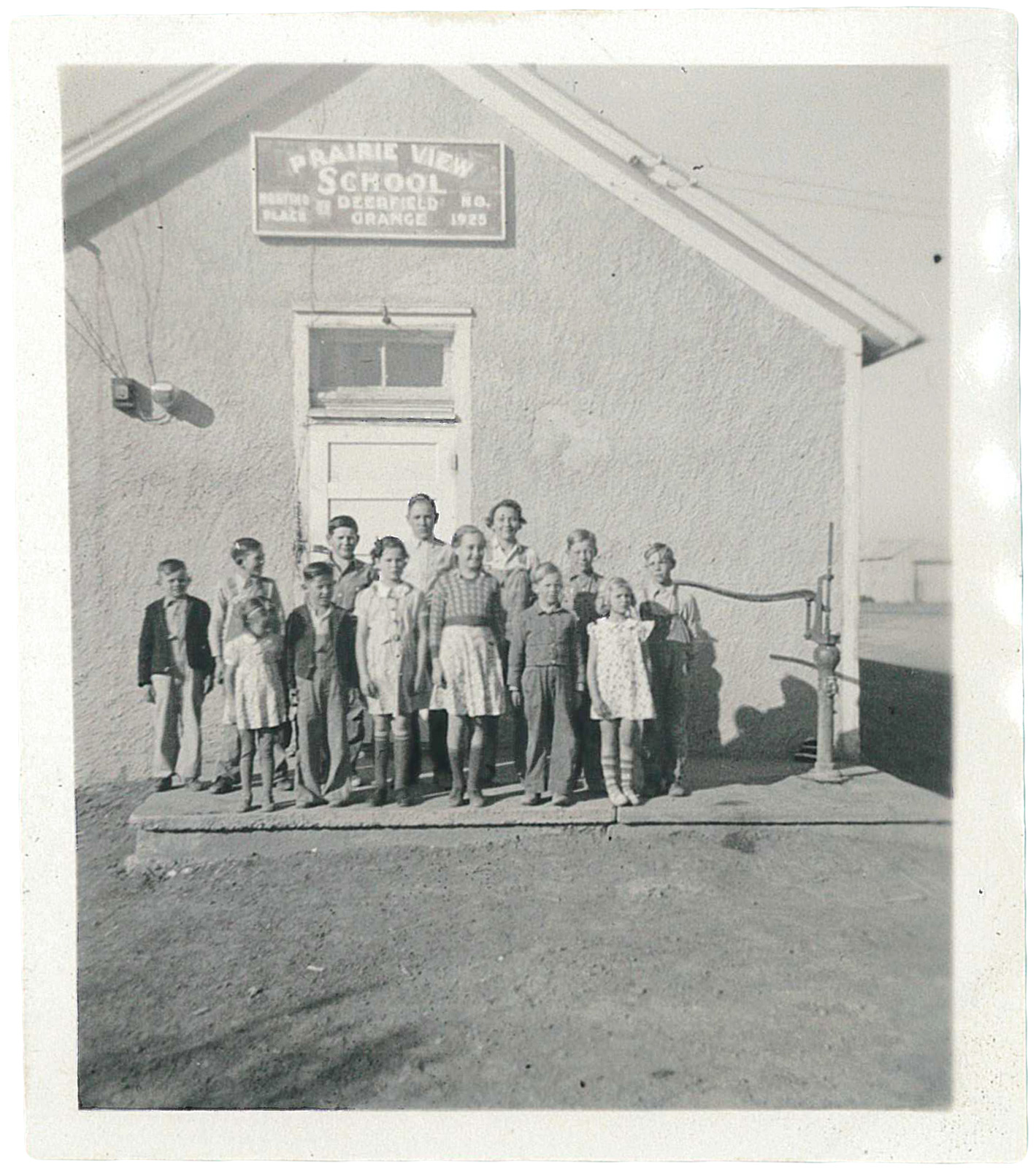
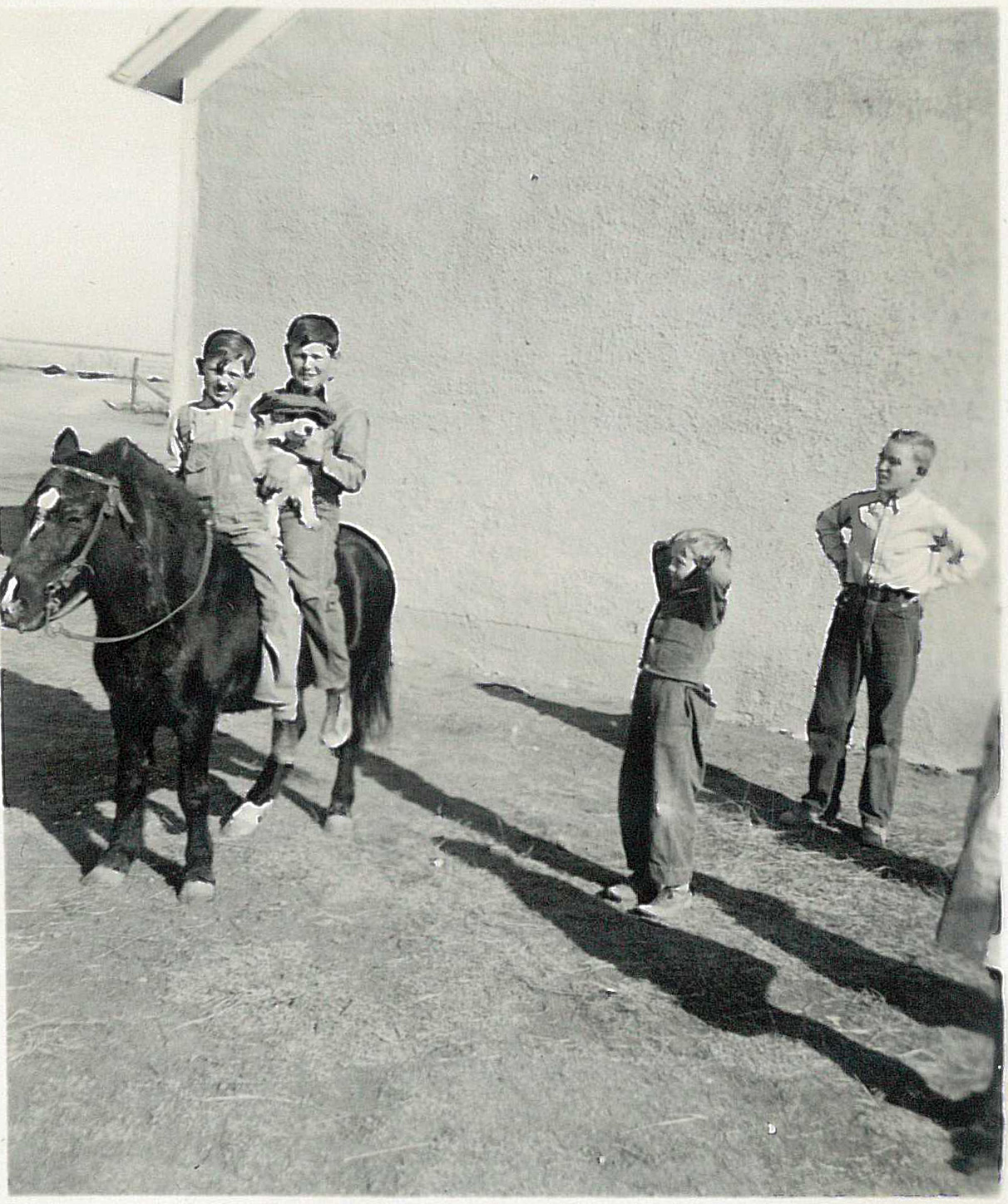
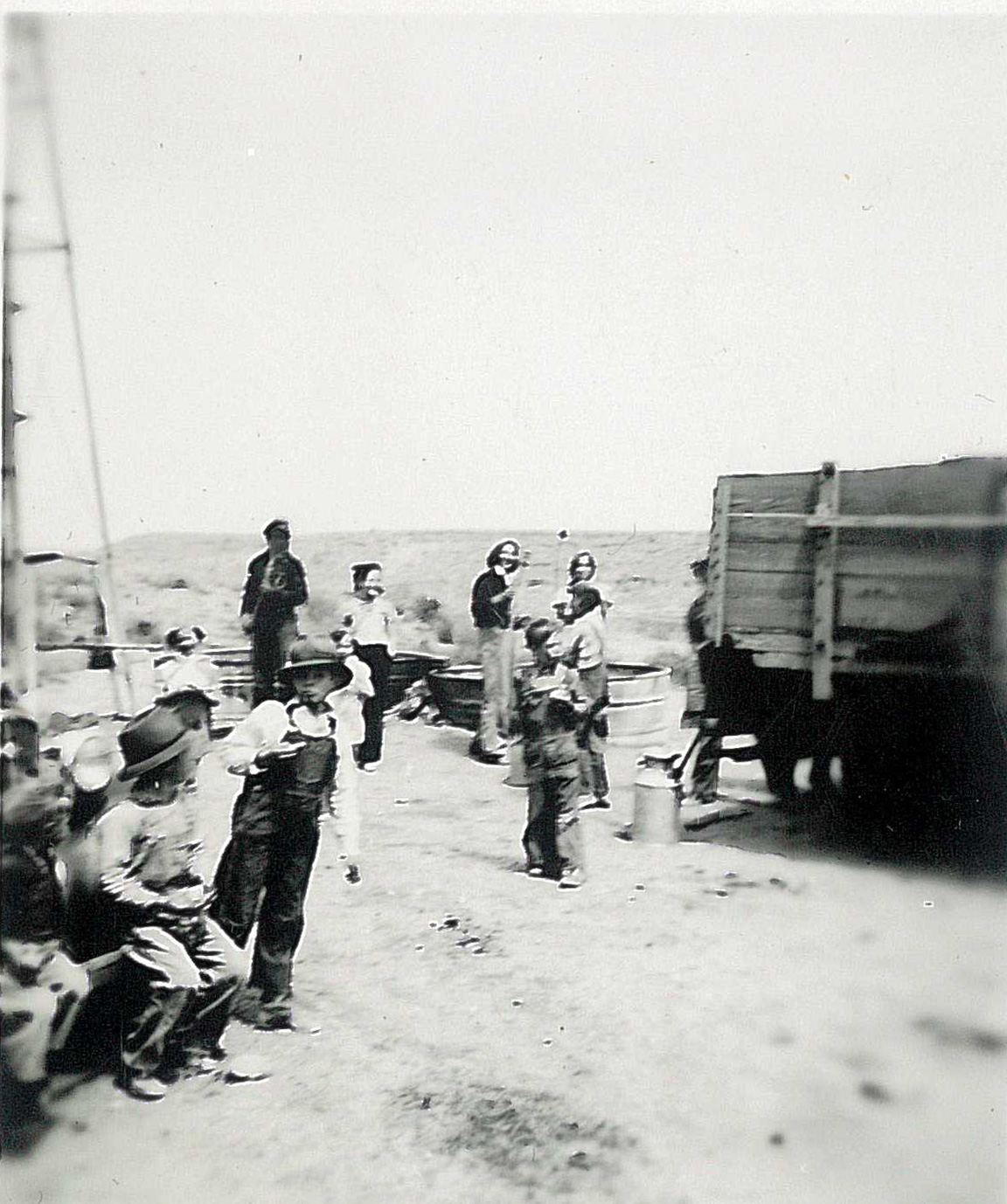
Summer break is over for Deerfield and Lakin students, but there was a time when our young ones wouldn’t have been trudging off to school until September. In the late 1800s and early 1900s, the need for a child’s labor on the family farm took precedence over his or her education. Schools ran from September until April, and during planting and harvest, it was not unusual for children to miss for weeks at a time. To meet the educational needs of farm families, one-room schoolhouses were built in rural areas.
District No. 3 was the first school district in this vicinity and was organized December 3, 1884 as part of Finney County. Prairie View school, situated about five miles north of Deerfield and on the east side of section 13-23-35, was part of this district. The little one-room schoolhouse was built in early 1887, and as one could surmise, a person could sit upon a horse at the schoolhouse and get a long-distance view of the prairie in any direction. After 1888, Prairie View was part of the Deerfield District No. 20.
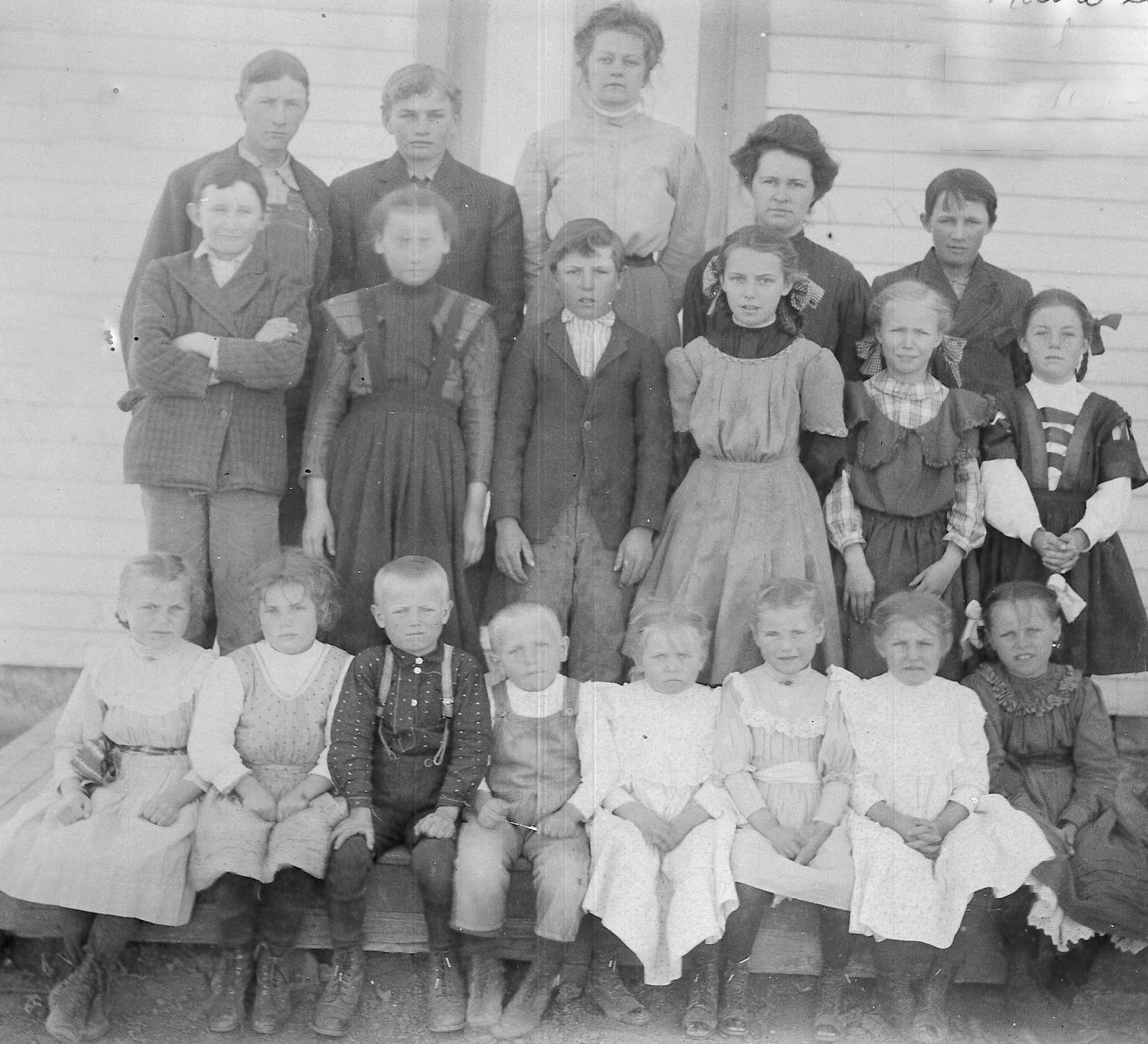
Located in rich irrigated country, Prairie View’s attendance was fairly large, and the school was described as progressive with good teachers. As was typical of rural schools, Prairie View served the first through eighth grades. One teacher taught all the grades, and the older children helped with the younger ones. A county superintendent, appointed by county commissioners, oversaw all the rural schools in the area and visited each one at least twice a year to observe the teachers and classrooms. Like other rural school students, pupils from Prairie View had to take their county diploma examinations in town at either Deerfield or Lakin.
Prairie View students typically walked to school or rode their horses, and in 1909, a barn was built at the school to accommodate the children’s rides. Aside from school work, the one-room school was also a community gathering place. Worship services, literaries, pie and box suppers, oyster suppers and Sunday School conventions were frequently held there. News of these gatherings frequently made the Prairie View section of the local papers.
By 1916, Prairie View patrons had grown dissatisfied with Deerfield District No. 20 and began to complain about what they felt was mistreatment. In 1917, the school’s patrons were allowed to form their own district as Prairie View Joint 21. Joint 21 encompassed most of the sections of township 23, range 35 in Kearny County and sections 18 and 19 in township 23, range 34 of Finney County. In 1924, the schoolhouse was enlarged and remodeled, adding cloak rooms and installing a modern heating system.
By 1945, Kansas had over 8,000 tiny school districts. Kearny County had 22 even though only 11 of the schools were still operating. Things had changed greatly on the farm scene. In addition to machinery replacing much of the manual labor, small farmers were selling out to bigger farm operations. This led to fewer and fewer kids in rural areas. Transportation had come a long way as well with bussing more readily available. Small districts lacked the funding that the town schools had, and there were concerns that rural students could be at a disadvantage because many small schools lacked modern equipment and could not provide broader curriculums.
The Kansas Legislature passed the 1945 Kansas School Reorganization Act to consolidate smaller districts into more organized and efficient larger districts. According to the May 18, 1945 Independent, schools with less than 10 pupils were to be eliminated with very few exceptions. A committee for reorganization in this county was appointed by the board of county commissioners and was made up of Leland Waechter, Frank Hoss, Charles Kuhlman, B.C. McCue and Glen Steward. Prairie View was once again consolidated with Deerfield, and the little one-room school, one of the oldest in the county, was closed to students. Although the Kansas Supreme Court reversed the Reorganization Act in 1947, Prairie View’s fate had already been sealed.
SOURCES: History of Kearny County, Vol. I; Museum archives; kslegistlature.org; and archives of Lakin Pioneer Democrat, Lakin Investigator, Kearny County Advocate and Lakin Independent. With the exception of the oldest photograph pictured, the remaining photos are from the collection of former Prairie View teacher Ethan McCue and were made available to us through his son, Michael.