Alvin R. Beaty went from renting a small patch of land in Missouri to becoming one of the most extensive land owners and stock raisers in Southwest Kansas. Born in 1850 in Carroll County, Missouri, Alvin was 18 when he rented a meager tract of land which he devoted to general farming. The energetic and determined young man met with success which afforded him the ability to buy a few acres of his own.
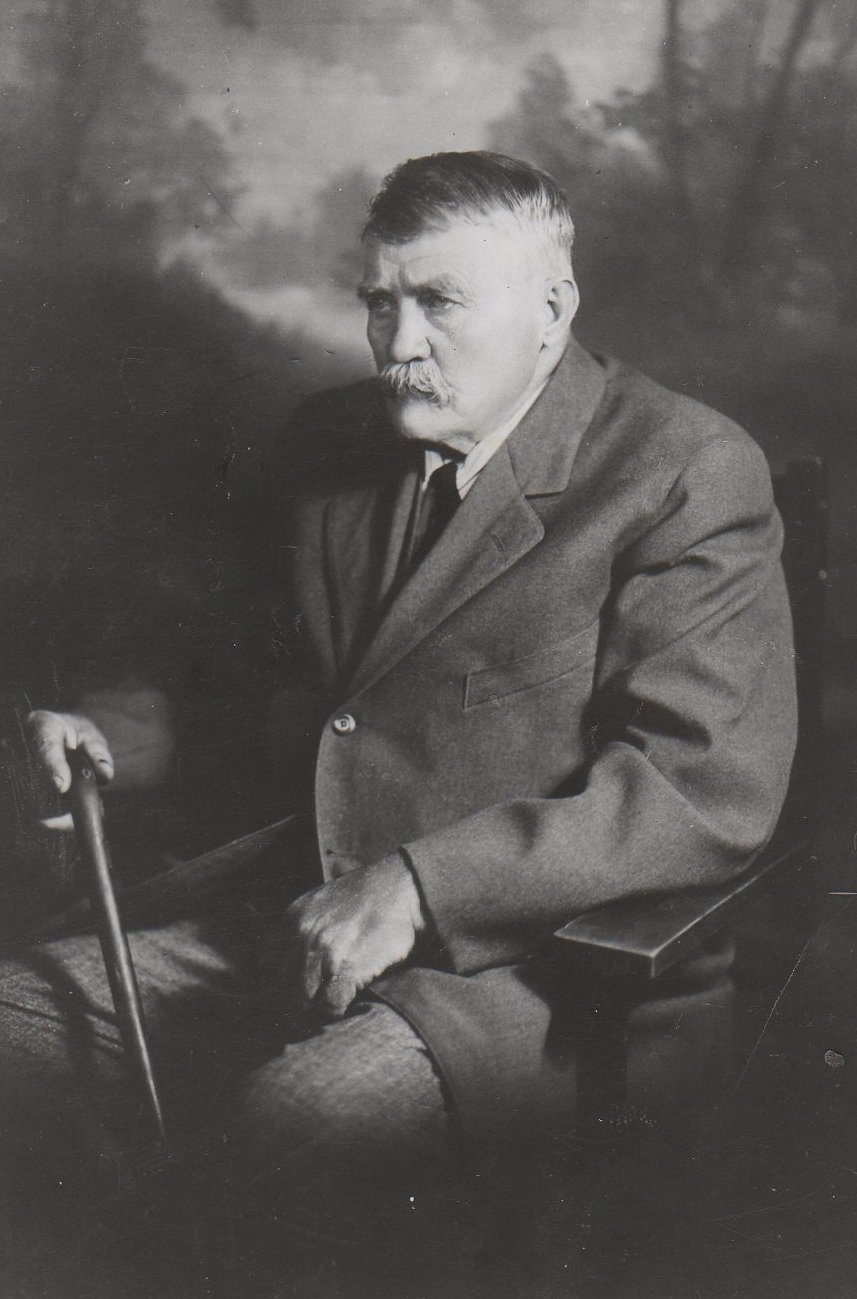
Alvin’s older brothers, James and Jasper, joined the Confederate ranks during the Civil War, but they were captured and paroled. The brothers then went to work for Uncle Sam as bull whackers freighting supplies across the plains to the soldiers providing security from Indian attacks. They wintered with their oxen along the upper waters of the Arkansas and fell in love with the beautiful valley. This led to James and Jasper settling near what is now known as Manzanola, Colorado where they engaged in raising cattle and horses. Another brother, John, joined them temporarily but then returned to Missouri and entered into partnership with Alvin.
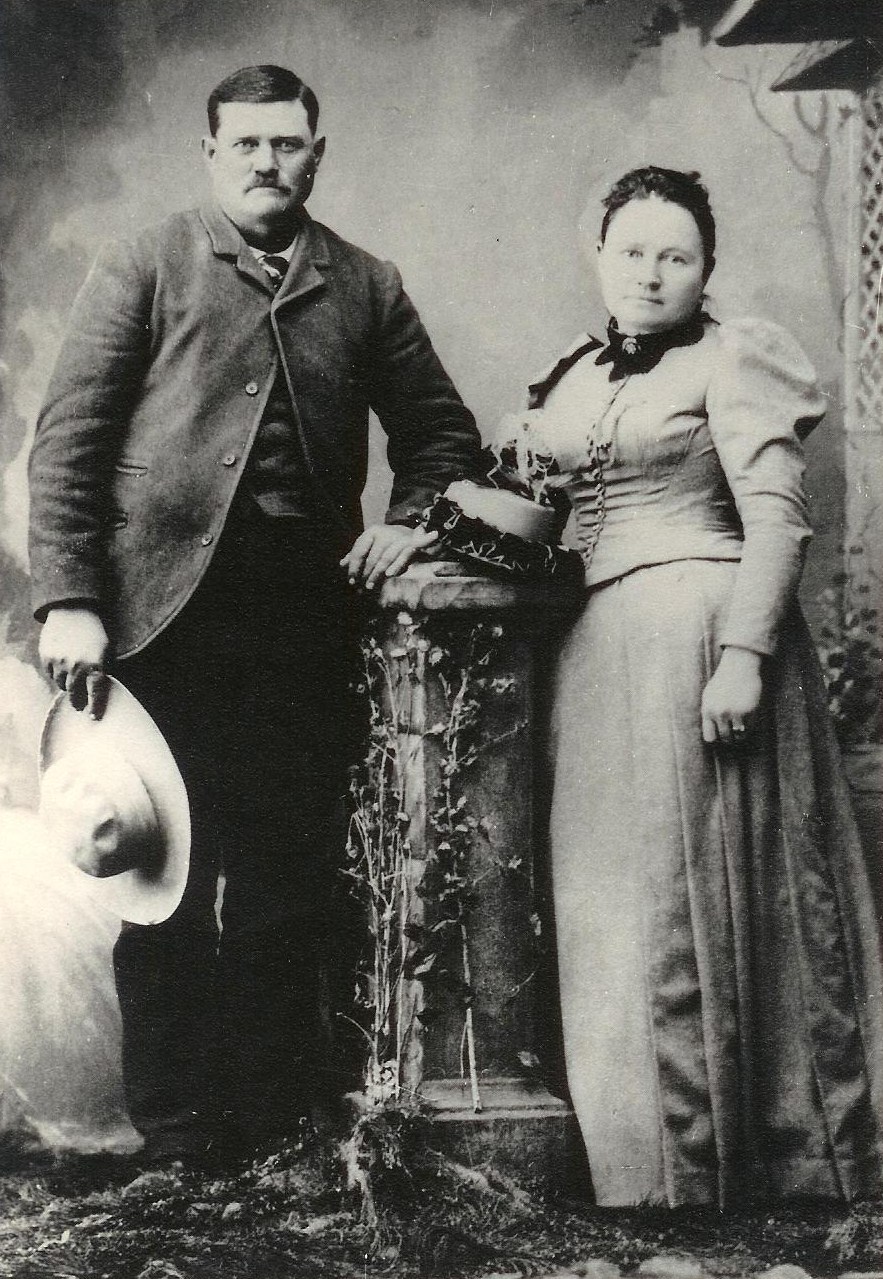
When Alvin was married to Victoria Trotter in 1874, the newlyweds visited James and Jasper in Colorado. On the return trip home, Alvin purchased a string of cattle in northern Kansas for his and John’s partnership. A few years later, Alvin and John answered the “call of the west” and came out to the plains, investing in the ranching business with James and Jasper. They then returned to Missouri to get their affairs in order so they could make the move a permanent one. In 1879, the four brothers established the first permanent settlement in Morton County when they acquired land in the Cimarron Valley at Point of Rocks and set up Beaty Brothers Ranch headquarters. This was the principal and most noted ranch in that part of the country, and many trails that led from fort to fort and from trading post to trading post passed the Point of Rocks. At different times, the Beatys had as many as 30,000 head of cattle on their brand.
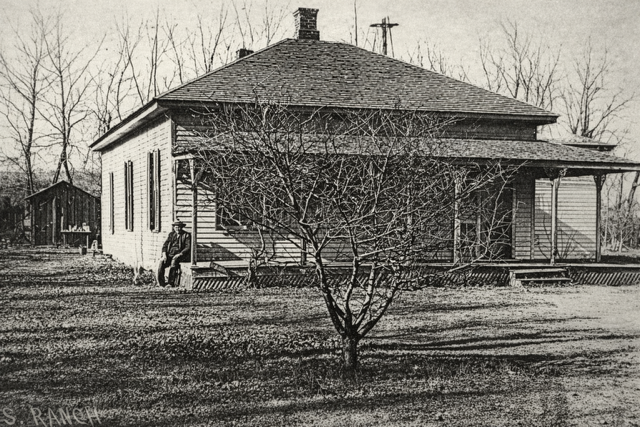
Alvin was determined to find a place to settle down near the railroad that had a school for his children. He entered a tract of land adjoining the present site of Lakin to the south which contained acreage on both sides of the Arkansas River. While the land north of the river was good loam soil, the land on the south was a little sandy for cultivation but good for pasture. Irrigation was available from two good canals, and Alvin’s new homestead eventually had a grove of shade trees, a large orchard of peach, plum, cherry and apple trees, and highly productive fields of alfalfa. He built a four-room house and made other necessary improvements and brought Mrs. Beaty and their three children – Russell, Ethel and Ralph – to this home in April 1885. Another child, Ida, had died at 18 months of age in Missouri.
Like others, the Beatys suffered heavy losses in the winter of 1885-86. Of thousands of head of cattle turned loose in the fall, only hundreds were gathered the following spring. Undaunted, the brothers kept at work, extended their credit to the utmost, and prospered. When an extensive drought struck in the late 1880s, followed by the nationwide economic depression of the early 90s, the homesteaders who had so eagerly flocked into the new country found they could not make a living. Southwest Kansas was nearly depopulated. Alvin bought up many claims of homesteaders and pre-emptors, acquired tax titles, perfected land titles, and in time came into possession of large tracts of land in Grant, Stanton, Morton and Stevens Counties. Cattle could be driven north from these ranges to the home pasture at Lakin for a rest before being shipped out on the train.
Beaty Brothers disposed of their holdings along the Cimarron in 1898, selling 18,000 acres of land and 12,000 head of cattle. Farming by irrigation had taken a large place in the business of each man as did banking. While James and Jasper were identified with banking in Colorado, Alvin served as president of the Lakin State Bank. In 1905, A.R., John, and Jasper organized the Valley State Bank at Syracuse with some local partners, and all four brothers served as president of that institution successively.
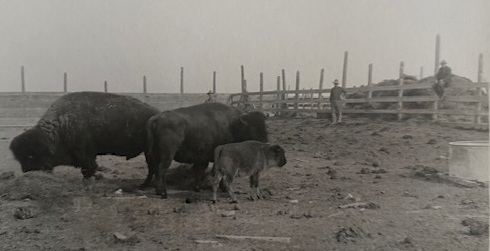
Alvin also became interested in horse raising and dealing, and his Percherons and white-faced cattle became widely known. He also had a penchant for cross-breeding and attempted to cross buffalo with domestic cattle to create a breed known as “cattalo.” Buffalo occupied corrals near Beaty’s home for many years and several generations of buffalo. When plans for the state buffalo refuge were completed south of Garden City, Beaty’s animals were moved there.
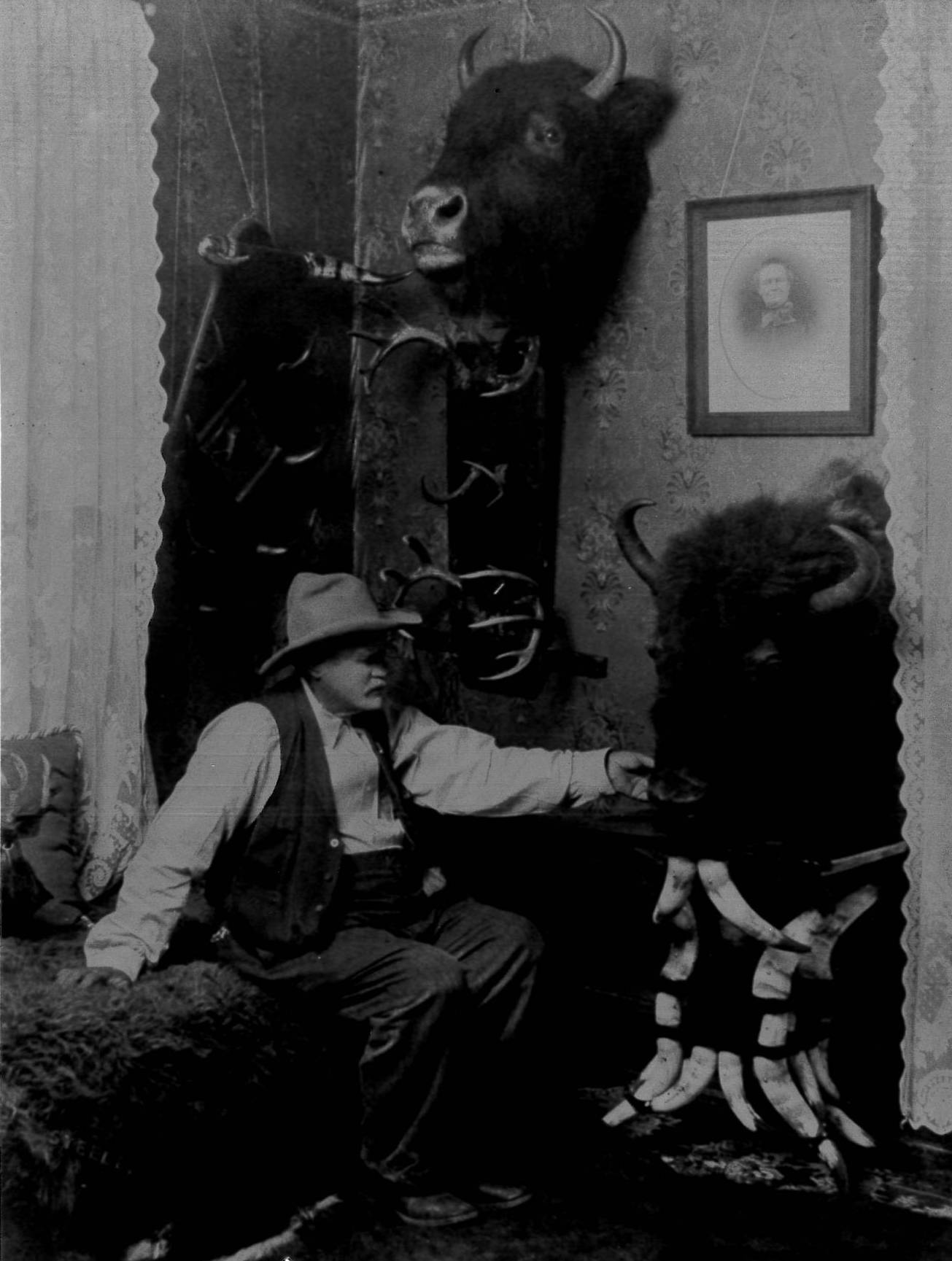
Victoria, Alvin’s beloved partner in life, died in 1910 and Mr. Beaty in March of 1926. They were laid to rest in the Beaty mausoleum at the Lakin Cemetery. The Vermont granite mausoleum was completed in 1911 and said to be the only one between Wichita and Colorado Springs at that time. When Alvin died, he still owned many thousands of acres of land in Grant County which was then believed to be the largest solid body of land under individual ownership in all of Western Kansas.
SOURCES: Diggin’ Up Bones by Betty Barnes; History of Kearny County Vols. I & II; A Standard History of Kansas and Kansans written and compiled by William E. Connelley; Old Timers News Year book 1976; findagrave; and archives of The Advocate, Syracuse Journal and Lakin Independent.