Lakin’s founding father also had claim to fame in Hodgeman County

We would be remiss if we let this week pass by without a little write-up about Lakin’s most famous Irishman, John O’Loughlin. Those familiar with his story know that O’Loughlin was the first permanent settler of Lakin, but he had already made a name for himself prior to his arrival here in the spring of 1873.

O’Loughlin was born in 1842 at Ennistymon, County Clare, Ireland. He was one of five children born to Peter and Margaret (Considine) O’Loughlin. John lost his father and two of his siblings during Ireland’s great potato famine. His mother re-married, and the family moved to America when John was six years old. He attended Catholic Parochial school in Dubuque, Iowa. John’s stepfather, Andrew White, began a freighting business but was killed by lightning shortly afterwards.

When John was big enough to harness up the horses, he went to work, and he was out on his own by the age of 17. When the Civil War began, O’Loughlin freighted for the Army as a government teamster in the department of quartermaster at Fort Leavenworth. After the war, he continued with the Army, driving wagons to all the western outposts. John was along on several expeditions against the Plains Indians serving beside Generals Hancock, Sheridan and Custer. The experiences were certainly dark spots in his life, and he never spoke about them. John left government service in 1869.

After years of traveling the trails, O’Loughlin knew that both Army and civilian wagons on the military road had trouble crossing Pawnee Creek about 40 miles north of Dodge City. After he left government service, O’Loughlin built a toll bridge from poles cut along the creek. The crossing was an important part of history before the Santa Fe Trail became the artery to the Southwest. In O’Loughlin’s stockade, he had a well and a collection of dugouts which were used for a store, bedrooms and eating rooms. John sold a range of groceries and served meals at all hours, night and day. The first white settler in what was later named Hodgeman County, John thrived by doing business with the Army, buffalo hunters and trail travelers. Well-known names such as President Hayes, “Wild Bill” Hickock, “Buffalo Bill” Cody and Jesse James were recorded in his register.

O’Loughlin sold his lucrative little business to George Duncan after the railroad reached Dodge City in 1872, and the site on Pawnee Creek became known as “Duncan’s Crossing.” With the arrival of a new proprietor, the trading post took on a new look. Log buildings replaced dugouts, and a 10’ high stockade was built to enclose the buildings. A secret tunnel to a dugout some distance away provided a last stand should the stockade be overtaken by the Indians. Eventually Duncan was appointed postmaster for the crossing, and the toll bridge continued in operation until a flood washed the structure away. Duncan increased the acreage of his homestead to completely encompass the stockade, but by 1879, he had abandoned the homestead. The Duncan family moved to Topeka, and workers from the Mudge Ranch west of Hanston hauled away the stockade for firewood. So went the rest of the buildings in time.

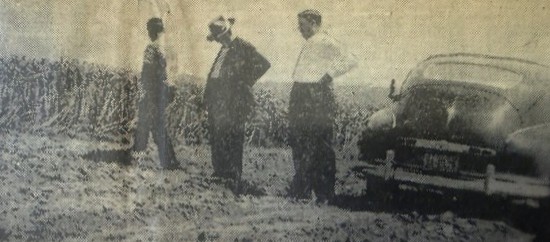
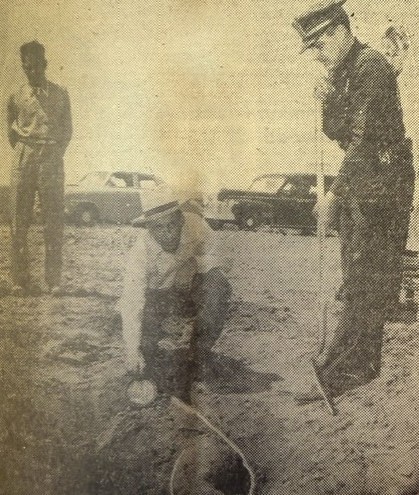
In October of 1929, a granite marker was placed at the site by the Hodgeman Community Ladies Aide Society. George Duncan was the featured speaker, and several members of the O’Loughlin family including John’s wife, Mary, and four of their children were present at the dedication. In 1989, a group of volunteers repaired and restored the marker, and in August of that year, a group of 250 to 300 people assembled at the site for a re-dedication of the monument. Third, fourth and fifth generations of the O’Loughlins attended as did descendants of the Duncan family. Both families were recognized.

Duncan’s Crossing marker, Hodgeman County, Kansas.
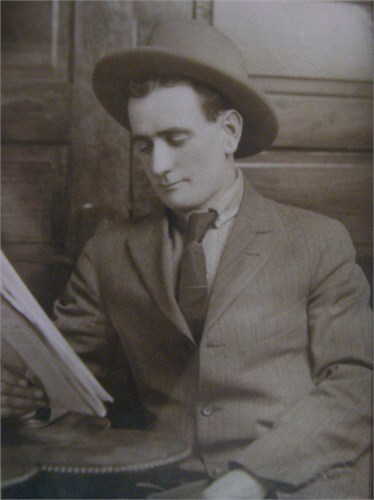
George Duncan at the 1929 monument dedication. Picture from September 24, 1953 High Plains Journal.
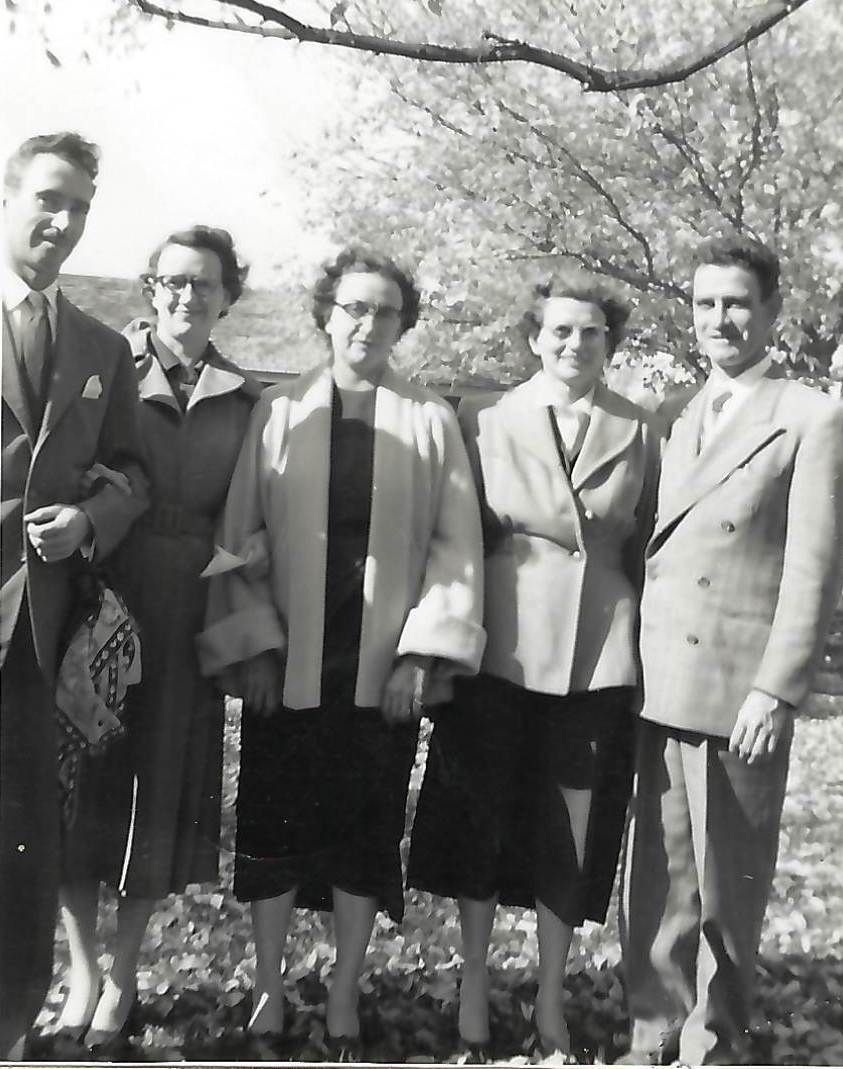
Four of John O’Loughlin’s children were present for the original dedication of the Duncan’s Crossing marker in 1929. Sixty years later, these third, fourth and fifth generation family members gathered for the re-dedication of the monument in Hodgeman County.

SOURCES: Archives of the High Plains Journal, Jetmore Republican, and Lakin Independent; santafetrailresearch.com, and Museum archives.

Remembering Joann Wiley: Kearny County’s first female Silver Haired Legislator

The Kansas Legislature established the Kansas Silver Haired Legislature in 1982 as a unicameral body of representatives ages 60 or older who advocate for the 60+ demographic. The KSHL is composed of 125 representatives from all 105 Kansas counties with extra delegates for the larger counties of Shawnee, Sedgwick, Wyandotte and Johnson. Legislators are elected by peers in their county, and they serve on a volunteer basis. Annual sessions are held at the Statehouse in Topeka to discuss and propose legislation regarding healthcare, property taxes, transportation, and other topics relevant to senior citizens. Legislators develop bills and resolutions to address identified concerns, present those resolutions to the Kansas Legislature and Governor as recommendations for state policy, and testify at hearings held regarding proposed KSHL Legislation.

Joann Wiley was Kearny County’s second Silver Haired Legislator and first female SHL. She began her service at the organization’s fourth annual session in November of 1986, taking over for Harold Walker who was killed in an automobile accident. Public service was always in Joann’s blood. Her father was an attorney and spent much of his working career either as a county attorney or county judge. “My own interest in politics may have come from experiencing the excitement of campaigning, the speeches, the pie suppers and meeting lots of people,” Wiley said. “My father’s favorite opening speech was always, “All of these candidates are asking for your support. I’m asking for your vote. If I’m elected, I will support myself.”

Born in Tahlequah, Oklahoma in 1924 to Arthur Evans Robertson and Jennie Lind Bailey, Joann was nine years old when her family moved to Hulbert, Oklahoma. She graduated first in her high school class at the age of 16. Joann worked at Camp Gruber Training Base in 1943 during the war effort, and she attended Northeastern State College where she graduated in 1945 with a degree in business education.

“On looking for a teaching job, I found Kansas to be paying high salaries. Margaret Coder and I came to Lakin in 1946 as members of the high school staff. Kay Loeppke was also on staff at that time. We were Miss Robertson, Miss Cate and Miss Crowder, not Ms.,” Joann reminisced. “That year also began my life as a Kansas Jayhawk.”

At Lakin, Joann met her future husband, Clyde Coder Wiley, Jr. Clyde’s parents were pioneer homesteaders in Kansas, and he was born, reared, educated and lived in Lakin all of his life. Clyde and Joann made their home with their two children, Linda and Rob. Rob was 20 years old when he was killed in an automobile accident in 1953. Linda married Howard Hasler, also a Lakin graduate. Joann and Clyde had 39 years together as husband and wife until his death in 1986.

Joann began working as a social worker in June of 1966. At that time, the County Commissioners served as the welfare board, and Harold Walker was the welfare director. Later, the welfare office became part of the State Department of Social and Rehabilitation Services. Joann did a lot of traveling and provided services to three counties during her tenure with SRS. Beginning in 1982, she was based out of the Garden City office as the Adult Service Worker.

“I officially retired on June 30, 1987. Looking back over the years, I can’t believe I did all the things I did. I only hope there were some lives I made a little better with the services I provided,” Joann reflected.

Anyone who knew Joann knew she gave of her time unselfishly to make life better for others, and she continued to do so in retirement. One way was through her dedication to local seniors as their Silver Haired Legislator. She was re-elected to this position in the spring of 1987 and was appointed to the Kearny County Council on Aging by virtue of her KSHL office.

Joann later moved to Lawrence where she also served in the Silver Haired Legislature including a stint as Speaker Pro Tem. As a Silver Haired Legislator there, she testified before both House and Senate committees. Joann also became active in multiple clubs at Lawrence including Kiwanis, Lions, Town and Country Republican Women, and the New Horizons Band. She enjoyed bowling and golfing into her 90s and was a haiku master. Joann Robertson Wiley died at the age of 99 in April of 2024. Women’s History Month is a perfect time to remember Joann for her service to others and particularly to Kearny County.

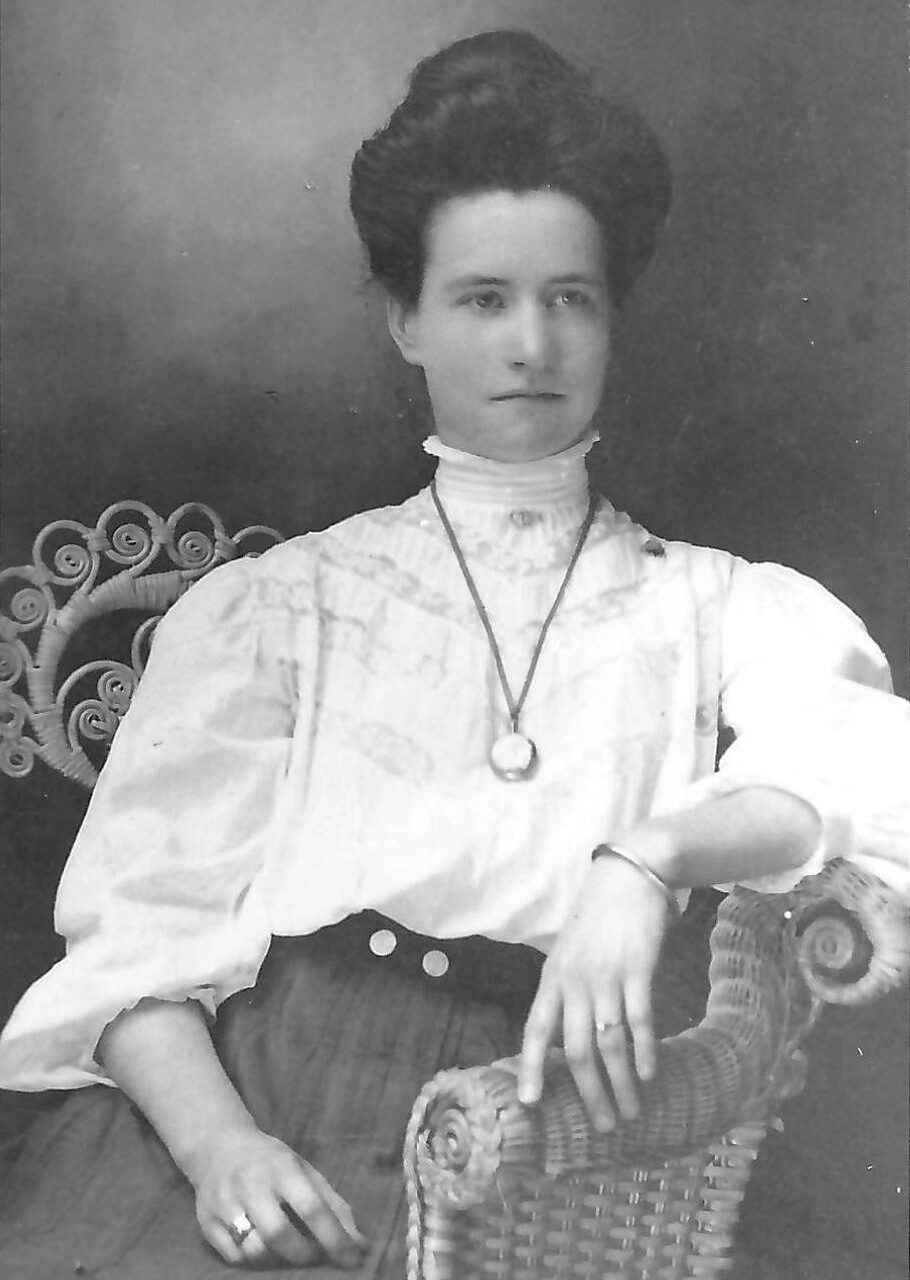
Joann Wiley representing Kearny County at the 1986 Kansas Silver Haired Legislature Annual Session in Topeka.

SOURCES: August 1987 Meadowlark Notes, newsletter of the Kearny County Senior Center; Diggin’ Up Bones by Betty Barnes; History of Kearny County Vol. I; archives of The Lakin Independent, Bonner Springs-Edwardsville Chieftain, and The Mercury; kslegislature.gov; and kansas-shl.org.


Former Director an award-winning Santa Fe Trail buff

Pat Heath is pictured holding her Santa Fe Trail Ambassador Award.

Every year since 1987, March has been designated as Women’s History Month by presidential proclamation. The month is set aside to honor women’s contributions in American History, and this year’s theme is, “Leading the Change: Women Shaping a Sustainable Future.” The late Patricia Heath was one such leader, and the Kearny County Historical Society takes this opportunity to recognize her contributions to our community and our organization.

The daughter of Clifford Harry and Ida Mae Armstrong, Pat was born in Chicago in 1923. She was six years old when her mother died from pneumonia, and her grandmother moved in to help raise Pat and her younger sister. Pat’s father was a commercial printer who won awards for his work, and the family moved numerous times to where the best printing jobs were. Pat attended 13 different schools growing up and lived in Chicago, Detroit, Atlanta and Nashville.

In 1943, she married Alexander Peter Ustick, and two children were born to this union. Pat’s husband was a cook in the Navy, and she worked as a tooth clerk for S.S. White, a dental supply company. After the Usticks’ divorce, Pat’s sister and brother-in-law, who were living in Edmond, encouraged her to move to Oklahoma with the children. Pat took a job as a tooth clerk for Reeve Dental Supply in Oklahoma City where she worked for 31 years. She married again in 1955, and her second husband, Russell Heath, preceded her in death in 1981. Pat then moved to Lakin in 1982 to be near family. She helped with her young grandsons, but eventually went to work for the Kearny County Library part-time.

Pat started studying Kearny County history, and in 1986, she joined the Kearny County Historical Society. She was elected to the board of directors the following year and began serving as secretary. In 1991, she was hired as Museum Director, a position she held for 14 years. It was often said that Pat knew more about local history than many life-long residents, and she was always eager to share that history with others. Pat was honored by the Kansas Museum Association, receiving a distinguished service award for community service in 2005.

Pat also became a “Trail Junky.” In 1986, she attended a week-long Santa Fe Trail workshop and was hooked. She became a charter member of the Santa Fe Trail Association and attended every SFTA Symposium and Rendezvous through 2004. Pat was also hostess to the SFT Bicycle Treks from 1995-2004, arranging a place for the bicyclists to camp the night they spent in Lakin as well as a local caterer to provide supper, breakfast and a sack lunch. She also opened the museum for any cyclists who were interested in a tour. For her efforts in preserving, promoting and protecting the Santa Fe Trail, Pat was named Santa Fe Trail Ambassador in 1997. She was only the eighth person to be bestowed with the honor. At the SFTA’s 2018 Rendezvous, Pat was posthumously inducted into the organization’s Hall of Fame.

Patricia Heath died July 8, 2006, but her devotion to our museum has not been forgotten. Her love of history lives on in her children. Daughter Linda Peters is the president of the Kearny County Historical Society, and she has also been active in the Santa Fe Trail Association. Pat’s son, Mike Ustick, is a former Kearny County Museum employee.


SOURCES: National Women’s History Museum, archives of The Lakin Independent and Museum archives.

A.R. Beaty – Mighty oaks from little acorns grow

Alvin R. Beaty went from renting a small patch of land in Missouri to becoming one of the most extensive land owners and stock raisers in Southwest Kansas. Born in 1850 in Carroll County, Missouri, Alvin was 18 when he rented a meager tract of land which he devoted to general farming. The energetic and determined young man met with success which afforded him the ability to buy a few acres of his own.

Alvin Rogers Beaty

Alvin’s older brothers, James and Jasper, joined the Confederate ranks during the Civil War, but they were captured and paroled. The brothers then went to work for Uncle Sam as bull whackers freighting supplies across the plains to the soldiers providing security from Indian attacks. They wintered with their oxen along the upper waters of the Arkansas and fell in love with the beautiful valley. This led to James and Jasper settling near what is now known as Manzanola, Colorado where they engaged in raising cattle and horses. Another brother, John, joined them temporarily but then returned to Missouri and entered into partnership with Alvin.

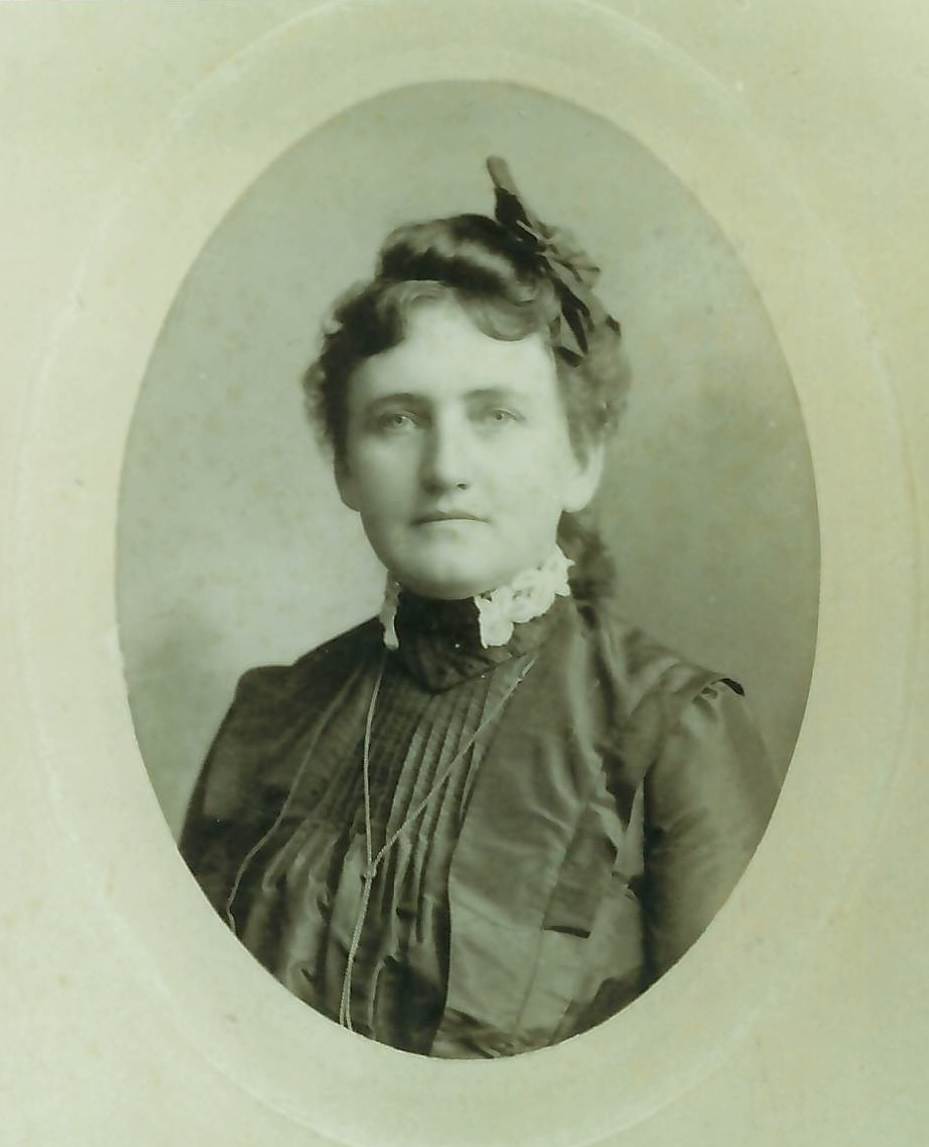
Alvin and Victoria Beaty

When Alvin was married to Victoria Trotter in 1874, the newlyweds visited James and Jasper in Colorado. On the return trip home, Alvin purchased a string of cattle in northern Kansas for his and John’s partnership. A few years later, Alvin and John answered the “call of the west” and came out to the plains, investing in the ranching business with James and Jasper. They then returned to Missouri to get their affairs in order so they could make the move a permanent one. In 1879, the four brothers established the first permanent settlement in Morton County when they acquired land in the Cimarron Valley at Point of Rocks and set up Beaty Brothers Ranch headquarters. This was the principal and most noted ranch in that part of the country, and many trails that led from fort to fort and from trading post to trading post passed the Point of Rocks. At different times, the Beatys had as many as 30,000 head of cattle on their brand.

Alvin was determined to find a place to settle down near the railroad that had a school for his children. He entered a tract of land adjoining the present site of Lakin to the south which contained acreage on both sides of the Arkansas River. While the land north of the river was good loam soil, the land on the south was a little sandy for cultivation but good for pasture. Irrigation was available from two good canals, and Alvin’s new homestead eventually had a grove of shade trees, a large orchard of peach, plum, cherry and apple trees, and highly productive fields of alfalfa. He built a four-room house and made other necessary improvements and brought Mrs. Beaty and their three children – Russell, Ethel and Ralph – to this home in April 1885. Another child, Ida, had died at 18 months of age in Missouri.

Like others, the Beatys suffered heavy losses in the winter of 1885-86. Of thousands of head of cattle turned loose in the fall, only hundreds were gathered the following spring. Undaunted, the brothers kept at work, extended their credit to the utmost, and prospered. When an extensive drought struck in the late 1880s, followed by the nationwide economic depression of the early 90s, the homesteaders who had so eagerly flocked into the new country found they could not make a living. Southwest Kansas was nearly depopulated. Alvin bought up many claims of homesteaders and pre-emptors, acquired tax titles, perfected land titles, and in time came into possession of large tracts of land in Grant, Stanton, Morton and Stevens Counties. Cattle could be driven north from these ranges to the home pasture at Lakin for a rest before being shipped out on the train.

Beaty Brothers disposed of their holdings along the Cimarron in 1898, selling 18,000 acres of land and 12,000 head of cattle. Farming by irrigation had taken a large place in the business of each man as did banking. While James and Jasper were identified with banking in Colorado, Alvin served as president of the Lakin State Bank. In 1905, A.R., John, and Jasper organized the Valley State Bank at Syracuse with some local partners, and all four brothers served as president of that institution successively.

Alvin also became interested in horse raising and dealing, and his Percherons and white-faced cattle became widely known. He also had a penchant for cross-breeding and attempted to cross buffalo with domestic cattle to create a breed known as “cattalo.”  Buffalo occupied corrals near Beaty’s home for many years and several generations of buffalo. When plans for the state buffalo refuge were completed south of Garden City, Beaty’s animals were moved there.

Alvin Beaty kept his buffalo near his home. The animals attracted much attention as did the family’s peacocks.

Victoria, Alvin’s beloved partner in life, died in 1910 and Mr. Beaty in March of 1926. They were laid to rest in the Beaty mausoleum at the Lakin Cemetery. The Vermont granite mausoleum was completed in 1911 and said to be the only one between Wichita and Colorado Springs at that time. When Alvin died, he still owned many thousands of acres of land in Grant County which was then believed to be the largest solid body of land under individual ownership in all of Western Kansas.

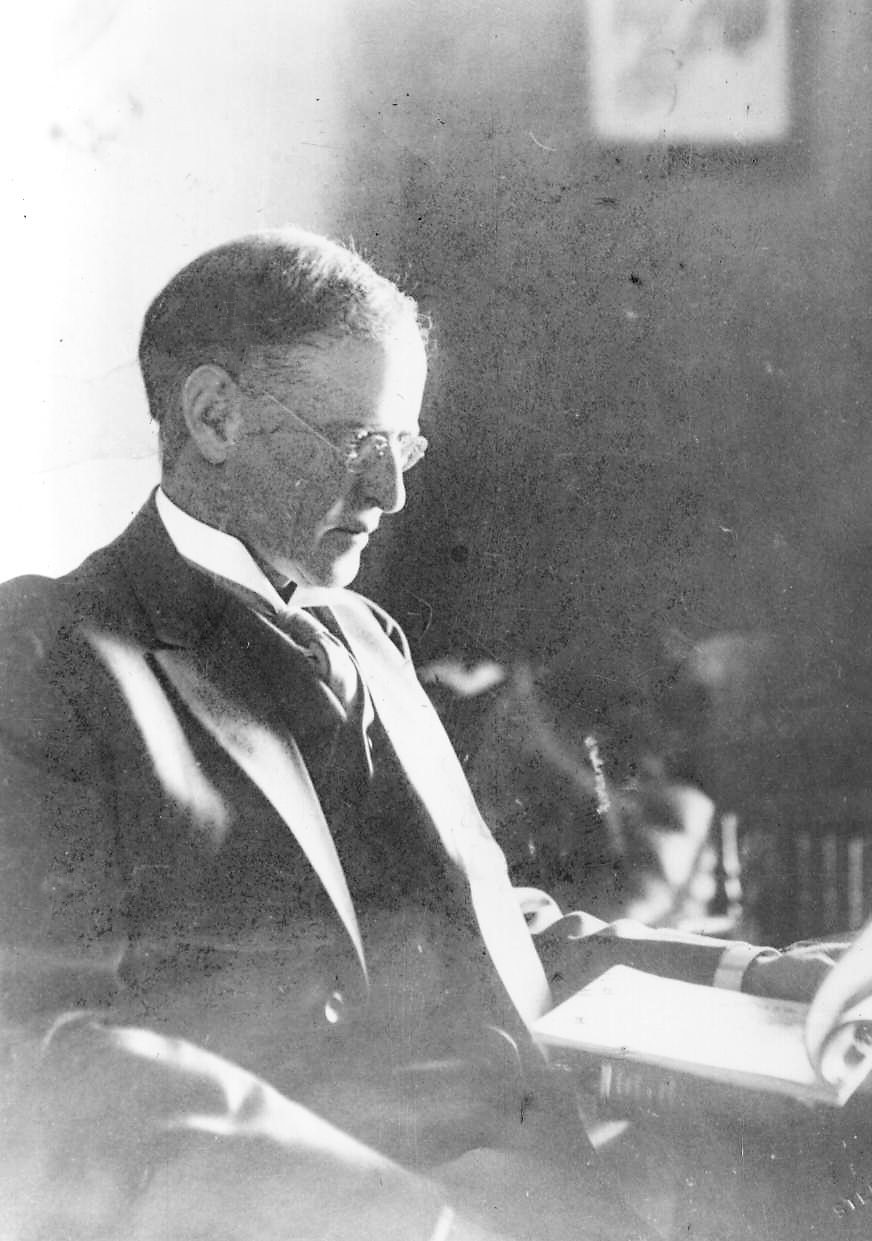
Alvin sitting on the porch of his ranch house just southwest of Lakin in 1919.


SOURCES: Diggin’ Up Bones by Betty Barnes; History of Kearny County Vols. I & II; A Standard History of Kansas and Kansans written and compiled by William E. Connelley; Old Timers News Year book 1976; findagrave; and archives of The Advocate, Syracuse Journal and Lakin Independent.

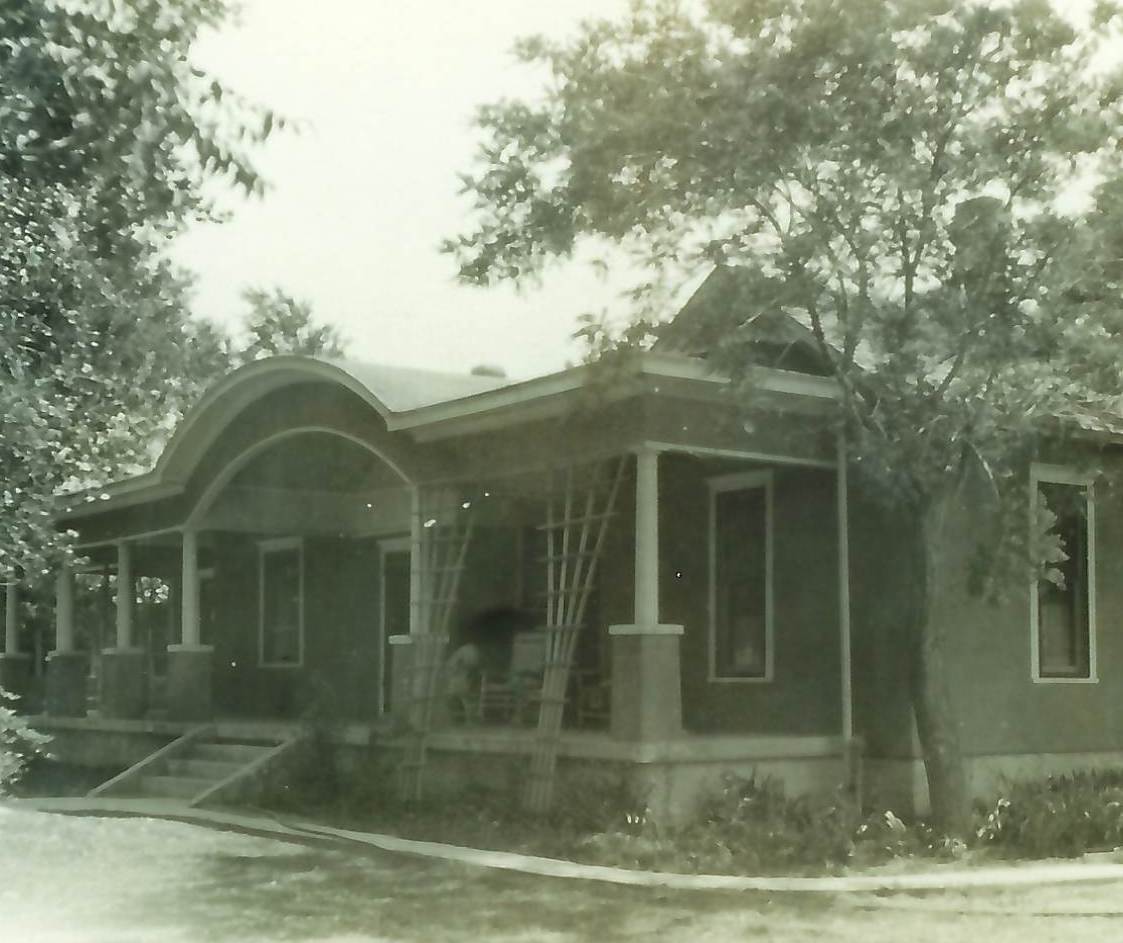
House was once used as a P.R. tool to draw newcomers to Deerfield

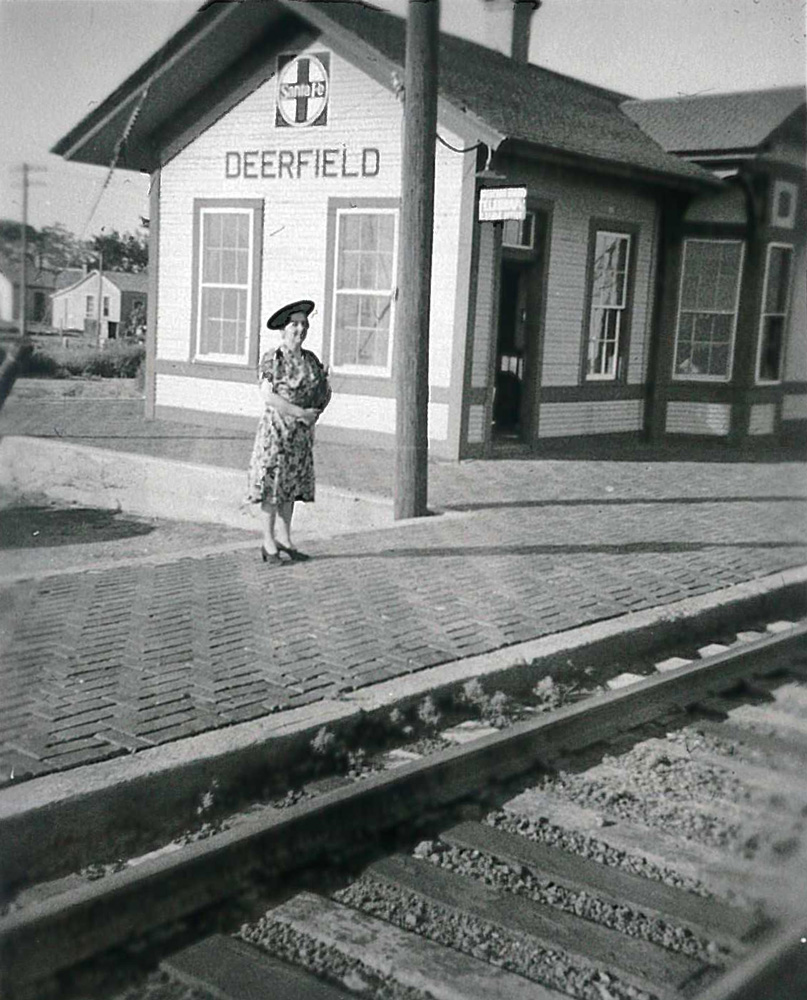
Carl Alonzo Miller left Oneida, Illinois, the place where he was born in 1882, and came to Deerfield in the spring of 1907. The real estate agent’s arrival was perfectly timed. Fueled by the sugar beet industry and all the amenities that came with it, the little village of Deerfield was soon to experience an explosion of growth.

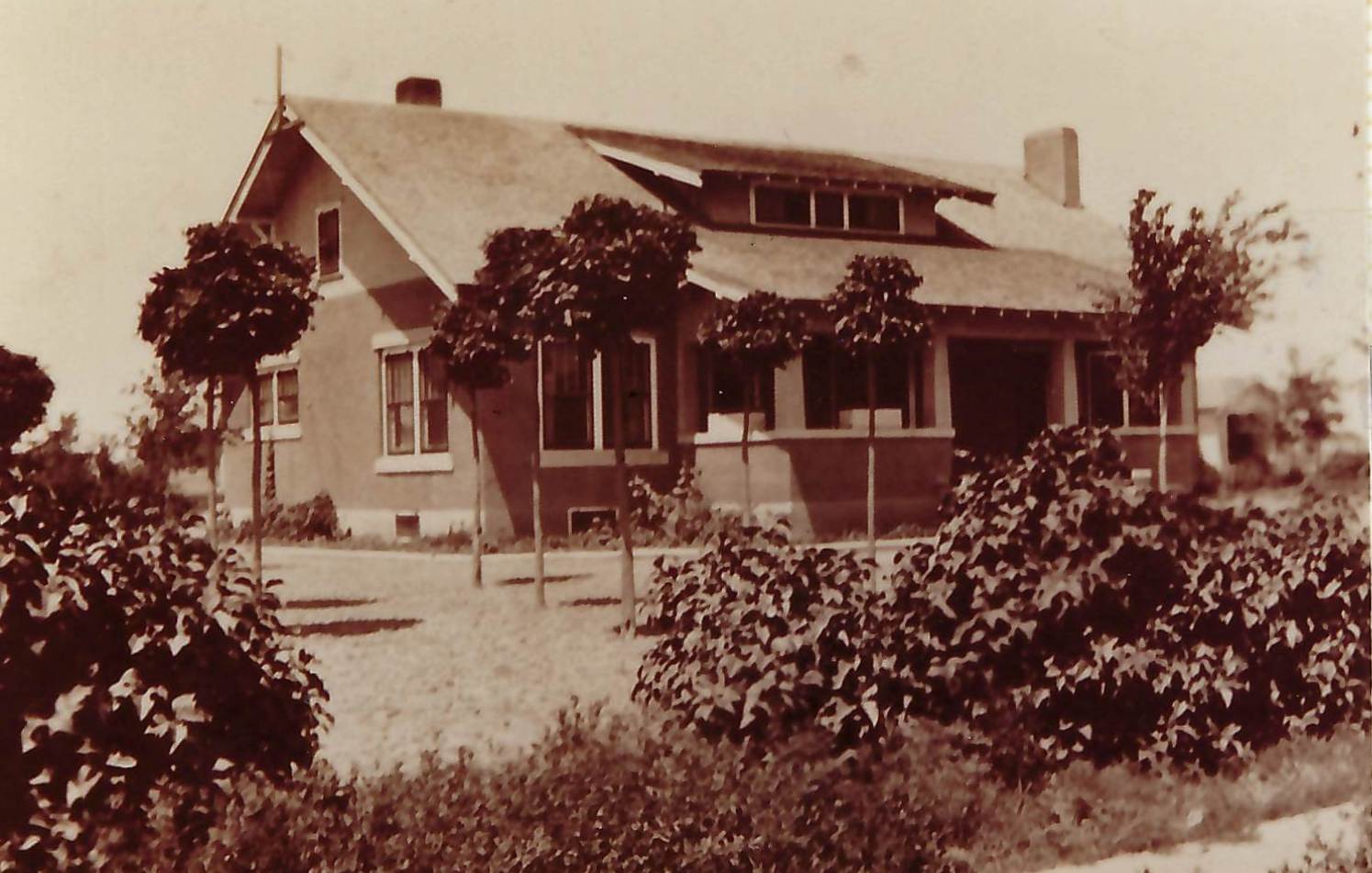
In April of 1907, the Garden City Telegram reported that C.A. had bought a block of ground on Olive Street in Deerfield to erect his residence. Two years later, Miller’s beautifully built and spacious home was pictured in the Hutchinson Gazette as part of a PR pitch to beckon newcomers to the blossoming little burg of Deerfield. A picture of the Deerfield State Bank and write-ups on businesses and businessmen were also included in the campaign. As a partner in The Deerfield Land Co., Miller chauffeured would-be residents around to show them the properties that were for sale and those that had been sold and improved upon. But Miller wasn’t just a real estate agent. He also sold insurance, and crop insurance could be a profitable business in this agricultural community where an overabundance of irrigation water held at nearby Lake McKinney practically ensured the farmers’ success.

Deerfield was in the heart of the United States Sugar and Land Company holdings, and by 1909, papers referred to it as the fastest growing town along the Santa Fe Railroad. That same year, the Deerfield Land company bought two new touring cars as their business had grown to such dimensions that they were “compelled to get machines to show the many land buyers the property which they have for sale.” At least one of the vehicles could usually be found at the railroad station “to meet prospective land buyers and others interested in the Deerfield country.”

Deerfield residents were proud of their community and all the progress that had been made. “The people who live in a town, are, afterall, the town,” proclaimed the Deerfield News. “Alive, wideawake, resourceful and anxious to improve themselves, the people of Deerfield have the capabilities which will enable them to take hold of the advantages that surely are opening before their town.”

And taking hold of the advantages is just what Miller did. In 1908, he became the president of the newly formed Deerfield Telephone Company. C.A. served as vice-president of the Deerfield State Bank, he was elected to the Deerfield City Council, and by 1910, he was selling and renting new and second-hand automobiles as the local Ford agent. He also served as secretary for Deerfield’s Commercial Club and treasurer of the Arkansas Valley Commercial Association of Western Kansas.

In 1912, Miller moved to Garden City with his wife, son and daughter, but C.A. did not severe his ties to Deerfield. He started a land office at Garden City, and The Garden City Telegram reported that nearly every day his car could be seen “spinning between here and Deerfield, where he formerly lived and where much of his real estate and insurance business is still done. But he prefers more metropolitan existence.” Although Miller may have preferred city life, he didn’t forget the friendships he had forged along the way. Both the Garden City and Lakin papers frequently reported on social gatherings between Miller and his Kearny County pals. C.A. also retained his position on the board of directors for the Deerfield State Bank until health caused him to step down. His wife, Mary, then took his place and remained on the board until 1935 when the bank merged with Kearny County Bank. Mr. Miller died in 1936 at his 909 N. Sixth home in Garden City, and his wife passed there in 1947.

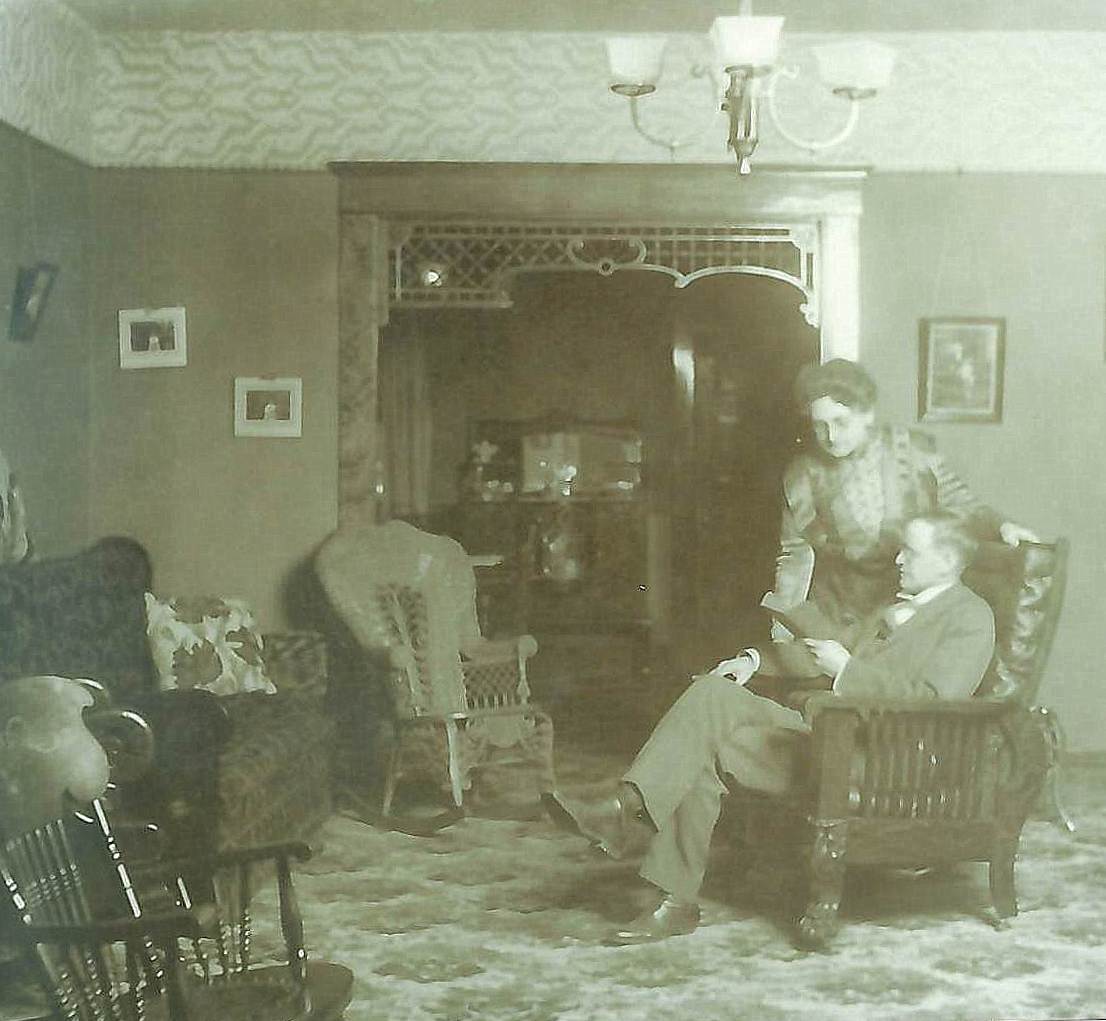
According to Museum archives, Dr. J.B. Watson, his wife and son moved into the Olive Street house after the Millers moved to Garden City. The good doctor built up a very extensive practice in Kearny, Finney and surrounding counties and was considered one of the best surgeons in western Kansas. Marjorie Futhey Streiff recalled that Dr. Watson took her on rounds with him in his horse and buggy when she was a young child recuperating from a bad bout of pneumonia. Watson became very involved in the Deerfield community, headed up the town baseball team and was a generous contributor to the Methodist Church. According to the Kearny County Advocate, “Every man, boy and child really loved him.”

But in March of 1916, the citizens of Deerfield were terribly shocked and grief stricken when they learned that the 39-year-old physician had died after being struck by a car in Chicago. The Rockford Daily Republic reported that heavy gales of wind, accompanied by driving cold rains, were sweeping across Chicago at the time of the accident. Watson, his head lowered, did not see the oncoming vehicle as he crossed the street. The doctor had gone to the Midwest to visit to his only son who was attending school there.

In October of 1917, the widow Watson packed up her belongings and left for Kentucky where she and the doctor had previously lived and where he was buried. Since then, various families have lived in the Olive Street home at Deerfield, a humble abode that was once used as an advertising tool to beckon newcomers to southwest Kansas.


SOURCES: Findagrave; ancestry.com; History of Kearny County Vol. I; Museum archives; and archives of the Hutchinson Gazette, Garden City Herald, Garden City Telegram, Deerfield News, Owensboro Kentucky Messenger, Rockford Daily Republic, Advocate and Lakin Independent.

Many a beverage has been served in this long-standing Lakin building

Before customers were bellying up to the bar at Rosel’s Recreation, they were buying food and necessities at the Equity Exchange. Now known as the Cottonwood Coffeehouse, the building at 108 N. Main in Lakin was built by E.A. Masterson and opened in 1920 as the Equity Exchange with the top story utilized as the American Legion Hall.

Masterson, a local cement man and contractor, kept busy in Lakin in the early 1900s. Not only was he was awarded contracts for putting in culverts, bridges, sidewalks and sewers; he also made cement blocks, created monument stones, and worked on homes and business buildings. In September of 1919, the announcement came that Masterson had the survey made for his 50×100 foot store building on Main Street. He started the foundation soon after.

The February 13, 1920 Independent revealed that “the walls of the E.A. Masterson store building were up to the height of a man’s head and work is being pushed forward as rapidly as possible.” Masterson had made splendid progress on the second story by the time May rolled around, and in June, the Equity Exchange moved their grocery store into “their new home, the Masterson building” and had a very up-to-date room supplied with splendid equipment and plenty of space to expand.

The Lakin Equity Exchange had been organized in late December of 1917 for the purpose of doing a general merchandise business and also buying and selling all farm products. In addition to running a store, the Exchange also had an elevator and coal yard. Stockholders were allowed to purchase no more than two shares of $100 each. For the fiscal year ending June 30, 1920, the gross amount of business tallied up to $76,682.56 with $10,000 worth of stock having been sold.

From fresh fruits and veggies to clothing and shoes, the Equity was generally hailed as a “one stop for all one’s needs.” In December of 1929, the Equity started a closing-out sale after stockholders decided to get out of the mercantile business. Goods were marked down considerably, with everything being sold for cash. The final day of business was Saturday, January 24 of 1930 when a public auction was held to sell the remaining items.

The building stood idle a little over a year until a billiard parlor and barber shop opened there, but Dean Recreation Hall was short-lived. In March of 1932, Fred Dean moved his pool tables and fixtures to Greensburg where he planned to open another pool hall. In January of 1934, brothers Mark and Dan O’Reilly brought in new equipment from Denver and opened the O’Reilly Pleasure Parlor. Six years later, the O’Reilly brothers made the move to Caddoa, Colorado where business was expected to be very good due to the number of men there working on the Caddoa dam (John Martin Dam).

Frank Rosel of Satanta purchased the Lakin billiard hall from the O’Reillys. Known affectionately by friends and family as Deacon or Deke, Rosel was a fixture on Lakin’s Main Street for decades. He was a longtime sports enthusiast and was particularly fond of baseball – he played, umpired and managed teams in Southwest Kansas and Lakin. Rosel was also instrumental in getting lights installed when the ball field was first constructed in Loucks Parks. He ran Rosel’s Recreation up until his unexpected death at the age of 84 from a heart attack in October of 1978. In a May 1979 article, Deke’s son announced that the pool hall would continue to operate in honor of his father. Since then, the building has not only housed pool halls and taverns but also a daycare, quilting shops, carpet store, antique store, eateries and more. To jog the memory, here are a few of those business names: Kisel Recreation, Green Gorilla, The Red Rooster, In Cahoots, Meraki, Wooden Spoon and Jacked Up Barbecue.

Rosel’s Recreation was the longest running business to occupy the building.
The ribbon cutting ceremony for John and Ora Perez’s Green Gorilla daycare in 1997.

In 2021, Lakin High School alumn John White, and his wife, Jenny, opened the Cottonwood Coffeehouse at this location. The couple wanted a place in Lakin where people could gather and enjoy a “cuppa” something. They remodeled the 1920 building and offered up well-crafted drinks and fresh-baked pastries in a spacious but cozy setting. In 2024, Johnny and Enny Teichroeb took over the business. The menu at the local hot spot has expanded, and the Cottonwood’s locally roasted coffee is the perfect complement to their breakfast and lunch items. In addition to catering, the shop regularly offers special “themed” drinks, has hosted special events such as Pie Night, and is often used as a meeting place. Customers may not be able to “belly up to the bar” here anymore, but they can sure get their bellies full of excellent food and tasty beverages.

John and Jenny White inside the Cottonwood Coffeehouse in 2021 when they opened the new business.

SOURCES: Facebook, Museum archives, and archives of the Advocate and Lakin Independent.

Enola Vastine Feldman, poet laureate

Enola Vastine Feldman was a young child when her family moved to a farm northwest of Deerfield, Kansas in the 1920s. She read and re-read the magazines her family subscribed to, and her desire to write was awakened. Enola’s first published work was a poem in “Leghorn World” which yielded her a free 10-year subscription to the magazine. After graduating from Deerfield High School in 1930, she attended Ottawa University and earned a $10 gold piece for winning the short story contest for freshmen. Enola continued to write, and in 1942, she was named Kansas Poet Laureate by the American Poet Laureate Search Committee. Her poetry and short stories garnered her several awards from the Kansas Authors Club through the years. In 1988, Enola received the prestigious J. Donald Coffin Award for her first book, a historical novel entitled “Flame in the Wind.” She would go on to write two more fictional novels, “Long Shadow” and “Purple Rocks.” Enola passed away at her home in Garden City in 2000 at the age of 87. This poem, written by Enola, seems appropriate with our current season and with January 29th marking Kansas Day and our state’s 165th birthday.

Kansas Winter

When the mercury reaches zero and the autumn days are past

And you hear the coyotes yipp’ng like each cry would be their last . . .

And the baying of the hound-dogs so anxious for a run,

You’re scared they may break loose too soon and maybe spoil the fun . . .

Well, then is when a feller keeps a-grinning all the time,

For you feel as bright and husky as a newly-minted dime

As you jump astride Old Rocket … and his hoofs are beating fast

When the mercury reaches zero and the autumn days are past!


There’s something sort of bracing-like about the atmosphere

When the hazy autumn’s over and the days are cold and clear.

Of course, we miss the posies in the pasture and the trees

Are looking kind of barren-like without their rustling leaves,

But the air’s invigorating, and it makes your pulses thrill

At the sights and sounds that greet you from the top of Knobby Hill.

Sure, ‘twould make a startling picture, and I’d paint it if I dast

When the mercury reaches zero and the autumn days are past.


The soft-toned change of color from the blue to fluffy gray

Of clouds that roll up silent over stacks of winter hay . . .

The quiet falling snow flakes that soon cover all in sight

Keeps a feller sort of reverent-like from morning until night.

But when the wind starts howling from the north, you grin and say,

“How about a pair of skates and a lunch packed up today?”

Oh, it sets my heart to beating like a sail against a mast

When the mercury reaches zero and the autumn days are past.


The moon lays down a carpet from the world’s frozen edge

And bids the timid wood-folk leave the shelter of the hedge.

The lake has turned to platinum, smooth and granite-hard.

There’s diamonds in the treetops, and pearls in the yard,

And opals shine with moonstones in a wealth that can’t be spent.

Makes you feel as rich as Croesus if you haven’t got a cent!

Old Mother Nature really has the seasons all out-classed

When the mercury reaches zero and the autumn days are past.


Late at night you bring the buckets of the warm milk from the barns

And set around the kitchen popping corn and swapping yarns.

Your wheat has all been planted, and your women-folks are through

With their canning so there’s nothing but the quilting left to do . . .

I don’t know how to tell it, but if such a thing could be

As Saints a-wanting boarding and they called around on me,

I’d accommodate them proudly, from the first plumb to the last.

When the mercury reaches zero and the autumn days are past.


Local TOPS chapter toppled during Covid

Around 17% to 21% of Americans made losing weight their 2026 New Year’s resolution, but by January 9, many of them had already abandoned their goals. Typically the second Friday in January, Quitter’s Day was coined from fitness app data and is the unofficial day when many people resign from pursuing their weight loss resolution. Perhaps some of these “quitters” could have kept going had they had a network of resources and the fellowship of others who were tackling the same goal.

For more than 75 years, TOPS (Take Off Pounds Sensibly) has helped millions of people to take off and keep off pounds. Founded in 1948 and headquartered in Milwaukee, Wis., TOPS promotes successful weight management with a philosophy that combines healthy eating, regular exercise, wellness education and support from fellow members. According to the organization’s website, the non-profit, non-commercial network of weight-loss support and wellness education groups is all about doing things by the book. “We have strong ties to the medical community and believe in healthy living from the inside out. It’s a holistic approach to wellness. No fad diets. No gimmicks. No shortcuts. With us, it all comes down to accountability, unwavering support and top-tier resources.” Included in those resources are retreats, both in person and through the world wide web, as well as other helpful tips and information through their website and regular chapter meetings.

TOPS was the brainchild of housewife Esther S. Manz. Manz was pregnant with her fifth child and participating in group sessions designed to prepare women for childbirth where she witnessed the power of mutual support in helping women stay within their doctors’ guidelines for pregnancy. She contemplated a weight loss group with a similar philosophy and discussed it with her doctor who encouraged her to follow through with the idea. Championing weight loss support and success, TOPS grew to about 2,500 members in six states by 1951. Manz’s story appeared in LIFE magazine in April that year, and by the year’s end there were chapters in every state and a total membership of over 6,000. By 1955, TOPS had gone international and had given birth to KOPS. (Keep Off Pounds Sensibly)

Tumbleweed TOPS Chapter #278 was organized locally in November of 1967 with 19 charter members. Weekly meetings and weigh-ins were integral to the program. Tips for counting calories, meal plans, activities, guest speakers, and encouragement were keys to its success. Members were rewarded when they lost weight for consecutive periods of time: for example, four weeks of consecutive weight loss earned a charm, 10 weeks earned a bracelet and 12 weeks earned a necklace. Likewise, minimal fines were paid by those who gained weight. In the early years of the organization, the member who gained the most during the week would have a mandatory (but good-natured) penalty imposed such as wearing a “Porky” pig lapel pin for a week. In time, chapters were discouraged from this practice as national leaders felt it hurt the organization’s image and could be embarrassing or misconstrued as demeaning.

Bringing women together with the common cause of losing weight, TOPS created a camaraderie between its members. Contests, picnics, rallies, and coronations were all part of local chapter happenings. Members attended themed State Recognition Days and conventions and met with other TOPS chapters in the area for fun and fellowship. TOPS proved that working together to lose weight could be fun.

Unfortunately, the local TOPS chapter decided to call it quits in 2020 mainly due to the looming threat of Covid-19. According to the late Geneva Williams, a charter member, the seven remaining members were also getting older and getting out and about was becoming difficult for them.

Williams received a 50-year certificate from the national office in 2017. She made many great memories (as well as dresses for Recognition Days) through the years. “The best thing about TOPS was the camaraderie. We always had a good time,” Williams said. Her favorite memory was when Lakin’s Mildred Yager was crowned queen of Kansas for losing the most overall weight in the state.

Williams donated scrapbooks, minutes and other artifacts from the local TOPS chapter to the museum before her passing. These will be put on display when the clubs and organizations section is revised and re-opened to the public.

1968 Standing L-R: Mildred Yager, Peggy Frazer, Martha Guyer, Maude Tate and Tillie Bruner sitting show off their Tumbleweed hats which they wore to the Kansas State TOPS Convention.
Marilyn Vanatta – Area Queen Oct.13, 1970.
Vivien Coerber models her daughter’s wedding dress at the 1970 ARD. In 1982, Coerber was appointed area captain for Kearny, Finney, Hamilton and Grant counties.
In 1991, Mildred Yager was crowned queen for the state of Kansas at the State Recognition Days.
Who are the lovely ladies behind the masks? L-R: Esther Gilbert, Lula Kunze, Marie Urie, Shirley Adams and Carolyn Richmond in their Mardi Gras attire at the 1989 State Recognition Days.

SOURCES: TOPS website, Museum archives and archives of The Lakin Independent.


Back to back blizzards in January 1886 deemed the worst natural disaster in Kansas history

One hundred and forty years ago this month, two great blizzards descended upon Kansas. The first wave began New Year’s Day with heavy snowfalls, high winds and freezing temperatures. It arrived at Dodge City about noon and continued until the early morning hours of January 3. Although little snow accompanied the second blizzard which hit January 6, temperatures plummeted to well below zero with strong winds creating massive snow drifts. The wind combined with the brutally cold air made this one of the coldest periods on record.

Businesses were paralyzed, and passengers were stranded on trains. According to the January 9, 1886 Advocate, snow drifts along the railroad had to be removed with the slow process of pick and shovel. The train that came through Lakin on the 3rd was drawn by three powerful engines and had a snow plow and a large number of laborers who had been “severely worked” clearing the track east of here. Several snow-bound trains stopped at Lakin, and local hotels and restaurants were kept busy. Over 100 people were served breakfast at the Commercial Hotel on January 5th. Following the second storm, there were no trains here for two days. The January 16, 1886, Advocate reported that a call of arms went out to all available Lakin men to work on the snow drifts across the railroad tracks, and quite a number of these men got frostbit on their feet and ears.

An estimated 100 Kansans froze to death. Many of the dwellings on the open prairie had been quickly and cheaply built, and settlers were ill prepared to protect themselves from such cold. According to The Advocate, during the second storm, “the snow that fell the previous Saturday was taken up in one continuous cloud and blown into every crack and crevice of our houses and buildings” and for 24 hours, it was almost impossible to travel just 50 yards without getting bewildered and lost in the blinding snow. The Topeka Daily Capital gave accounts of the most harrowing of the snow stories: people who died within feet of their own homes which were obscured by snow, men and women who froze to death along with their horses, and people whose frostbitten limbs had to be amputated.

One amazing tale of survival involved George Hill and Charlie Nation who lived near Kendall. The twosome had decided to pick up a few dollars by gathering dry bones on the prairie as the weather was nice and the bone market was active. They hitched a team to a wagon with a large box and drove southeast to the vicinity of present-day Ulysses in Grant County where the blizzard came upon them. Realizing they would be unable to face the storm and reach home or other shelter, they did the next best thing. The men unhitched the team and tethered them securely then unloaded the wagon box. They turned it upside down on the ground with themselves and what supplies they had beneath it. George and Charlie remained there for 36 hours. When the storm abated, they emerged, put the box back on the wagon, hitched up the team which had miraculously survived the storm and proceeded homeward, little the worse for their experience.

Hogs being shipped by rail were froze solid as trains sat idle, prevented from moving forward by drifting snow. Animals out in the open with little to graze upon were caught hungry and without shelter. Alex Cross lost his entire herd of sheep, estimated at 1,300 head, at his ranch northeast of Lakin. An era of large, expansive cattle ranches was in full swing, and these businessmen felt the full wrath of the storm. Cattle wandered blindly in the terrific cold and finally dropped exhausted, perishing by the thousands. The Santa Fe Railroad had just completed fencing their right of way with heavy posts and six barbwires on each fence. Dead frozen cattle were piled against this fence on the north side so thick a person could supposedly walk from Dodge City to Deerfield on dead cattle, possibly even to the Colorado line. Some men were hired by the Santa Fe to dispose of the animals, but the task of removing the dead cattle was not an easy one and carcasses could be seen for months to come. That spring, W.H. Stutzman drove his team and wagon from about 25 miles northwest of Halstead to a homestead 15 miles north of Kendall. Later, his wife joined him with their one-year-old baby, coming by way of the Santa Fe. From the train’s windows, Mrs. Stutzman saw thousands of carcasses piled on top of each other in the river and along the north side of the railroad fence.

At Hartland, Nellie Cochran Tipton was safely held up during the blizzard in her grandmother’s unfinished hotel, the Madison House. She later wrote that she would never forget seeing those long-horned cattle crowded around the building for protection. They, too, froze to death piled up.

John Andress had better luck than most ranchers in the area. He and some other men on the south side of the Arkansas River had cut and stacked hay together. Their neighbors laughed at the storing up of feed, but when the blizzards arrived, Andress’ cattle stayed close to his shed. Because they had plenty to eat, all but one of John’s cows survived.

The storms wiped out at least 75% of the cattle population – the most unprecedented loss of livestock ever experienced on the plains. Cattle companies and most ranchers went bankrupt, but there was a silver lining for the hundreds of homesteaders who arrived in the area shortly afterwards. The enormous snows had left the soil soaked with moisture which led to the raising of bountiful, prosperous crops. These homesteaders felt they had reached paradise.

Cattle during the 1886 blizzard on the plains as drawn by Charles Graham from a sketch done by Henry Worrall. Appeared in the February 27, 1886 Harper’s Weekly.
George Hill, shown here, took shelter during the catastrophic storm beneath an upside-down wagon for 36 hours along with Charlie Nation. Both Kendall men lived to tell the tale.
This photo from the Kansas State Historical Society shows a train in Ford County after the blizzard. Elsewhere in western Kansas, a train which had been stopped by the snow froze to the rails. When the track was finally cleared, each car had to be uncoupled and broken loose from the rails one at a time.

SOURCES: History of Kearny Co. Vols. I & II; Kansas State Historical Society; National Weather Service; Hathitrust.org; History.com; and archives of The Advocate.